Advocates urge broader response as residents call for action
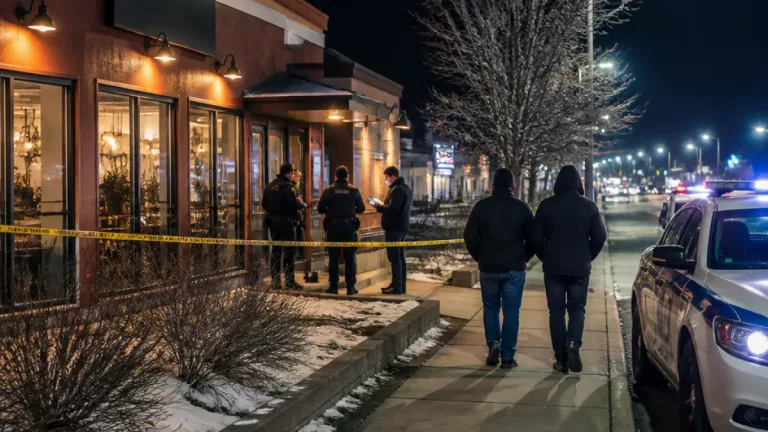
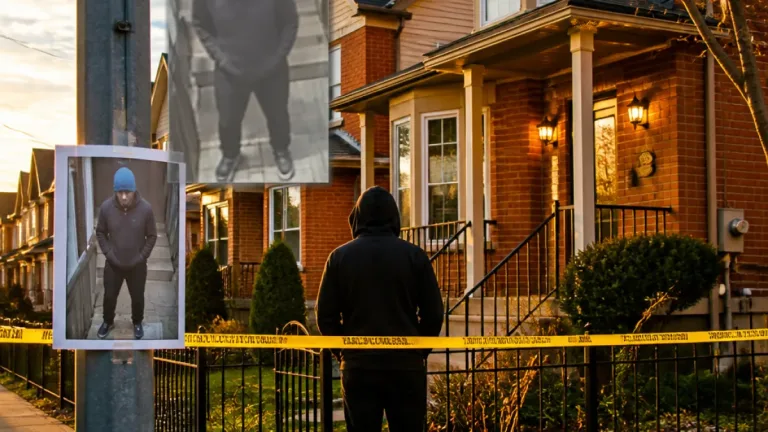
Public frustration over so-called trap houses in St. John’s has intensified in recent weeks, with neighbours reporting disorder, suspected drug activity and violence. While the calls to shut problem addresses are growing louder, a local housing organization says the underlying issue is more complicated than it appears — and demands a coordinated response that goes beyond arrests and closures.
End Homelessness St. John’s has issued a series of explanations outlining how many of these properties are not standalone criminal enterprises, but rather the result of Residential Unit Takeovers — situations in which a tenant’s home is overtaken by others who then use the unit for illegal activity.
“A lot of trap houses actually involve what are known as Residential Unit Takeovers,” said Doug Pawson of End Homelessness St. John’s. He said the situations often involve people who are highly vulnerable to organized crime and the criminal element, “who for one reason or another are unable to not have people come in their homes.”
Pawson said once outsiders gain control, a residence can become a focal point for illegal activity, substance use and violence, leaving the original tenant in a precarious position and the surrounding community on edge.
How takeovers unfold — and why they persist
Residential Unit Takeovers, sometimes shortened to RUTs, are described by the organization as the criminal co-opting of a legitimate tenancy. In these cases, the tenant — often already facing personal or financial challenges — may be coerced, threatened or otherwise unable to keep people from entering and remaining in the home. Over time, the unit can be repurposed for illicit purposes while the named tenant remains on the lease and faces the risk of eviction, loss of housing and personal harm.
The pressure is compounded by a tight rental market in St. John’s, where replacing a lost lease is difficult. As Pawson noted, some tenants hesitate to take steps that could end their tenancy even when they are being exploited, because finding alternative accommodation is so challenging.
What advocates say could help
Pawson pointed to supportive housing as a key part of a solution set. By pairing accommodation with services, outreach and case management, vulnerable renters are less likely to be isolated and more likely to have practical help intervening early.
He said one approach is to help victims of Residential Unit Takeovers access supportive housing, and to make sure tenants know the options available to cancel a lease so that “law enforcement can move in and remove people from the home who are not supposed to be there.”
However, he acknowledged that this pathway is fraught: if ending a lease means losing scarce, stable housing, tenants may delay or avoid it. That tension makes it harder for authorities to step in, even when a unit is clearly being misused by people with no legal right to be there.
What tenants need to know
- Know your options: Advocates stress the importance of clear information on how a tenant can legally end a lease when facing a Residential Unit Takeover.
- Safety first: Tenants facing coercion or violence are urged to seek support and avoid confrontations with people who have taken over their space.
- Supportive pathways: Access to housing with supports can reduce the likelihood of repeat takeovers and provide a safer off-ramp from dangerous situations.
Pawson emphasized that a multi-pronged approach is needed. While policing has a role in removing unauthorized occupants, the longer-term fix includes housing supports and tenant guidance that prevent the cycle from starting again.
Clarifying the terminology
End Homelessness St. John’s is also urging the public to use more precise language. The shorthand “trap house” obscures the reality that many of these addresses are the homes of local tenants whose rights and safety have been undermined. Recognizing the dynamic as a Residential Unit Takeover helps focus attention on both the criminal element and the original occupant, who may be a victim rather than a perpetrator.
| Term | Description |
|---|---|
| Residential Unit Takeover (RUT) | Criminals or associates occupy a tenant’s unit, using it for illicit activity while the tenant remains on the lease and at risk. |
| "Trap house" | Common label for a property associated with drug or criminal activity; in many cases, it is a takeover of a tenant’s home. |
| Supportive housing | Housing paired with services and supports intended to stabilize tenants and reduce vulnerability to exploitation. |
Next steps for St. John’s
The organization’s posts arrive amid growing concern from residents across the city who have reported disruptive addresses on their streets. While shuttering a property may bring short-term relief, advocates argue that the underlying conditions — including tenant vulnerability and the scarcity of secure alternatives — must be addressed or the problem will simply shift elsewhere.
As conversations continue among community groups, landlords, tenants and police, the message from End Homelessness St. John’s is clear: enforcement must be matched with supports and exit strategies for people whose homes have been taken over. Without that balance, Pawson warned, attempts to eliminate so-called trap houses risk pushing the problem from one doorstep to another rather than solving it.