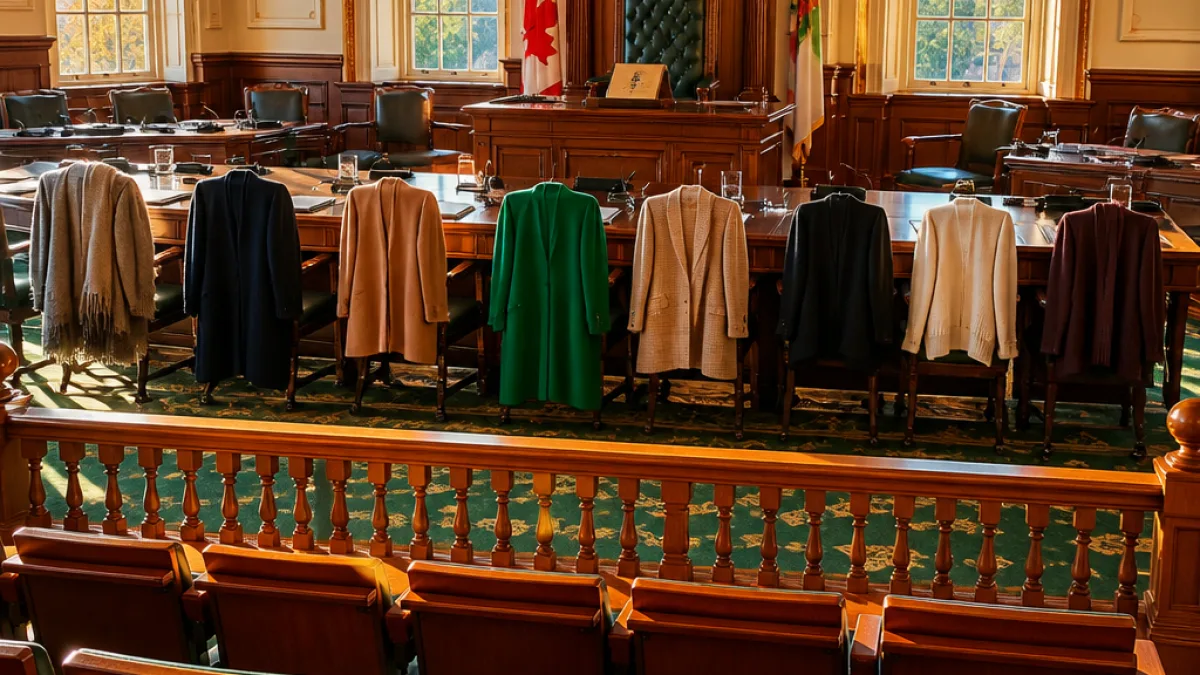
Prince Edward Island has reached a new high for female legislative representation after the Green Party’s win in the District 16 Cornwall–Meadowbank byelection. The result brings the number of women serving as Members of the Legislative Assembly to eight, roughly 30 per cent of seats — the highest proportion in the province’s history.
Why advocates call the milestone important but fragile
Advocates and former politicians welcomed the result as a step forward, while emphasising how fragile the gain is. One seat can change the balance, they note, and achieving representation that reflects the population remains a longer-term challenge.
“It’s a long time coming. It’s fragile — one seat makes the difference — but it also really speaks to potential change as well.”
The comment came from Hannah Bell, interim executive director of the P.E.I. Coalition for Women’s Leadership and a former MLA, who has worked on encouraging women to run for public office. She and others point out that the United Nations often uses a 30 per cent threshold as the minimum for meaningful representation — a milestone the province has now reached.
Historical context and local impact
While the new composition marks progress, the province still has a long history of low female representation. Advocates remind Islanders that, cumulatively, only a small fraction of all elected officials in P.E.I.’s history have been women. That historical gap affects policy debates and decision-making today, they say, and underscores why recruitment, mentorship and support for candidates remain priorities.
- Number of women MLAs now: 8
- Proportion of legislature: ~30%
- Recent event: Green Party win in District 16 Cornwall–Meadowbank
| Measure | Figure |
|---|---|
| Women MLAs | 8 |
| Percentage of seats | ~30% |
Local groups focusing on women's political leadership say the next steps should include reducing barriers to entry such as fundraising challenges, caregiving responsibilities and the informal networks that advantage incumbents. They also stress the importance of building a candidate pipeline and providing practical campaign training.
For everyday Islanders, the shift means more voices with lived experience similar to a significant portion of the electorate. For political parties, it may prompt renewed focus on candidate recruitment and supports to retain and increase female participation at all levels of government.
As the legislature moves forward, observers will be watching whether the increase is sustained through the next general election or if it proves to be a temporary high point. In the meantime, reaching this threshold provides an opportunity for conversation about how to translate representation into lasting change.