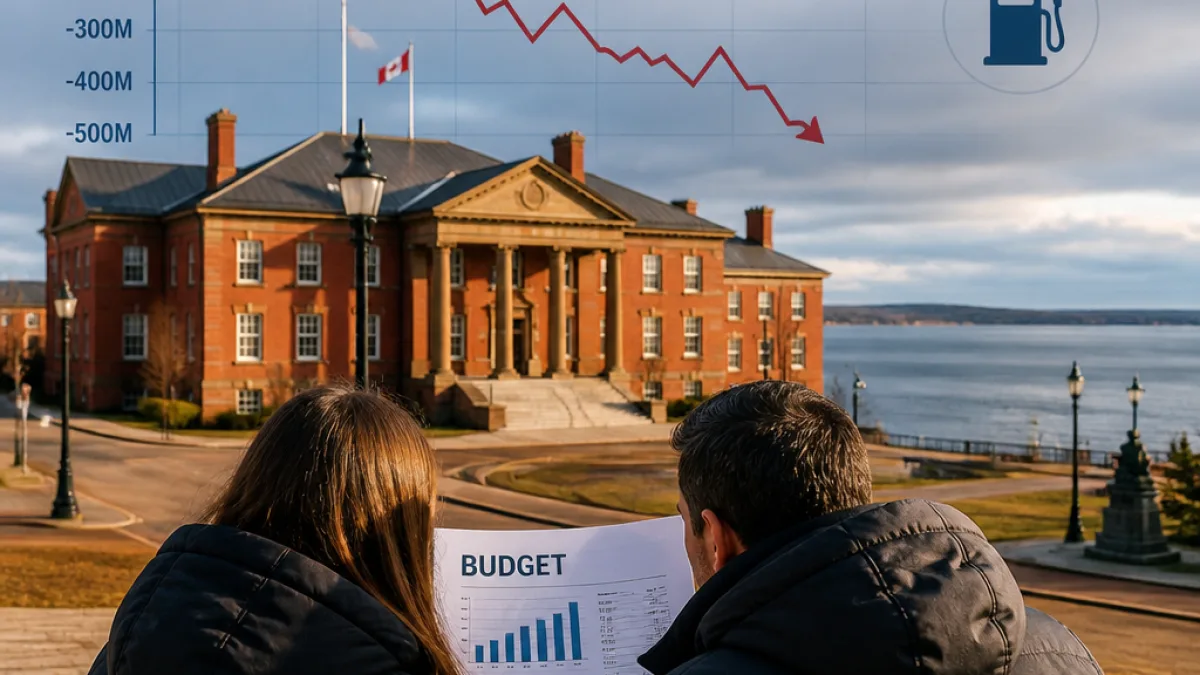
The provincial government is projecting a deficit of $440.4 million for the 2026-27 fiscal year in its first-quarter fiscal and economic update, an increase of $30.5 million from the operating budget presented in April.
Why the deficit grew
Finance and Affordability Minister Jill Burridge told reporters the higher shortfall largely reflects elevated spending in health and social programs and increased costs for diesel and heating fuel. She characterised the outlook as cautious given volatile global conditions.
"The world is very uncertain these days. I think everyone can resonate with that," Burridge said, adding the extra spending goes toward the "nuts and bolts of government service delivery."
Despite the larger deficit, the province expects a slight reduction in net debt compared with spring estimates. Net debt is now projected to fall by $2.7 million by the end of the fiscal year relative to earlier forecasts, the government said in a news release.
Revenue gains easing pressure
Officials highlighted several areas of better-than-expected economic performance that are helping revenues. The update lists improved labour and trade measures alongside stronger retail and construction activity.
- Average monthly employment up about 3% in the first eight months compared with the same period in 2025.
- Labour income growth of 7.1% year-to-date through June, exceeding the budget forecast of 4%.
- Average weekly earnings reported at $1,177, up 5.3%.
- Retail sales growth of 7.1% — roughly $132 million — year-to-date through June.
- International goods exports increased by 6.7%.
- Housing starts rose 24.6%, driven by multi-unit projects; industrial construction jumped 74.4%.
The province said total revenues are expected to increase by $22.9 million, helped in part by federal transfers for housing and HST recovery. "Those improving revenues are certainly a help moving forward," Burridge said.
What this means for Islanders
Higher health and social program spending suggests ongoing pressure on public services. The government framed much of the added outlay as essential operating costs rather than new policy initiatives, and stressed efforts to meet public fiscal targets in future budgets.
| Measure | Year-to-date change |
|---|---|
| Average monthly employment | +3% |
| Labour income | +7.1% |
| Retail sales | +7.1% (~$132M) |
| Housing starts | +24.6% |
The update does not alter the government’s public targets, Burridge said, noting officials will continue to refine forecasts ahead of the next budget. For Islanders, the financial picture means the province will be balancing elevated operating costs with pockets of stronger revenue — a dynamic that may shape program choices and fiscal decisions in the months ahead.