OTTAWA — The leader of the Qalipu First Nation is calling on online marketplace Etsy to reconsider a policy that will prohibit most animal fur products this summer, saying the change would unfairly affect Indigenous artisans and traditional economies in Newfoundland and Labrador.
Chief raises concerns at national assembly
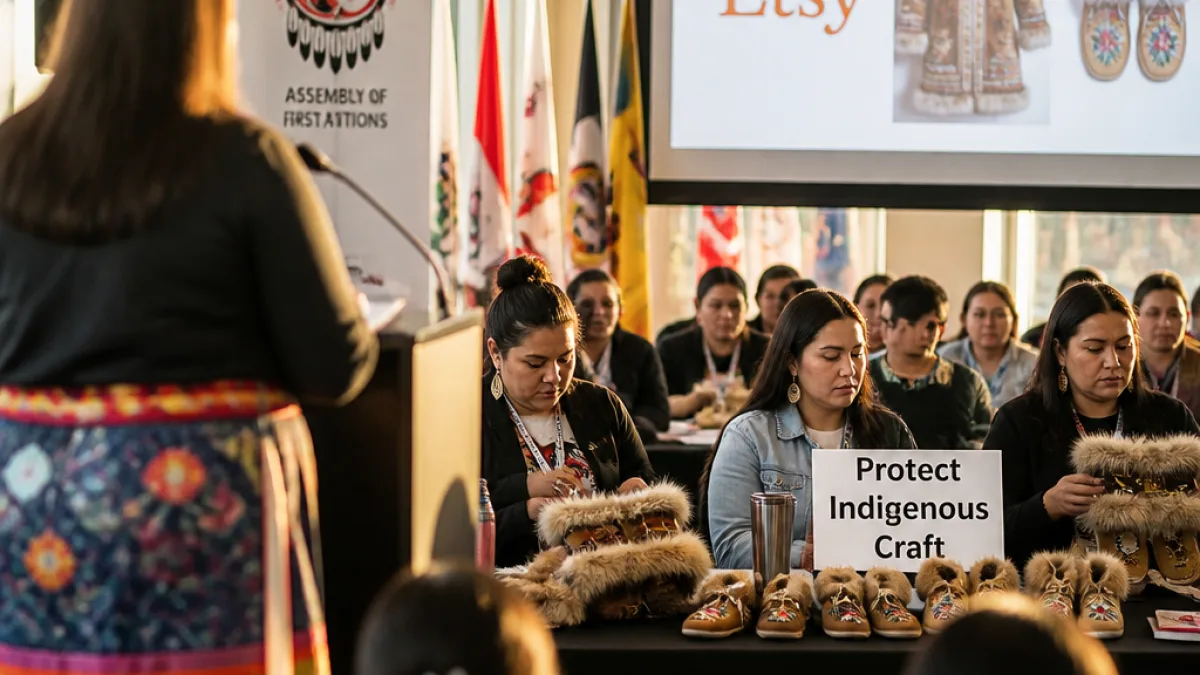
Chief Jenny Brake introduced a resolution at this week's Assembly of First Nations general assembly in Ottawa asking the national organization to press Etsy for a policy reversal. Brake says the prohibition, due to take effect on Aug. 11, would exclude many Indigenous makers who rely on fur as part of cultural practice and trade.
Brake, who has personal experience working as a fur processor in a tannery in her 20s, told reporters she considers the decision to be discriminatory and a setback for what she described as economic reconciliation. She said it is an example of Indigenous communities being excluded from decisions that directly affect them.
"Not just for necessity, but as a part of trade, as a part of our place in the economy and our place in the ecosystem,"
The Assembly of First Nations resolution seeks dialogue with Etsy so the company can better understand how its policy will affect Indigenous livelihoods and traditions.
What Etsy's policy covers
Etsy has posted details on its site indicating it will ban most items made from natural animal fur, regardless of the animal's status or the age and origin of the fur. The company says the ban will not apply to products made from or containing:
- leather
- sheepskin
- cowhide
- wool
- mohair
Etsy also notes an exemption exists for sellers registered with the U.S. Indian Arts and Crafts Board, but the company has not indicated an equivalent exemption for Indigenous producers in Canada.
| Policy element | Details |
|---|---|
| Effective date | Aug. 11 (company-stated) |
| Prohibited | Products made from or containing natural animal fur |
| Allowed | Leather, sheepskin, cowhide, wool, mohair, taxidermy (per company) |
| Exemptions | Sellers registered with the U.S. Indian Arts and Crafts Board |
Local impact and next steps
For Indigenous artisans in Newfoundland and Labrador who produce traditional garments and crafts using fur harvested and processed according to long-standing local practices, the ruling could reduce market access on a high-profile e-commerce platform. Brake said she hopes the Assembly of First Nations will secure a conversation with Etsy so the company can hear directly from those affected.
Etsy did not immediately respond to a request for comment on the concerns raised at the assembly. The company’s public guidance indicates the ban is intended to address animal welfare and conservation concerns, while allowing certain animal byproducts to remain on the platform.
The issue adds to an ongoing debate about how national and multinational corporate policies intersect with Indigenous rights, economic opportunities and cultural practices. Community leaders in the province will be watching to see whether Etsy expands exemptions or engages in consultations that include Canadian Indigenous producers.
For readers: Indigenous artisans who sell or plan to sell on Etsy should review the company’s policy page and consider whether current listings will be affected when the ban takes effect on Aug. 11. Those seeking recourse or advocacy can follow the Assembly of First Nations’ actions or contact their band office for guidance on registration and potential exemptions.