Québec City's historic district is widely recognised for its photogenic skyline and layered history, but the same features that draw visitors also create specific challenges and responsibilities for local authorities charged with maintenance, access and conservation.
Heritage that sits on the edge
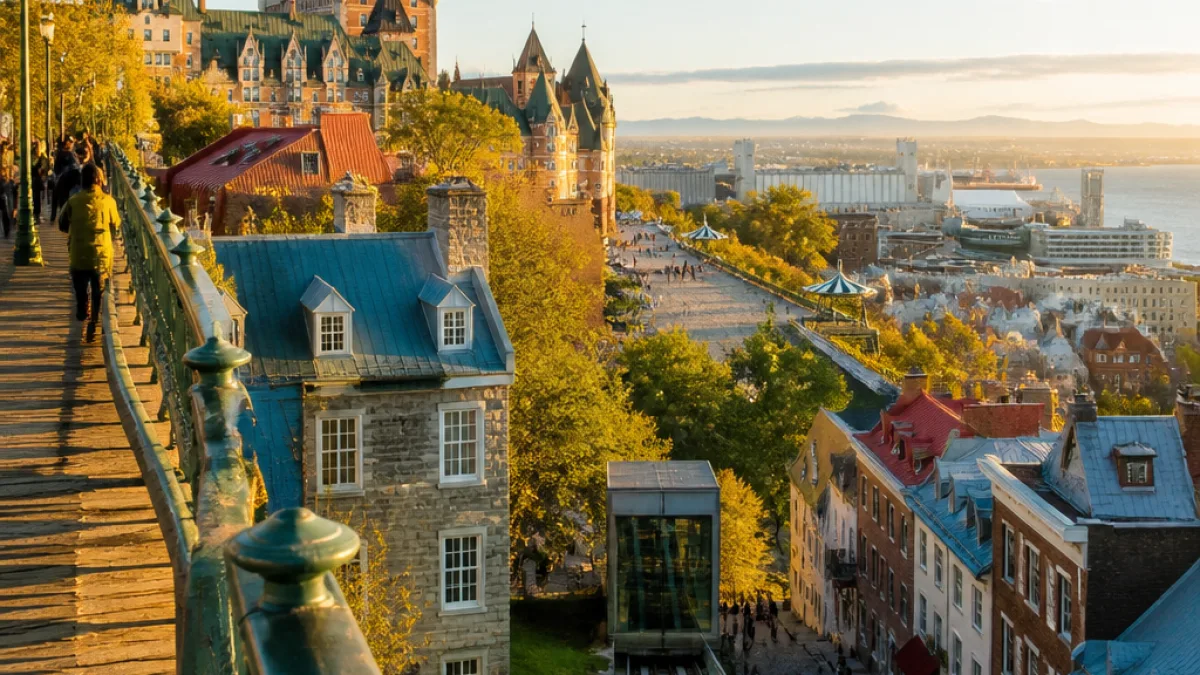
The iconic Chateau Frontenac dominates views across the St. Lawrence and remains a central image of the city. Narrow streets, colourful storefronts and centuries-old façades line the upper town and the lower precincts. These elements are not only tourist attractions; they are built fabric that requires ongoing preservation.
The city's location on a steep promontory — where the St. Lawrence River carved a pronounced valley into the bedrock — shapes how people move and how public works are planned. The topography creates dramatic vistas but also means that connections between levels are often vertical in nature: stairs, terraces and the funicular provide the primary links between the Upper and Lower Towns.
Public infrastructure and visitor flows
The Dufferin Terrace, a boardwalk bolted into the promontory’s side, sits over historical ruins and offers panoramic views. Nearby, the Assemblée nationale du Québec stands just outside the walled core, underscoring how civic functions sit alongside tourism-focused spaces such as hotels with sweeping views.
- Chateau Frontenac — landmark hotel anchoring the skyline.
- Dufferin Terrace — boardwalk overlooking the river and historical remains.
- Funicular and stairways — primary means of moving between elevations.
- Assemble9e nationale du Que9bec — provincial parliament located near the ramparts.
“The dramatic vistas are the product of the area's distinctive topology,”
That topology, while central to the city's appeal, has practical implications. Steep slopes concentrate pedestrian movement on a handful of routes, which increases wear on stairs and terraces and complicates accessibility for people with reduced mobility. The juxtaposition of fragile historic fabric and large visitor numbers means municipal planning must balance conservation, safety and visitor experience.
Conservation, access and municipal priorities
Heritage markers, such as plaques noting UNESCO recognition in parts of the area, underscore the international value of the urban landscape. For city services, that recognition brings obligations: maintenance standards must respect conservation principles while ensuring public safety. This includes the upkeep of masonry, wooden storefronts, railings and the engineered supports that keep promenades like Dufferin Terrace secure.
| Feature | Role |
|---|---|
| Chateau Frontenac | Visual anchor, tourism magnet |
| Dufferin Terrace | Public promenade, built above historic ruins |
| Funicular | Key link between elevations; alternative to stairways |
For residents, these spaces provide daily benefits but also constraints: supply chains, deliveries and everyday mobility must negotiate narrow lanes and elevation changes. For municipal planners and public works crews, the task is to preserve the city's character while adapting infrastructure to contemporary needs — from crowd management during peak tourist seasons to making critical links accessible year-round.
Québec City's old town remains a distinctive public asset. Its preservation and functionality will continue to rely on coordinated decisions by heritage authorities, city engineers and those who use the spaces every day.