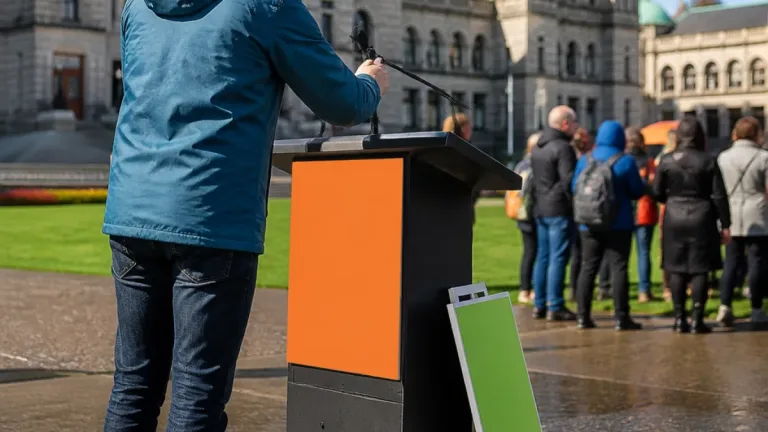
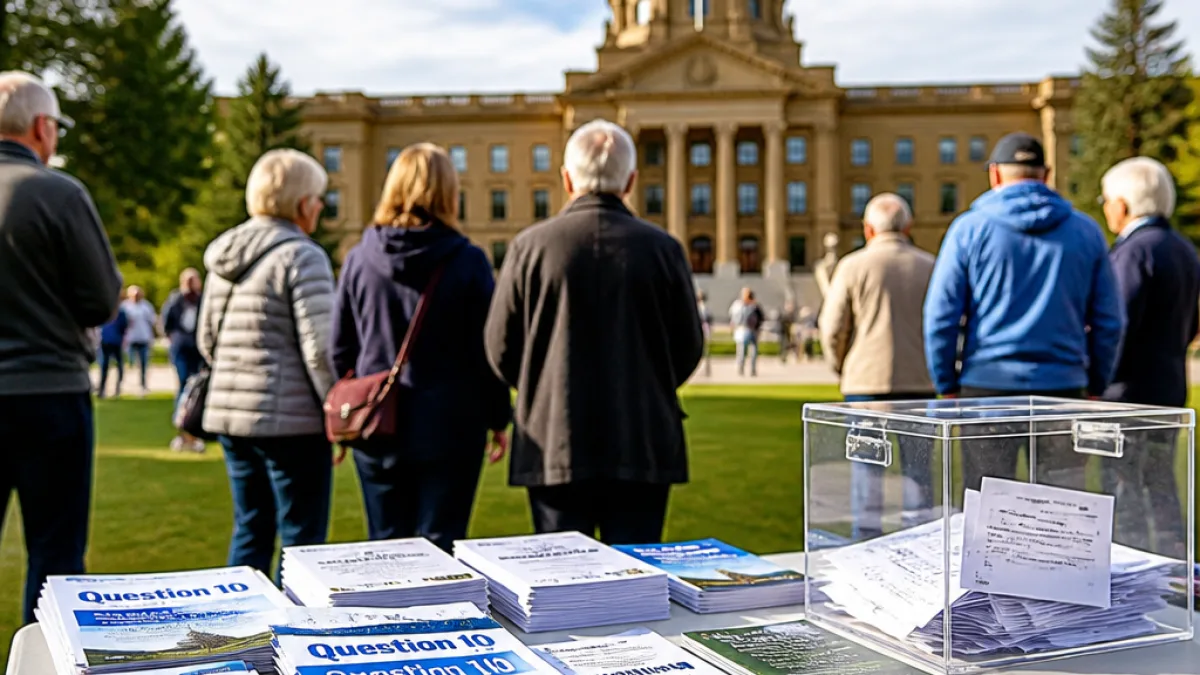
Seniors for Independence, a group of Alberta seniors, has published an outline of arguments urging voters to consider Question 10 in the Oct. 19 referendum and to weigh the option of provincial sovereignty.
What the group is asking Albertans to consider
The organisation frames its appeal around five core questions it says voters should answer honestly before casting a ballot. Those questions focus on economic wellbeing, decision-making authority, fairness of fiscal transfers, the consequence of inaction and the legacy left for future generations.
- Economic progress: Is Alberta better off now than 10 or 20 years ago in financial and opportunity terms?
- Who decides: Should Ottawa or Albertans have the ultimate say over the province's future?
- Fiscal sustainability: If Alberta contributes more than it receives, how long can that continue?
- Consequences of standing still: What occurs if Alberta makes no major change?
- Intergenerational legacy: What type of Alberta will be left for children and grandchildren?
Addressing common concerns among seniors
The group also lays out what it calls misconceptions many seniors hold about separation and attempts to rebut them. Two key points it makes are:
"I'll lose my CPP and OAS"
The group argues that Albertans would not automatically lose Canada Pension Plan (CPP) or Old Age Security (OAS) benefits. It points to Quebec's long-standing provincial pension arrangement and notes that Canadians living abroad continue to receive CPP. The group says an independent Alberta could continue to fund pension and retirement benefits from provincial revenues or by seeking an agreed financial settlement related to Alberta's share of CPP assets.
Another misconception addressed is the idea that separation would require renouncing a Canadian passport. The group notes dual citizenship has been permitted by Canada since 1977 and that acquiring citizenship of another country does not automatically revoke Canadian citizenship.
Local implications and questions for voters
The Seniors for Independence statement is meant to steer debate toward fiscal and democratic control concerns rather than cultural identity alone. It frames sovereignty as a pragmatic response to perceived fiscal imbalance and policymaking from Ottawa.
Voters will need to reconcile several practical considerations as they assess the group’s case: the legal and constitutional processes that would follow any move toward sovereignty; the fiscal calculations needed to determine ongoing pensions and federal transfers; and the political consensus required both within Alberta and at the federal level to alter the country’s structure. Those complexities are not resolved by the group’s questions, but the organisation says asking them is an essential first step.
| Issue raised | Why it matters |
|---|---|
| Fiscal transfers | Affects provincial revenues and public services |
| Pensions and benefits | Directly concerns many seniors’ income security |
| Decision-making authority | Shapes who makes policy on health, education and resources |
The group’s appeal is likely to sharpen conversations in the run-up to the referendum, particularly among older voters who may have concerns about income security and health-care access. Opposition voices and federal officials have, in other contexts, emphasised the legal and economic hurdles of separation, but the Seniors for Independence statement centres its messaging on questions it believes are not being sufficiently debated.
As Albertans move toward the Oct. 19 referendum date, the assertions and questions posed by Seniors for Independence are set to become part of a broader public discussion about the province’s relationship with Ottawa and the long-term economic prospects of Alberta residents.