Construction pace eases in Calgary and Edmonton
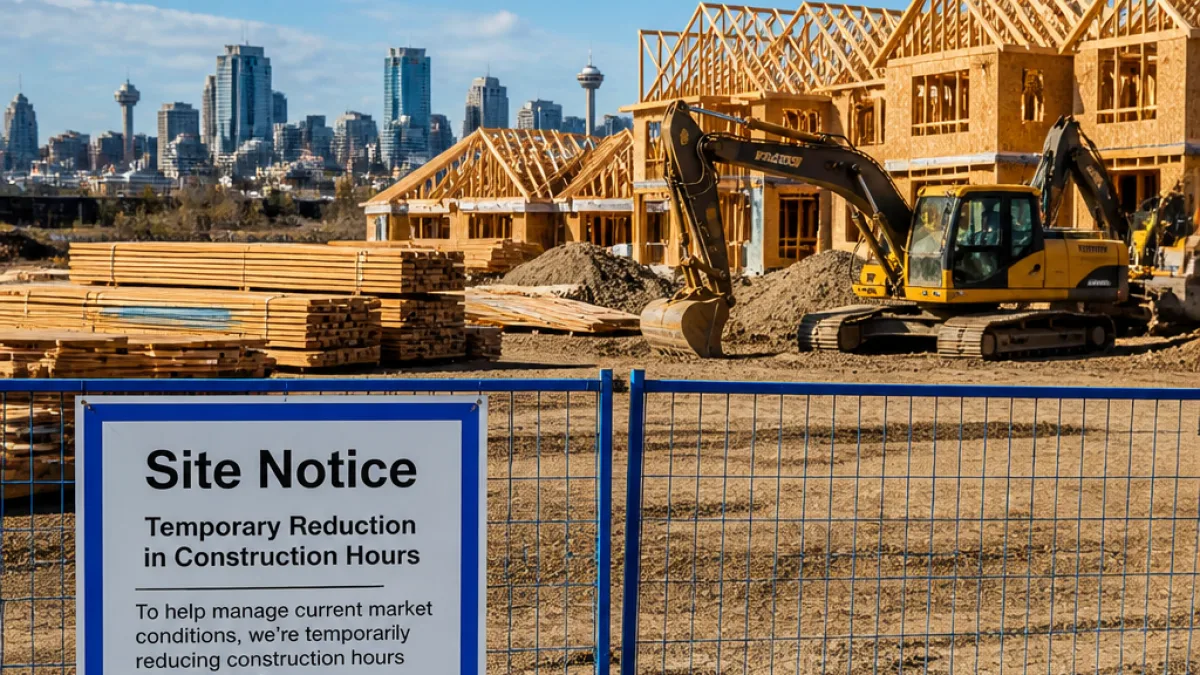
New-home construction in Calgary and Edmonton is slipping from recent peaks, signalling a pause after a rapid stretch of building across Alberta’s two largest cities. While fewer shovels in the ground can raise concern in a tight housing market, a cooler tempo may give the sector space to reset on schedules, costs and staffing before the next cycle.
“Builders are like farmers ... it’s either raining too much or not raining enough. It’s never just the perfect amount of p”
The slowdown follows a period when homebuilding was running hot, driven by strong population growth, shifting buyer preferences and a push to add supply. As activity eases, industry participants say the breather could help reduce backlogs and smooth delivery timelines for projects already underway.
Why a slowdown can be constructive
A measured pullback can reduce pressure points that emerged during the surge. When activity runs ahead of available trades and materials, projects face delays and cost volatility. An interlude allows procurement to catch up and labour to be allocated more efficiently, which can support more predictable build times for purchasers waiting on possession.
- Backlogs: Clearing queues of partially completed homes and site servicing before launching new phases.
- Costs: Stabilizing pricing for materials and transportation after a stretch of elevated demand.
- Labour: Rebalancing crews across sites to improve productivity and safety.
For municipalities, a steadier flow of projects can also help align construction with infrastructure, inspections and permitting, improving the odds that new neighbourhoods receive services on time.
Implications for buyers and renters
For households in Calgary watching both prices and timelines, a cooler building pace can cut two ways. Fewer housing starts may limit near-term supply additions, but improved delivery of already-sold homes can relieve pressure for buyers waiting to move in. Consistency in construction schedules can also reduce temporary housing costs for families bridging moves.
On pricing, a less frenetic pace of starts can temper swings tied to shortages of trades or materials. When builders can plan phases with greater certainty, they tend to price with a longer view, which can lead to fewer mid-build adjustments and more transparent closing timelines for purchasers.
Developers recalibrate project pipelines
Homebuilders routinely adjust release schedules and product mix based on demand, carrying costs and available trades. In Calgary, that can mean prioritizing completion of active phases before advancing additional lots, or shifting toward housing types that can be built more efficiently with current crews. In Edmonton, similar recalibration can help maintain consistency across large master-planned communities and infill projects.
For prospective buyers, the message is to monitor builder communications closely. Sales centres may emphasize move-in–ready or near-complete homes, while new phase launches could be spaced out to keep construction on a sustainable footing.
City planning and regional coordination
Municipal planners in both cities aim to balance growth with transportation, utilities and community amenities. A modest dip in new starts may offer time to advance roadwork, transit connections and school planning in emerging areas. Coordinated timing helps ensure that new residents can access services as homes are delivered, rather than waiting for catch-up investments after occupancy.
As conditions evolve, the core question remains how to preserve momentum on housing availability while avoiding the bottlenecks that accompany overheated building cycles. A tempered construction pace in Calgary and Edmonton suggests builders and cities are taking stock, with an eye to delivering homes more predictably amid continued population growth.