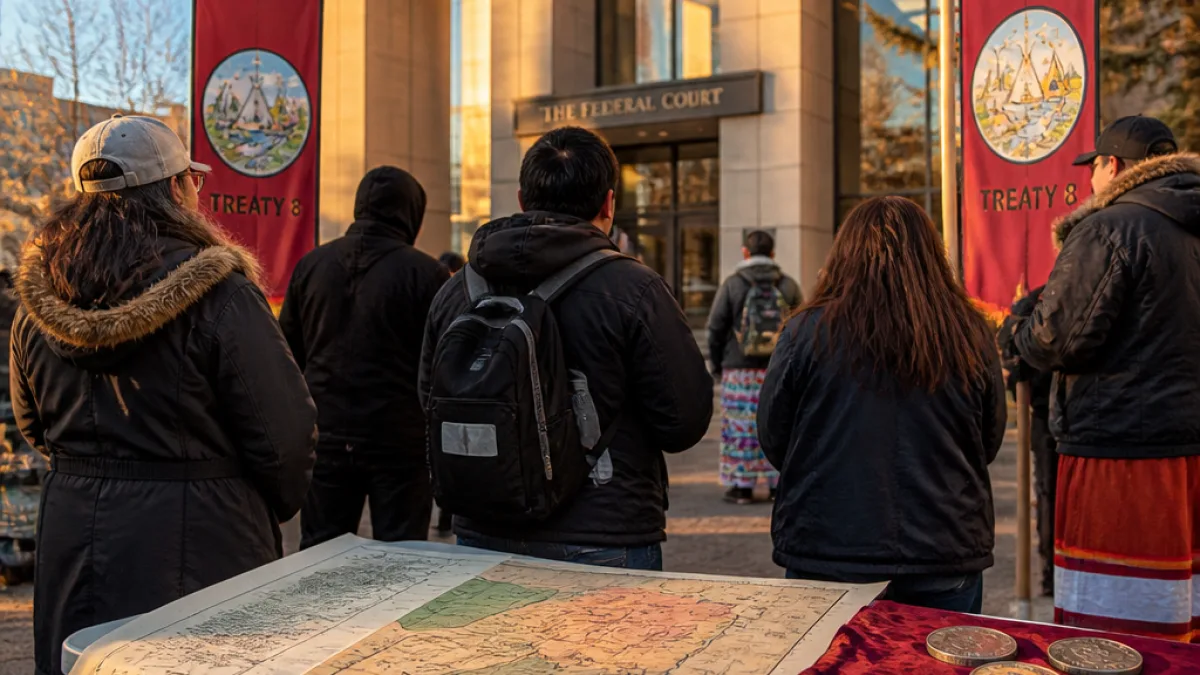
EDMONTON — The Athabasca Chipewyan First Nation has filed a lawsuit against the federal government seeking to increase the annual treaty annuity that members have received for more than a century.
Historical payment under scrutiny
Chief Allan Adam says the sum of the annuity has not kept pace with time. He argues the payment — now valued at $5 per person each year — reflects terms fixed at the signing of Treaty 8 in 1899 and has effectively lost real value across generations.
"the $5 his members receive every year is an amount that's stuck in 1899"
The payments stem from a series of numbered treaties signed across Canada in the late 19th and early 20th centuries. They were intended to provide support to First Nations people as chiefs and their communities transitioned to new relationships with the Crown.
What the litigation could mean
The legal challenge aims to compel Ottawa to revisit the annuity amount or the mechanism by which it is adjusted over time. If the court sides with the Athabasca Chipewyan First Nation, the decision could create precedent for other bands whose treaty payments remain nominal values set at the time of signing.
- Payment at issue: $5 annually per member.
- Treaty: Treaty 8, signed in 1899.
- Potential impact: may prompt other First Nations to seek similar adjustments.
The source material does not specify the legal grounds in detail, the remedies sought, or timelines for the court action. It also does not state whether the federal government has formally responded to the filing.
| Item | Detail |
|---|---|
| Treaty | Treaty 8 |
| Year signed | 1899 |
| Current annuity | $5 per person per year |
Context and local implications
In Alberta, Treaty 8 covers a large area in the province's north and includes several Indigenous communities. Adjusting annuities could have symbolic and material consequences: symbolically by reaffirming expectations that treaty benefits endure in a meaningful way across generations, and materially by affecting band finances and individual members if payments are increased or recalculated.
Legal challenges of this nature can proceed slowly and often require historic records, treaty texts and expert evidence about treaty intent and subsequent treatment. Any court ruling would likely be appealed, potentially taking years to reach final resolution.
At this stage, the Athabasca Chipewyan First Nation's action signals a renewed effort by Indigenous communities to seek judicial acknowledgement of what they say are enduring treaty promises that have diminished in value. The federal government, which negotiates and administers aspects of treaty implementation, has not been quoted in the available material about its response to the filing.
Further reporting will follow as court documents become publicly available and as Ottawa or the First Nation provide additional comment.