
Stamps fall short again at home
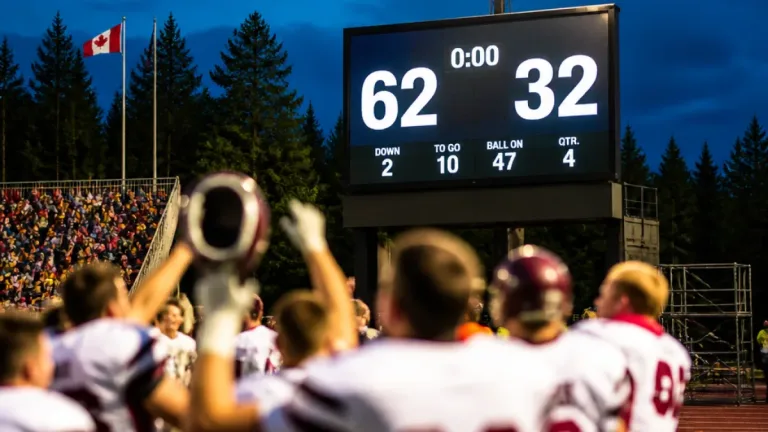
The Calgary Stampeders were within one possession late, but a series of early and mid-game decisions and penalties undercut a comeback in a 38-32 loss to the Montreal Alouettes on a sweltering afternoon at McMahon Stadium. Montreal struck first on the opening drive and, despite multiple late Calgary chances, the visitors left with the points for the second straight meeting between the clubs.
“The final score was 38-32 in favour of the visitors.”
What separated the teams was less about one spectacular moment and more about a handful of small swings that accumulated. Calgary’s special teams and discipline were decisive factors, intersecting with new CFL rouge rules that changed expected field position and erased a potential single point on an early punt.
Special teams gamble backfires in first quarter
Trailing by seven midway through the opening frame, Calgary crossed midfield into plus territory and faced third-and-long-two from the Montreal 49-yard line with a stiff wind at their backs. After taking a time-count flag while trying to draw Montreal offside, the Stampeders opted to punt. The kick sailed and then rolled out the side of the end zone — a result that, under the new rouge standard this year, delivered no single point. An unnecessary roughness call on Kelon Thomas on the same sequence compounded the damage, with Montreal taking over at its own 45. Calgary gained no net advantage from the conservative call; had the Stampeders run or tried a short-yardage sneak and failed, the ball likely would have ended up within a couple of yards of where the Alouettes ultimately started anyway.
In a one-score game, that early exchange mattered. Possessions in enemy territory, particularly against an opponent comfortable in a shootout, must translate into points or control of field position. This one produced neither.
Hard hit, heavy cost in the second quarter
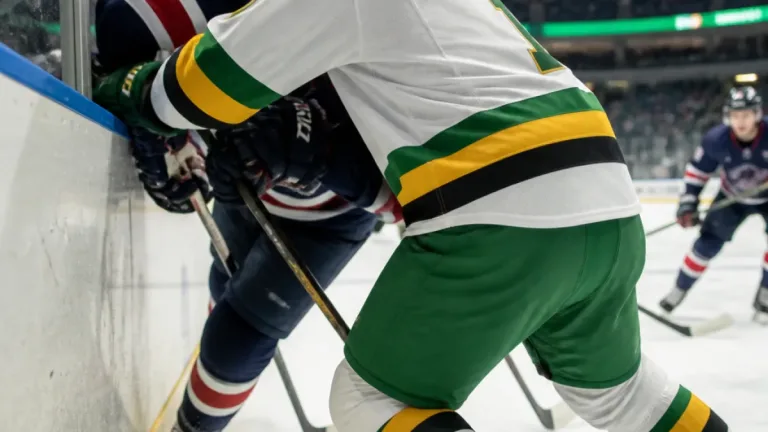
Midway through the second quarter, a thundering sideline collision reverberated across the stadium. Defensive back Benny Sapp III levelled Montreal’s Travis Theis after a 15-yard gain. One official ruled the contact a violent hit to the head, drawing a penalty that extended Montreal’s momentum at a moment when the Stampeders were seeking a stop. Calgary’s defence had already been stressed by Montreal’s opening-drive touchdown; the extra set of downs did little to shift that tide.
The sequence encapsulated a wider theme of the afternoon: aggressive intent undermined by timing and consequence. On a hot day when attrition and special teams could shape the final minutes, Calgary provided Montreal with repeated footholds.
Key moments that tilted the field
While the final minutes again offered Calgary a chance to steal a result, earlier turning points set the terms of the contest. Selected moments include:
- Early special-teams swing: A punt that exited through the side of the end zone produced no single under this season’s rouge rule, then an unnecessary roughness penalty moved possession to Montreal’s 45.
- Defensive penalty after a big hit: The flag on Benny Sapp III following contact on Travis Theis extended an Alouettes drive when Calgary needed a stop.
- Opening-drive deficit: Montreal’s first-possession touchdown put Calgary on the back foot on a day when every possession mattered.
| Time | Quarter | Event |
|---|---|---|
| 9:05 | Q1 | Calgary punts from MTL 49; ball rolls out side of end zone (no rouge); UR penalty places ball at MTL 45 |
| 11:56 | Q2 | Penalty assessed after Benny Sapp III’s hit on Travis Theis, extending Montreal’s drive |
What it means for Calgary
The Stampeders have been within striking distance in back-to-back dates with Montreal, but thin margins keep swinging the other way. The interaction between discipline, game management, and the league’s updated rouge framework is already shaping outcomes around the CFL, and this game offered a clear example. When a long punt to the corner can erase the chance for a single and hand back favourable field position after a penalty, sideline decisions take on greater weight.
For Calgary, the path forward is straightforward, if demanding: translate midfield advances into points, reduce avoidable infractions, and adjust special-teams strategy to the rulebook as it now exists — not as it did a season ago. Those corrections do not require a philosophical overhaul, but they do demand precision in moments that, as Saturday showed, decide games long before the final drive.