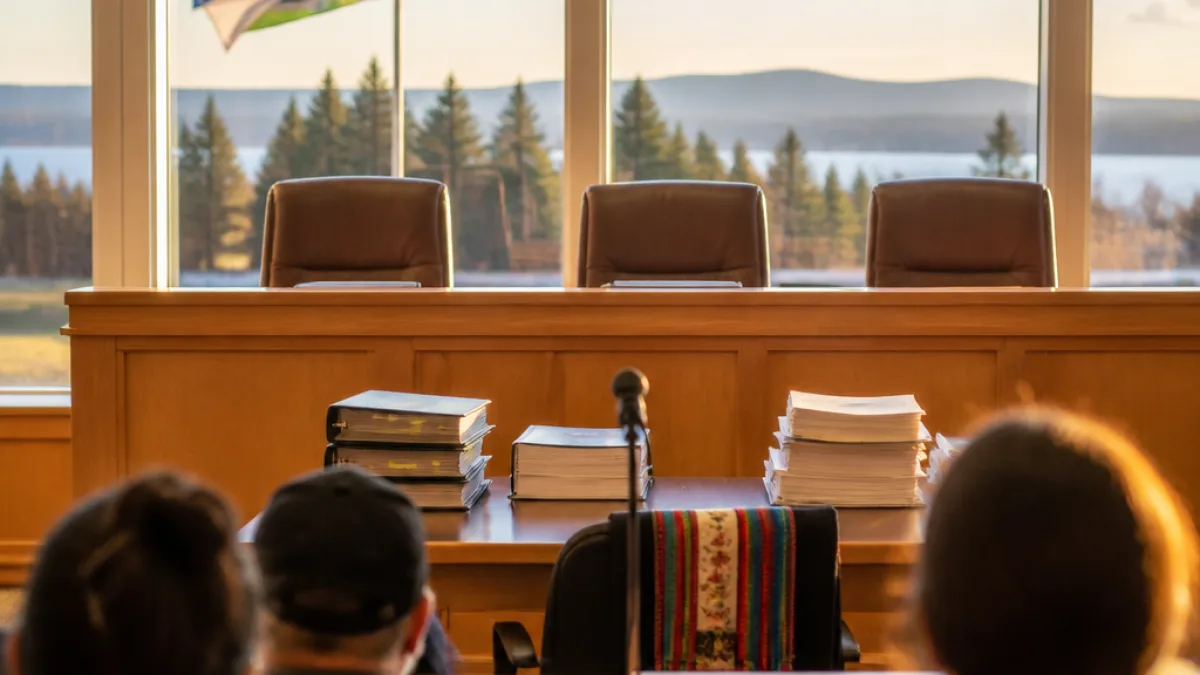
The formal hearings of the public inquiry into the treatment and outcomes of Innu families within Newfoundland and Labrador’s child protection system have concluded in Happy Valley‑Goose Bay, with commissioners now turning to the task of writing their final report.
Final submissions bring emotional testimony to a close
More than four years after the first evidence was heard, the three commissioners overseeing the inquiry will have until October to produce their findings and recommendations. The inquiry heard from a broad range of witnesses: Innu families, elders, social workers, investigators and legal representatives.
The last day of formal hearings was marked by emotional closing submissions. A lawyer representing the people of Sheshatshiu and Natuashish, Jolene Ashini, delivered the final words for the Innu and became visibly moved as she spoke.
"The success of this inquiry will not ultimately be measured by the publication of its report or by the promises made in response. It will be measured by whether Innu children are safer,"
Ashini emphasised that meaningful outcomes are those that ensure Innu children retain their identity, belonging and place within family and community — measures that go beyond the release of a report.
Scope and context of the inquiry
Throughout the hearings, testimony repeatedly traced patterns of harm back to policies that disrupted traditional Innu ways of life. Witnesses described how federal and provincial measures that led to permanent settlement and cultural assimilation contributed to intergenerational trauma. Multiple presenters told the commissioners the province’s child protection system removed Innu children at a rate considerably higher than that for non‑Innu families, a central concern of the inquiry.
- Hearings lasted more than four years from the presentation of first evidence.
- The inquiry convened testimony from a wide cross‑section of affected individuals and professionals.
- Commissioners have until October to draft and release their final report.
What happens next
With the evidentiary phase closed, the commissioners will synthesise the testimony and documentary record into a report that could contain findings of fact, conclusions about systemic problems and recommended reforms. The timeline gives them several months to consider complex issues raised during testimony, including historical policies, child‑welfare practices and cultural impacts on Innu communities.
The inquiry’s conclusions and recommendations may prompt actions by provincial and federal authorities, Indigenous governments and service providers. Those outcomes will be closely watched in Innu communities and across the province for any changes that affect child welfare practices and supports.
| Event | Date |
|---|---|
| First evidence presented | More than four years ago |
| Formal hearings concluded | July 2026 |
| Commissioners' report due | October 2026 |
The end of hearings marks a transition from public testimony to the deliberative work of the commissioners. The province and affected communities now await the report to see whether it will advance the protections and cultural supports Innu leaders and families said are necessary to ensure children grow up safe and rooted in their heritage.