Manitoba’s recent decision to stay on daylight saving time year-round could have measurable effects on road safety, local RCMP say — a key consideration as officials prepare for the first winter without a fall clock change.
Police expect fewer clock-change disruptions
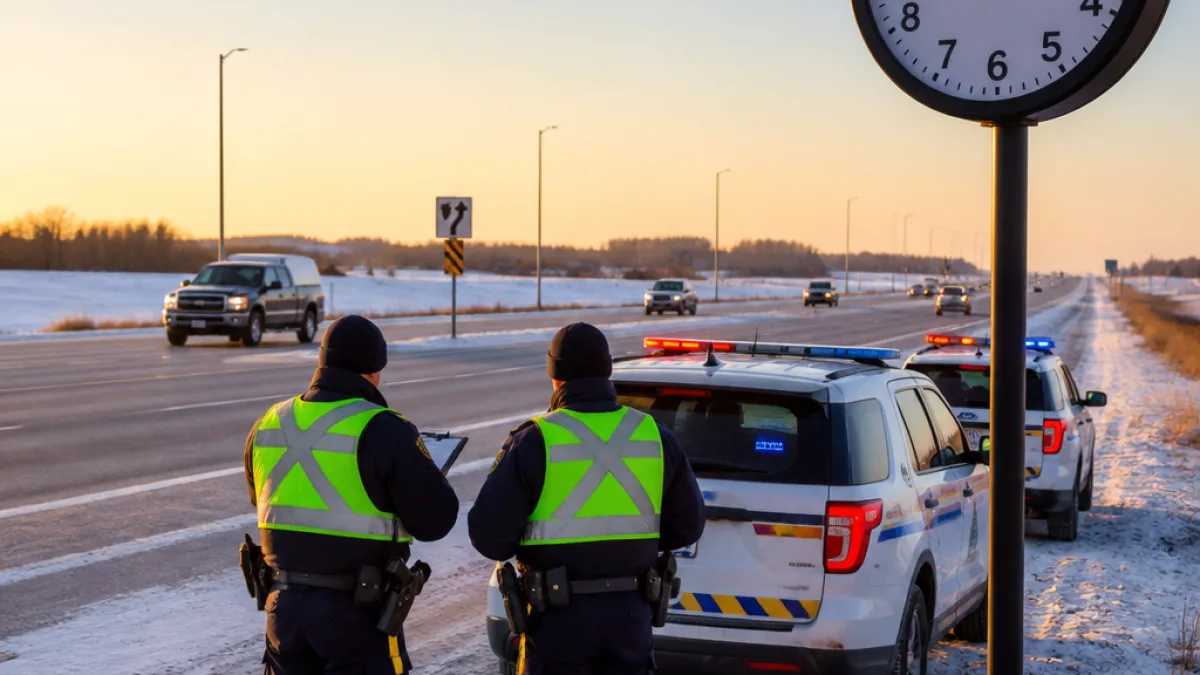
The province announced it will not set clocks back on Nov. 1 and will keep the province on daylight time through the winter. Sgt. Tim Connell of the local RCMP suggested removing the semiannual time adjustment might eliminate a short-term disruption to drivers’ sleep schedules and alertness.
“I think it’s probably a benefit thing not having to change your body clock,”
Connell said investigators will be watching collision statistics closely after the first week without a seasonal time change to see whether any expected reductions materialize. He recommended the force and local agencies compare crash figures following the non-change to previous years.
Previous analysis links clock shifts to collision increases
A Manitoba Health review released in 2026 cited research that connects the spring time change to higher rates of traffic collisions and workplace injuries. The report also referenced Manitoba Public Insurance data showing a 20 per cent rise in collisions on provincial roads in the week after the spring clock change, compared with other Mondays.
| Item | Finding |
|---|---|
| Collision increase after spring change | 20% (MPI data) |
What to watch for locally
Local policing agencies and insurers may track several indicators over the coming months to gauge the effect of the policy change:
- Week-to-week collision counts following the scheduled Nov. 1 clock change date.
- Comparisons of collision severity and time-of-day patterns, including morning and evening peaks.
- Workplace injury reports that historically rose after clock shifts.
While the RCMP’s comments point to potential benefits, they also reflect caution: Connell said it remains to be seen whether removing the fall adjustment will produce a measurable drop in crashes. Observers and agencies will need to examine the data collected this winter to draw firm conclusions.
The change affects the entire province and will alter sunrise and sunset times compared with the previous standard-time schedule. Residents, employers and emergency services are advised to monitor official communications from Manitoba Health, Manitoba Public Insurance and local police for updates on safety monitoring and any guidance tied to the permanent time policy.