Looking back as a new chapter opens
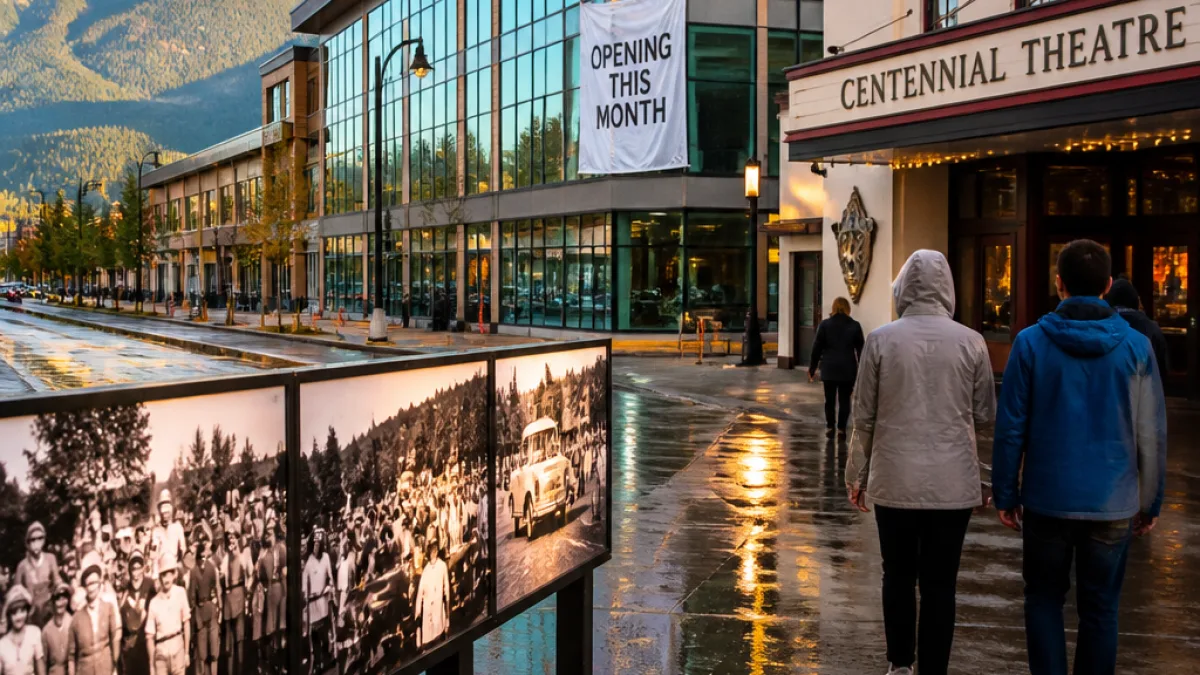
North Vancouver is preparing to mark the arrival of a new recreation centre later this month on the same block where the city first unveiled a landmark complex 60 years ago. That earlier moment — the debut of the North Vancouver Recreation Centre and adjacent Centennial Theatre — unfolded in March 1966 and drew a week of civic celebration.
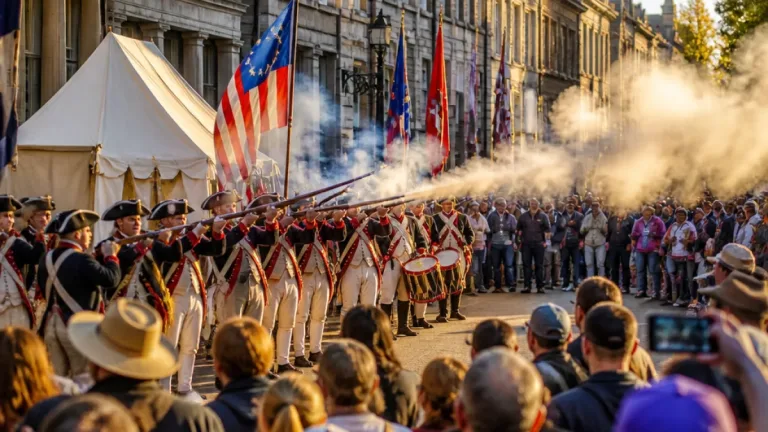
The original opening blended ceremony, sport and culture. Festivities began with a formal ball held in the curling rink, continued with a cadet parade up Lonsdale Avenue, and culminated in a ribbon-cutting led by then–Lieutenant Governor George R. Pearkes. The schedule that followed showcased the city’s growing emphasis on recreation and the arts, with swimming exhibitions, water-safety demonstrations, school and amateur theatre, and a concert appearance by the Vancouver Symphony Orchestra.
“A new rec centre is set to open on the same block in North Vancouver later this month.”
The upcoming opening invites comparisons with 1966, when public space and cultural programming took centre stage. While details of today’s ceremonies have not been released, the historical record underscores how community facilities have long served as anchors for physical activity, youth engagement and performing arts on the North Shore. The parallel timing offers residents a chance to reflect on what these hubs have provided — from swim instruction to stage performances — and what the next generation of amenities might deliver.
How the city celebrated in 1966
- Civic pageantry: A cadet march up Lonsdale preceded an official ribbon-cutting by Lt.-Gov. Pearkes.
- Community sport: Aquatic demonstrations and water-safety displays highlighted new pools and programming.
- Local arts: School and amateur productions shared the stage, capped by the Vancouver Symphony Orchestra.
- Social gathering: The opening week launched with a gala-style ball inside the curling rink.
Those events marked a significant expansion of public infrastructure, pairing a comprehensive recreation facility with a purpose-built theatre. Centennial Theatre remains a familiar venue, while the recreation complex set a template for multi-use public space that subsequent North Shore facilities would follow.
Exploring the record: MONOVA resources
Residents interested in the original opening and the evolution of North Vancouver’s public amenities can consult the collections at MONOVA: Museum of North Vancouver. The museum, located at 115 West Esplanade in the Shipyards district, offers exhibits on local history, including the development of community recreation and culture. MONOVA’s Archives of North Vancouver at 3203 Institute Road in Lynn Valley welcomes drop-ins on Tuesdays and visits by appointment on Monday and Wednesday–Friday from 12:30 p.m. to 4 p.m. Contact: archives@monova.ca.
The museum’s online tools, including the North Shore Culture Compass, can help residents locate heritage sites and cultural venues tied to the city’s recreational and performing-arts legacy — from the Lonsdale corridor to the waterfront district.
What to watch for this month
With the new centre set to open on the same block as the historic facility, attention will be on how programming reflects current needs: aquatics and safety education, access for families and seniors, and space for community arts. North Vancouver’s last major recreation unveiling paired sport with culture; residents will soon see whether the modern rollout echoes that balance.
| 1966 highlights | Community focus |
|---|---|
| Cadet parade on Lonsdale | Civic pride and youth involvement |
| Lt.-Gov. George R. Pearkes ribbon-cutting | Provincial recognition of local investment |
| Swimming and safety demonstrations | Public health and recreation |
| School/amateur plays; VSO performance | Arts access and cultural development |
As North Vancouver prepares for another opening on familiar ground, the 1966 playbook offers a reminder: well-used public spaces are built as much by the communities that gather in them as by the walls that contain them. Archival records can help residents situate the next ceremony within a longer story of civic participation on the North Shore.