Mayor pivots from dissolution to the ballot box
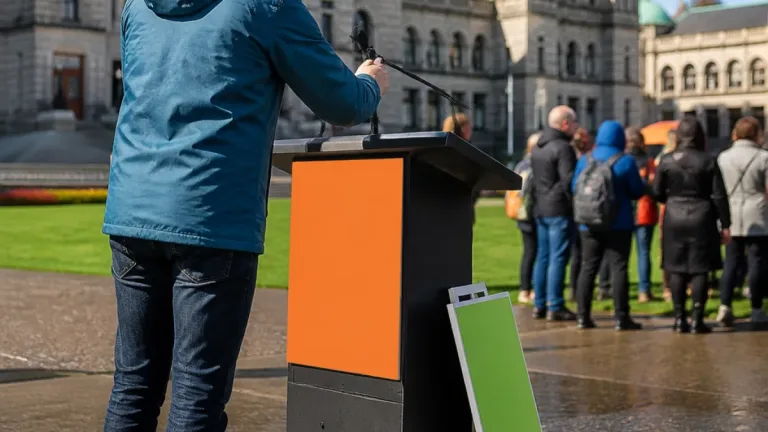
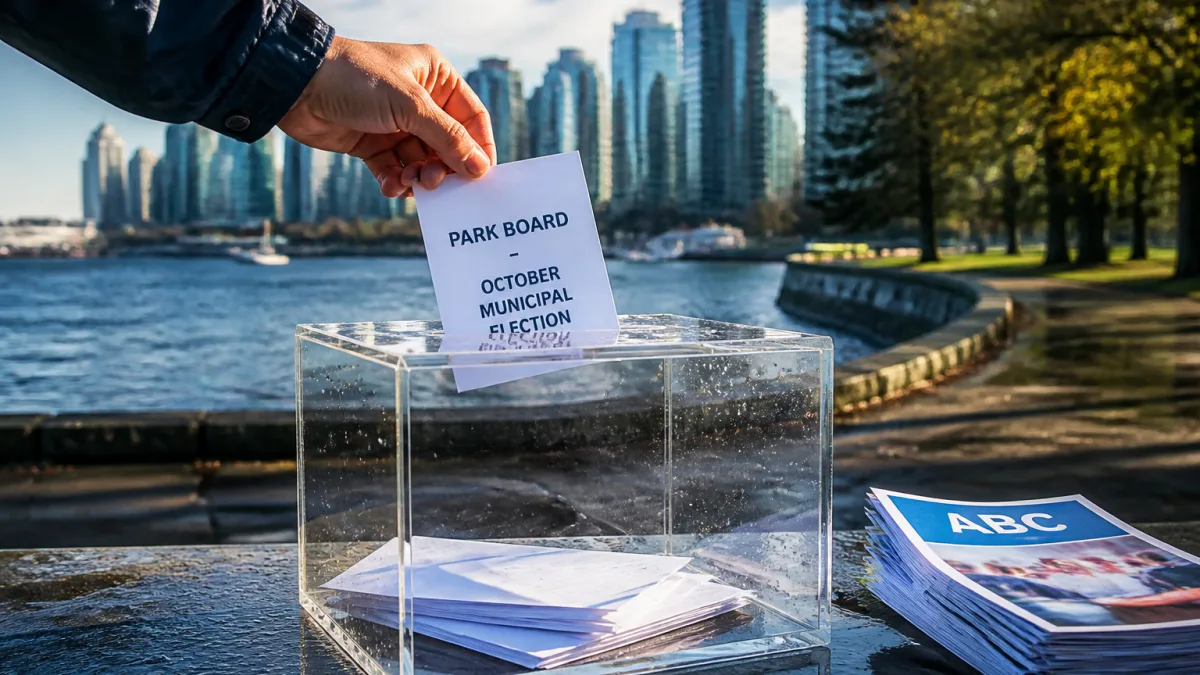
Vancouver Mayor Ken Sim is shelving his bid to eliminate the city’s independently elected Park Board, opting instead to contest its seats in the municipal election set for October. In a statement released Monday, Sim said the ABC party will bring forward a slate aiming to improve delivery of park services, even as he argued the current structure is “simply not working.”
“[The] park board is simply not working,” Sim said, adding that ABC will pursue parks and services that are “affordable and accessible.”
The about-face marks a significant shift from a campaign to fold the Park Board’s functions into city council. In December 2023, a council with an ABC majority voted to seek provincial legislative changes that would allow Vancouver to abolish the board. The province initially responded by tabling a measure that would require a referendum for such a move, before pausing that approach last year while the housing minister said the city needed to do more work with First Nations on the issue.
What changes now for parks governance
Monday’s decision returns the debate over park governance to voters. Rather than pursuing structural change at the Legislature, ABC will compete for control of the Park Board directly. Sim has previously pointed to analysis suggesting that consolidating the Park Board’s responsibilities under council could save taxpayers at least $70 million over the next decade by reducing duplication and streamlining operations. With dissolution off the table for now, any effort to find efficiencies will have to occur within, and in cooperation with, the elected board.
The Park Board oversees Vancouver’s parks network and related services across the city. By committing to run candidates, ABC signals it will seek a mandate to deliver on its priorities through the board’s existing framework. The mayor’s statement underlined a focus on affordability and access, themes that have dominated local discussions about service delivery and fiscal pressure.
Provincial and Indigenous considerations remain
The province’s earlier requirement for a referendum—later put on hold—highlighted that any attempt to reorganize the Park Board system involves more than council alone. The pause tied to consultation with First Nations underscored the need for intergovernmental engagement on city governance changes. While the new plan avoids immediate legislative hurdles, it does not erase the broader context: any future structural proposals would likely return to provincial and Indigenous tables.
For residents, the pivot means the October election becomes the next key moment for direction on parks policy. The ballot will now include candidates offering different visions for how to administer parks and recreation, and how to balance cost control with service delivery. It also places heightened scrutiny on the performance and accountability of both the board and council in coordinating public amenities.
Key developments and timeline
- Strategy shift: ABC will run Park Board candidates this fall instead of pursuing dissolution.
- Provincial stance: An initial plan to require a referendum was paused last year pending further work with First Nations.
- Fiscal claims: Sim has cited a report estimating at least $70 million in potential savings over 10 years from consolidation—savings that now must be sought through existing structures.
| Date | Event |
|---|---|
| December 2023 | Council with ABC majority seeks provincial amendments to allow Park Board dissolution |
| Last year | Province’s referendum requirement put on hold as more work with First Nations is requested |
| Monday | Mayor announces dissolution plan dropped; ABC to field Park Board candidates |
| October | Next municipal election in Vancouver |
What to watch ahead of the election
The central question now is whether an ABC-led board could deliver on the party’s stated goals within the current governance model. With the mayor’s dissolution plan paused, the city’s debate turns to program delivery, capital priorities and partnership with council and the province. Voters will be asked to judge competing approaches to stewardship of green spaces and recreation, as well as the capacity of the Park Board to address concerns about duplication and service gaps.
As the campaign unfolds, residents should expect detailed platforms on affordability, accessibility and efficiency in parks services. After months of uncertainty over the board’s future, Monday’s announcement sets the stage for a decisive contest over how Vancouver’s parks will be governed and funded in the years ahead.