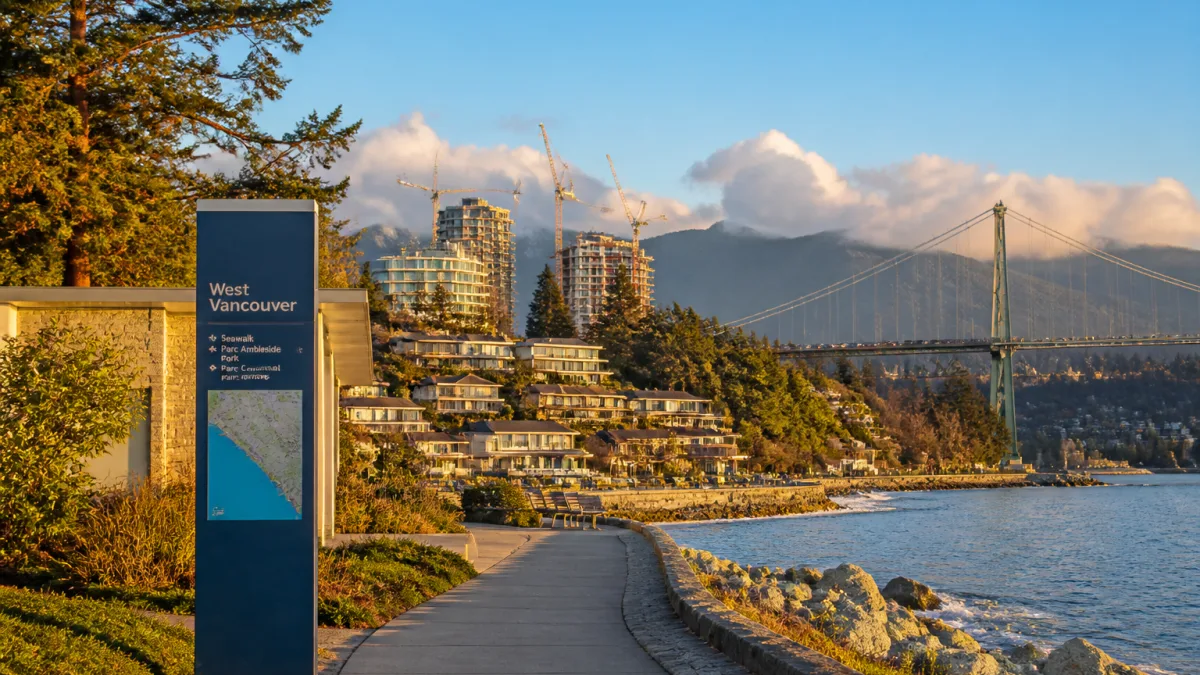
Mayor outlines priorities on growth, amenities and regional links
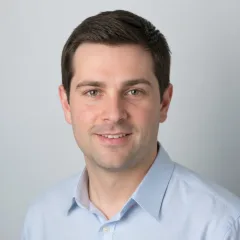
West Vancouver Mayor Mark Sager says the District is working to balance community character with growth as it advances major infrastructure, housing and public space projects. In a recent interview with Parvaz TV and Skyrise Media Society, the mayor pointed to a string of initiatives he says demonstrate progress while underscoring the need for stronger regional partnerships.
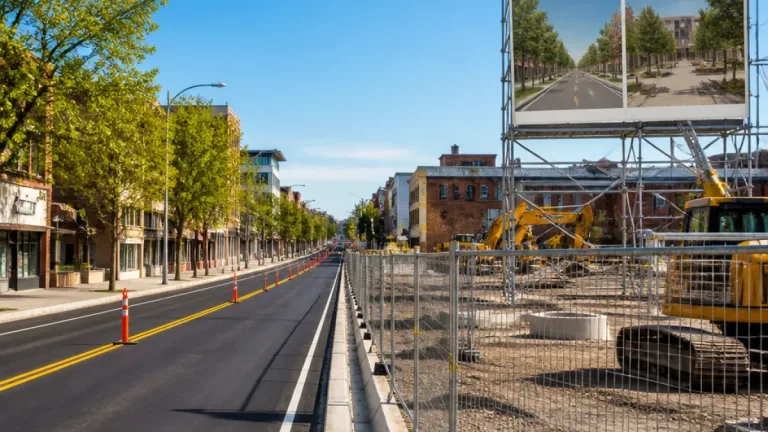
Sager highlighted a decades-long effort to secure continuous public access to the waterfront, the creation of a 3,000‑acre public park through the Cypress Village agreement, and ongoing upgrades to parks, sports amenities and community spaces. He also cited newly approved seniors housing and affordable housing projects as signs that West Vancouver is moving to address local needs.
Housing: flexibility sought under provincial density rules
Housing policy dominated the discussion. While welcoming recent approvals, Sager raised concerns about provincial legislation that increases residential density on single‑family lots. He argued municipalities should retain greater flexibility to shape how and where growth occurs so that neighbourhood character and local circumstances are meaningfully considered in planning decisions.
- Approved seniors and affordable housing projects were cited as examples of local action.
- The mayor called for municipal discretion in implementing provincial density requirements on single‑family properties.
- He framed West Vancouver’s approach as balancing growth with the District’s established urban form.
Transportation: call for renewed investment in Second Narrows replacement
On mobility, Sager welcomed expanded public transit services but pressed for senior‑government investment in replacing the aging Second Narrows Bridge, describing the crossing as critical not only for North Shore residents but the broader Metro Vancouver economy. He positioned the bridge replacement as a regional project that requires coordinated federal and provincial funding commitments, alongside municipal planning for complementary local connections.
Ambleside parking adjustments aim to balance access and business needs
Addressing concerns about paid parking at Ambleside Park, Sager said the District introduced 90 minutes of free parking for visitors and maintained free parking for registered West Vancouver residents. The stated intent is to improve turnover, support nearby businesses, and preserve access to waterfront amenities during peak periods.
| Policy area | Recent action or position |
|---|---|
| Waterfront access | Completion of continuous public access initiative |
| Parks and recreation | Creation of 3,000‑acre park via Cypress Village agreement; ongoing investments |
| Housing | Approvals for seniors and affordable housing; request for flexibility on density rules |
| Transportation | Support for transit expansion; call to replace Second Narrows Bridge |
| Parking policy | 90 minutes free at Ambleside; free parking for registered residents |
Regional funding, inclusivity and environmental stewardship
Sager also identified several forward‑looking files: waterfront redevelopment, environmental stewardship, continued investment in community infrastructure, and a push for more equitable regional wastewater funding. He reaffirmed West Vancouver’s commitment to being an inclusive and welcoming community, emphasizing the contribution of residents and visitors from diverse backgrounds to the municipality’s quality of life.
While the interview did not include timelines or cost figures, the themes underscore the District’s current posture: pursue growth where it meets local needs, protect public access and natural assets, and seek partnerships beyond municipal borders for big‑ticket transportation and utility projects. For West Vancouver households and businesses, the near‑term impacts are most immediately felt in parking changes at Ambleside, evolving rules tied to provincial housing legislation, and the District’s continued spending on parks and community spaces. The larger items—like a Second Narrows Bridge replacement and wastewater funding reforms—will depend on decisions from senior governments and regional agencies in the months and years ahead.