Mayor pitches balance between growth and character
West Vancouver is attempting to thread a careful line between adding homes and services and protecting the municipality’s distinct coastal setting, Mayor Mark Sager said in a recent media interview. He cited a slate of council actions meant to expand public access, add parks, and move projects forward while keeping neighbourhood form and local identity at the forefront.
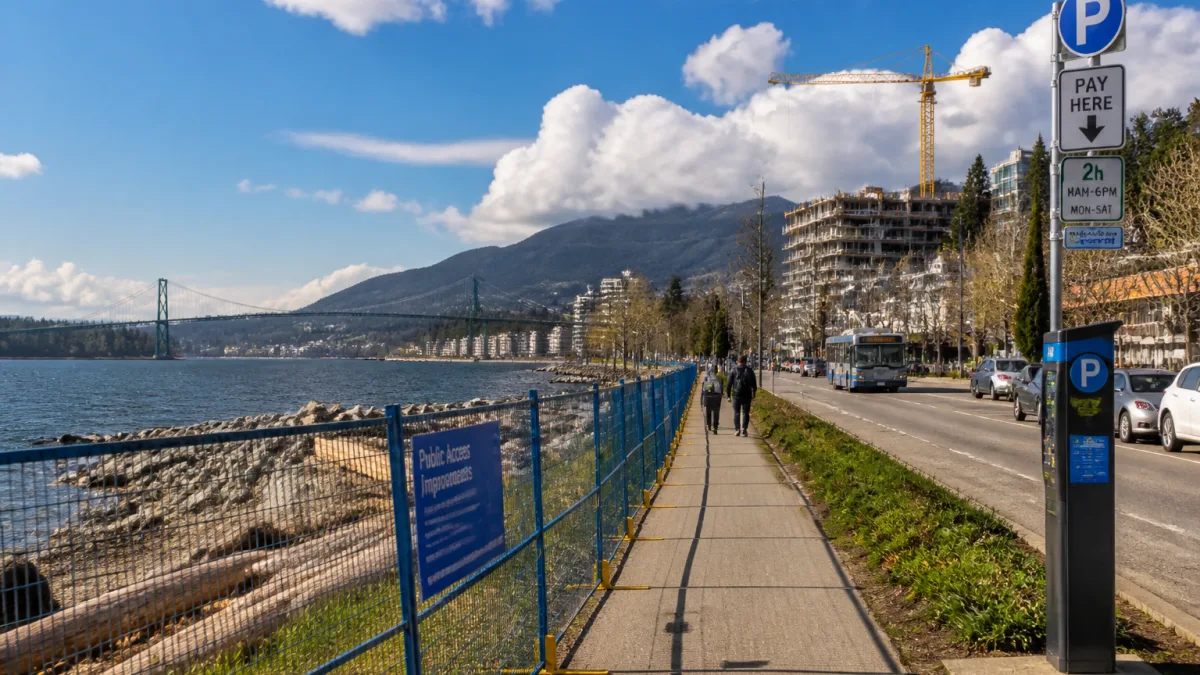
Sager pointed to work completed to secure continuous public access along the waterfront and an agreement creating a 3,000‑acre public park tied to Cypress Village planning. He also highlighted new and upgraded recreational spaces and continuing investments in parks, sports amenities and community gathering areas. Housing, he said, remains central to the file, with seniors and affordable homes recently approved as indicators of tangible progress.
Housing pressures and provincial rules
The mayor acknowledged provincial housing legislation now requires added residential density on single‑family lots. While noting the need to address supply and affordability, he argued municipalities should retain flexibility to determine how growth fits in with local streetscapes and services. That tension—meeting regional targets while safeguarding local character—remains a defining feature of the District’s approach.
- Approved projects: seniors and affordable housing cited as moving ahead locally.
- Municipal role: district seeking room to apply density in ways that match existing neighbourhoods.
- Public realm: waterfront access and new recreation investments positioned as community benefits alongside growth.
Transportation and the regional spine
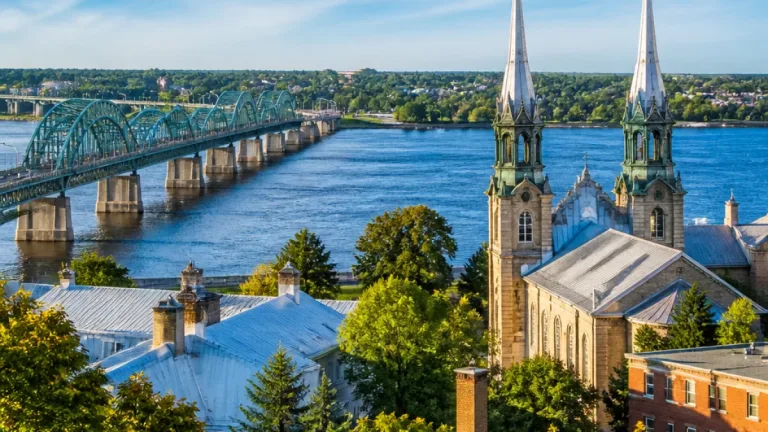
On mobility, Sager welcomed steps to expand public transit service but said broader connectivity requires renewed federal and provincial investment. He underscored the need to replace the aging Second Narrows Bridge, characterizing it as a pivotal asset for travellers and goods movement across Metro Vancouver. While no timeline or funding commitments were detailed, the call for higher‑order investment suggests West Vancouver is pressing for a seat at regional tables as plans coalesce.
Parking policy adjustments at Ambleside
Responding to public concerns about paid parking at Ambleside Park, the District has introduced 90 minutes of free parking for visitors and maintained free parking for registered West Vancouver residents, according to the mayor. The changes are framed as a way to uphold access to the waterfront, relieve pressure on local streets, and support nearby businesses that depend on reliable short‑stay turnover, especially during busy months.
| Initiative | Detail | Intended Outcome |
|---|---|---|
| Waterfront access | Continuous public access secured | Shoreline connectivity and amenities |
| Cypress Village park | 3,000‑acre public park via agreement | Long‑term conservation and recreation |
| Housing approvals | Seniors and affordable projects cited | Address local needs and diversity of housing |
| Ambleside parking | 90 minutes free for visitors; free for registered residents | Access, business support, turnover |
| Regional transport | Call to replace Second Narrows Bridge | Reliability for Metro Vancouver movement |
Equity, inclusion and funding fairness
Sager reiterated that West Vancouver aims to be inclusive and welcoming, emphasizing that residents and visitors from diverse backgrounds contribute to community life. He also flagged the need for fairer regional wastewater funding, signalling that inter‑municipal cost sharing will be a continuing point of advocacy as infrastructure ages and standards evolve.
The mayor’s forward look included priorities around waterfront redevelopment, environmental stewardship and steady investment in community facilities. While timelines and budgets were not specified in the interview, the focus on regional partnerships hints at a broader push to align local projects with national and provincial programs, particularly for transportation and utilities that cross municipal boundaries.
What it means for residents
For households and businesses, the agenda maps onto familiar daily concerns: shoreline access, park capacity, the pace and form of housing, and how people and goods move to and from the North Shore. Residents can expect continued debate over the shape of density in established neighbourhoods, alongside efforts to translate provincial housing directives into on‑the‑ground projects. At the same time, the municipality is signalling it will lobby senior governments to tackle chokepoints—especially the Second Narrows Bridge—that affect commute times, emergency response and economic resilience well beyond municipal borders.