Charlottetown invites residents to help map city wildlife
The City of Charlottetown, in partnership with Nature P.E.I., has kicked off a month-long community science effort known as a BioBlitz. Islanders are being asked to head outdoors, notice what’s living around them, and upload photos or audio of plants, insects, fungi and animals to iNaturalist, a global platform that helps identify species and builds a shared biodiversity record.
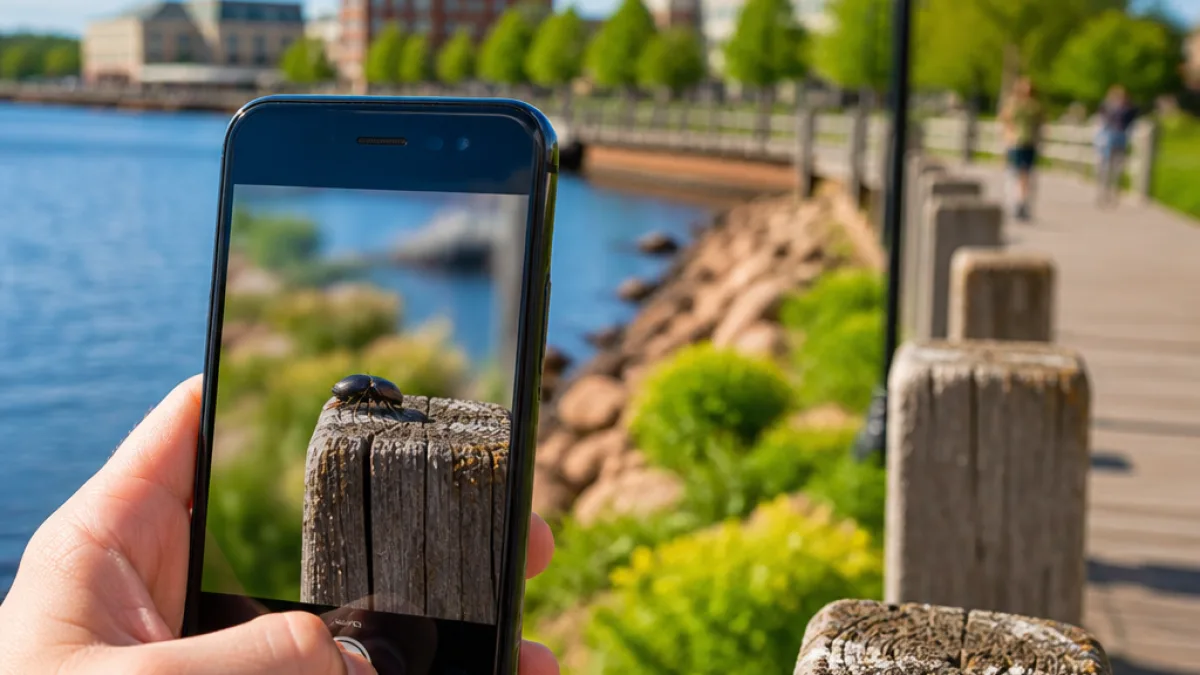
Organizers say the goal is twofold: spark curiosity close to home and gather observations that can guide habitat work locally and beyond. As people add sightings, the app’s identification tools and community experts help label what was found, building a public log of the city’s living things—whether that’s a beetle along the boardwalk, lichens on a fence post, or the birdsong you hear on an evening walk.
“We encourage folks to get outside — it could be in your own yard, in public parks, around the city — and document whatever wild plants, insects, animals you see,” said Rowan Neale, a nature education and restoration co-ordinator with the City of Charlottetown.
Participants do not need special training. With a phone or camera, you can snap what you see and share it to the app. iNaturalist then helps sort and store those records, making them available to researchers, conservation groups and municipal staff who use the information to understand what’s thriving—and what needs attention.
How the data helps here at home—and far beyond
City staff say the growing pool of observations is already informing on-the-ground work. The database is used to help plan nature repair projects around Charlottetown, highlighting areas where native species are doing well and where invasive plants or pests may be putting pressure on habitats. The effort also dovetails with Island-wide work to keep tabs on non-native species.
According to organizers, the P.E.I. Invasive Species Council draws on iNaturalist reports to watch for problem species appearing in new places. Because the app is global, the reach of those local uploads extends to conservation organizations elsewhere that rely on open biodiversity data to spot trends, track species’ ranges and prioritize restoration.
| Who uses the data | What they use it for |
|---|---|
| City of Charlottetown | Planning and timing of nature repair and restoration efforts |
| P.E.I. Invasive Species Council | Tracking and mapping non-native species on the Island |
| Researchers & conservation groups | Analysing biodiversity trends at local and global scales |
Getting started: simple steps to take part
Organizers emphasize accessibility: you don’t have to know species names to contribute. What matters is making an accurate record of what and where you found something.
- Look for wild organisms—plants, insects, fungi, birds and other animals—anywhere in the city, from backyards to public parks.
- Take clear photos, or make short audio recordings for birds, frogs or insects.
- Upload observations to iNaturalist, where they’ll be catalogued and identified by the community and the app’s tools.
Neale underscored the open-door nature of the event:
“You don’t need to be an expert in nature. You don’t need experience. All you need is to be curious and to just get out there.”
Why an urban BioBlitz matters
Charlottetown’s green spaces—riverbanks, roadside edges, pocket parks and schoolyards—often host a surprising variety of species. Systematically recording what’s present over a full month can reveal patterns that short surveys miss, including the arrival of early-season insects, fruiting times for fungi, or the presence of less-noticed plants tucked into hedgerows. Those details can inform mowing schedules, planting choices and invasive plant removal, helping the city direct resources where they’ll do the most good.
Because the BioBlitz is community-powered, it naturally spreads people across different neighbourhoods and times of day, filling in gaps that professional surveys may not catch. Over time, those repeated snapshots create a living baseline: a way to tell if a shoreline planting is taking hold, whether pollinator-friendly gardens are broadening habitat, or if a new invasive is beginning to move in.
What participants bring to the table
Every observation adds a point to the map and a line to the record. A photo of a backyard bee can help confirm which pollinators are active; a recording of birdsong can document a migratory stopover. Even common species matter, because knowing what’s abundant is as important as flagging what’s rare. And when something unexpected appears, that alert can travel quickly through the iNaturalist network to specialists who can advise on next steps.
For Islanders, the BioBlitz is also about noticing more of what’s right underfoot. A walk to the corner store becomes a small field trip; a break at the playground turns into a look under a leaf. Multiply that curiosity across a city for a month, and you get a richer, finer-grained picture of local life that helps guide stewardship here—and contributes to conservation work around the world.