Why being in the room matters for the North
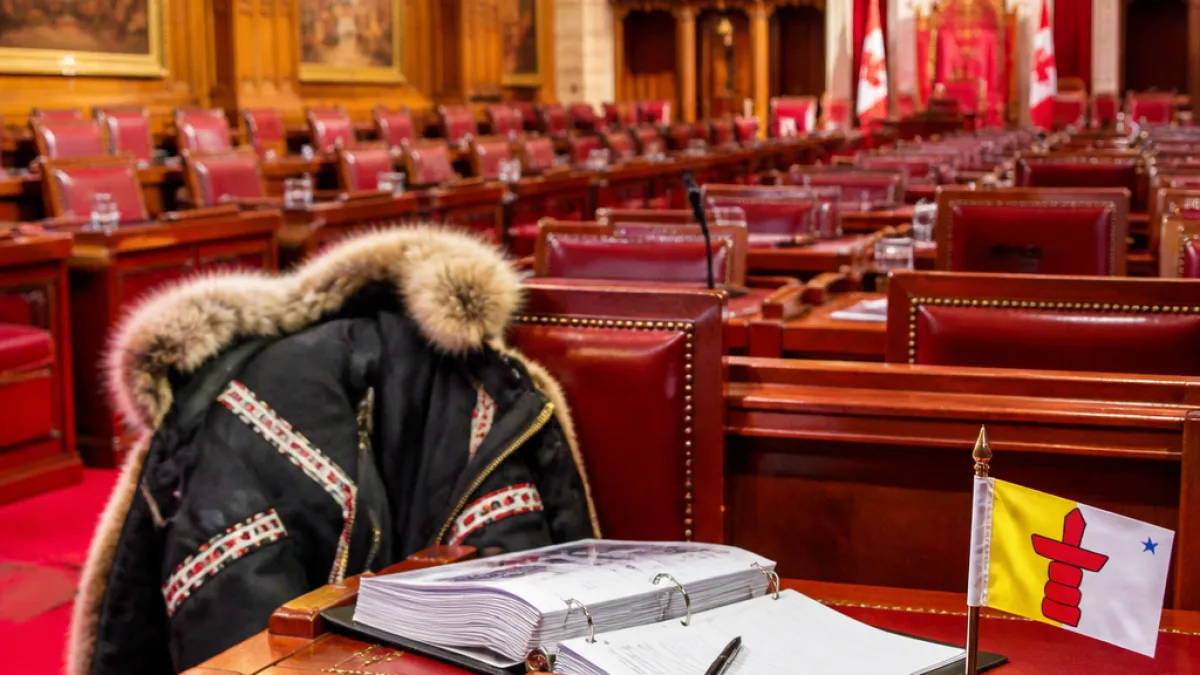
Dennis Patterson, who represented Nunavut in the Senate, says the North’s voice in Parliament depends on its senators showing up in Ottawa — and speaking up when they do. With only three northern representatives in the upper chamber and, as he puts it, few southern colleagues fully grasping the realities of the Arctic, he argues there’s little margin for absence.
“What you've got to do to make up for the small numbers is speak up and take advantage of every opportunity,” he said. “Make your views, make your region get on the radar of the parliamentarians in Ottawa.”
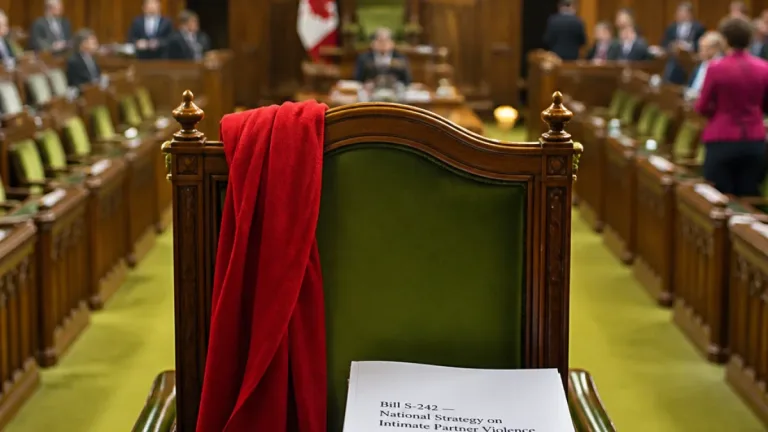
Patterson’s comments follow reporting that a significant number of senators missed sittings in the year after the last federal election. For residents across Nunavut, that debate cuts close to home: when the Senate meets to scrutinize legislation with northern impact — from infrastructure and health services to resource governance — the territory relies on a small cohort to bring lived northern experience into federal deliberations.
Attendance concerns put northern seats under the spotlight
In the 12 months following the election, the Senate sat for 76 days. During that period, N.W.T. Senator Dawn Anderson recorded the highest number of absences attributed to “other public business”, missing 27 sitting days, according to the report. The issue echoes an earlier chapter: in 2014, former N.W.T. senator Nick Sibbeston was criticized for low attendance, at the time pointing to partisan infighting as a reason he stayed away.
Anderson has defended her record in a media statement, saying many of the missed sittings reflected official parliamentary work performed on behalf of the Northwest Territories. The Senate’s attendance records, which distinguish between different categories of absence, list “other public business” for senators engaged in approved duties away from the chamber.
What’s at stake for Nunavut
For communities spread across vast distances, where the cost of living, travel and delivering services remains high, representation in Ottawa is not an abstract principle. Patterson’s warning is essentially practical: in a chamber where northern voices are numerically few, consistency in presence and participation helps ensure that northern realities are not sidelined when laws are amended or studies are undertaken.
That dynamic also matters in quieter, less visible Senate work — the committee hearings, clause-by-clause reviews and informal briefings where much of the chamber’s influence is exercised. Northern senators, Patterson argues, need to lean into those moments to translate community concerns into concrete questions for ministers and departments, and to explain the day-to-day implications of national policies in Arctic conditions.
Context and numbers
The recent discussion is driven by a simple tally of days in the chamber. While the Senate’s calendar can be unpredictable — compressed by federal timelines or expanded during intensive legislative pushes — the totals cited underline why Patterson is pressing for a consistent presence from the North.
| Measure | Figure |
|---|---|
| Senate sitting days (12 months post-election) | 76 |
| N.W.T. senator absences ("other public business") | 27 |
| Northern representatives in the Senate | 3 |
The numbers do not tell the full story of outreach in communities or official duties away from Ottawa, but they do shape public expectations. For Nunavut residents following the thread, the message from a former territorial representative is direct: every day in Ottawa is an opportunity to put northern issues before colleagues who may not otherwise encounter them.
A call to keep the North front and centre
Patterson’s emphasis on visibility in the chamber comes with a reminder that advocacy is cumulative. Each intervention helps build a record — on housing, infrastructure, food security, climate resilience and the cost of essential services — that colleagues refer back to when bills are drafted or amended. With fewer northern seats at the table, each absence can be felt more sharply.
As the Senate prepares for future sittings, the conversation sparked by attendance logs and public business categories lands on a familiar truth for the territory: representation is not just about who holds the title, but about who is present to make the case when it counts.
- Only three northern voices in the Senate means higher stakes for each sitting day.
- Attendance records show 76 sitting days in the year after the election; one northern senator missed 27 for “other public business.”
- Patterson’s advice: use every opportunity in Ottawa to keep northern priorities on the legislative radar.