Nunavut health officials say the territory has recorded fewer than five cases of cyclosporiasis so far this season and that there is no indication those cases are connected to the large outbreak affecting parts of the United States.
What officials are saying
The Government of Nunavut’s Department of Health reported that the small number of local cases does not appear to be tied to the ongoing U.S. illnesses or to imported fruits and vegetables from the United States. The department reminded residents to take simple food-safety steps at home.
"At this time, there is no evidence to suggest that the case identified in Nunavut is linked to any ongoing foodborne outbreak or to imported fruits or vegetables from the United States,"
The Canadian Food Inspection Agency (CFIA) also noted it routinely tests for the parasite and that, to date, it has not found cyclospora related to the U.S. outbreak in either imported food or food grown in Canada.
How the parasite spreads and precautions
Cyclospora is an intestinal parasite that can cause diarrhoeal illness. It spreads when people consume food or water contaminated with the organism. Previous investigations have implicated a variety of fresh produce items.
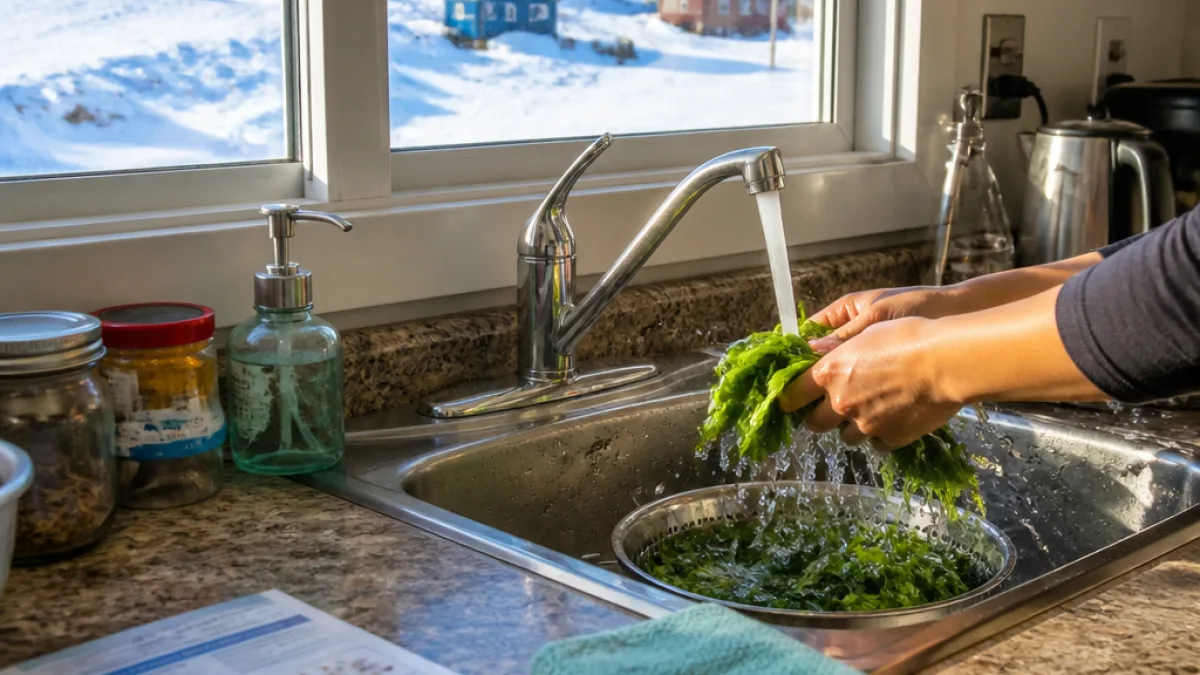
- Wash fresh vegetables and herbs thoroughly before eating.
- Avoid consuming unwashed produce, especially when serving vulnerable people.
- Follow any additional guidance from local public-health units if more cases are identified.
| Metric | Number |
|---|---|
| Typical annual cyclospora cases in Nunavut | About 5 |
| Cases identified so far this season | <5 |
Health officials in the United States have reported thousands of cases, particularly in states such as Michigan and Ohio. The CFIA emphasised that past outbreaks internationally have been linked to raspberries, blackberries, leafy greens and fresh herbs, including cilantro and basil.
Nunavummiut who experience persistent diarrhoea, especially after eating fresh produce, should contact local health services for advice and possible testing. Health authorities continue to monitor the situation and will provide updates if new links to food imports or other sources are identified.