Failure to act leaves tenant with health concerns
The New Brunswick housing minister has concluded that a Saint John renter who reported extensive mould in a newly leased apartment was let down by both his landlord and the provincial Tenant and Landlord Relations Office.
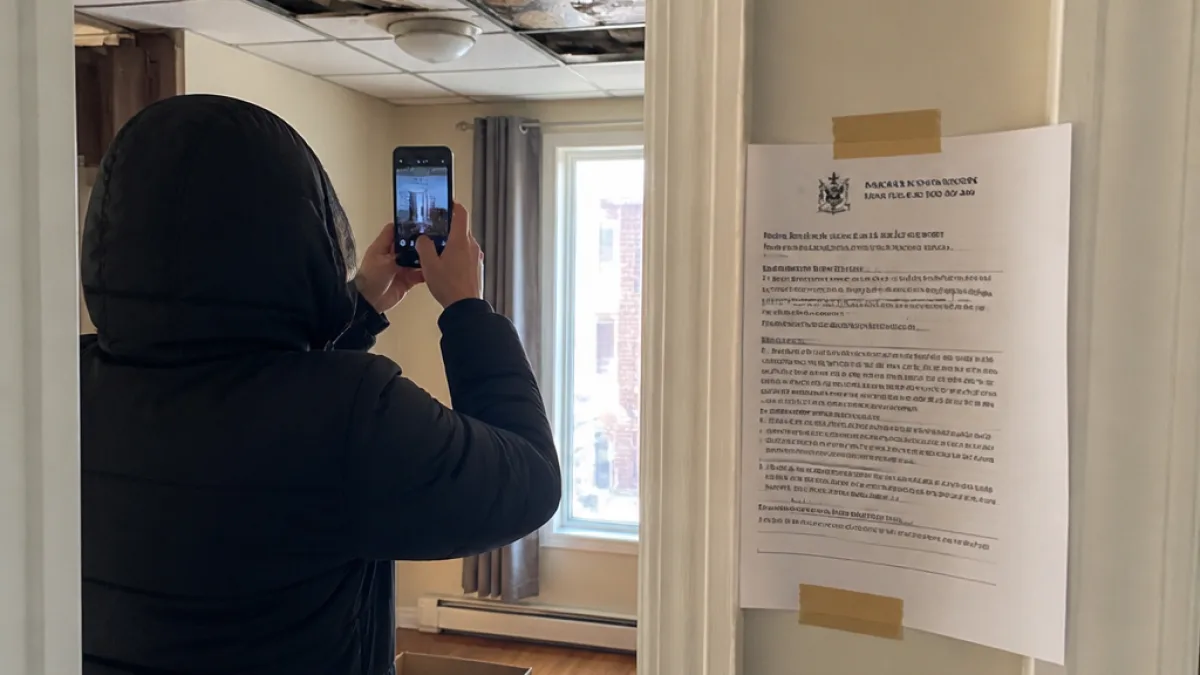
Abdulbari Alhallak signed a lease for an apartment in May and began cleaning the unit before moving in. He told officials he experienced breathing problems and headaches while preparing the space. After inspecting the unit, he found what he believed to be a large amount of mould above a drop ceiling and documented it with photographs and video.
“I discovered it was completely, completely full … it's not even a small patch here and there. It's covered,”
Housing Minister David Hickey said the case showed two failures: tenants face a system that takes too long to resolve urgent issues, and the landlord did not fix the apartment when problems were reported.
“The difficulty that that tenant had and all tenants have in navigating the system as it currently stands is too much and too often leads to situations like this. That’s the first failure. The second failure is the landlord should have fixed the apartment.”
What happened and the response
Officials told CBC that it would be weeks before the Tenant and Landlord Relations Office could inspect Alhallak’s concerns. The delay, combined with the tenant’s reported health symptoms, has drawn attention from provincial officials and highlights gaps in how residential complaints are handled.
- May: Tenant signs a lease and begins cleaning the unit.
- Shortly after: Tenant reports breathing issues and documents suspected mould above a drop ceiling.
- Following complaint: Housing officials say inspections could take weeks, prompting criticism from the minister.
Local consequences and context
For Saint John renters, the case underscores the potential health risks of unresolved mould and the practical limits of the current complaint process. Minister Hickey has framed the issue as a systemic problem and pointed to an upcoming Residential Tenancies Act intended to speed resolutions for tenants and landlords.
The case raises questions for local landlords and property managers about the timeliness of repairs and the need to respond swiftly to health-related concerns. Tenants with asthma or allergies — conditions the tenant in this case reported having — may be particularly vulnerable when mould is present.
What to watch next
The province has promised reforms to the Residential Tenancies Act to shorten timelines and clarify responsibilities. For Saint John residents, the immediate concern is whether administrative changes will lead to faster inspections and remediation for health-related housing complaints.
| Issue | Impact |
|---|---|
| Inspection wait time | Delays can prolong exposure to hazards and exacerbate health issues |
| Landlord response | Failure to remediate can leave tenants without safe, habitable housing |
Provincial officials and tenant advocates say the planned legislative changes are meant to address cases like this. In the meantime, the situation in Saint John illustrates how slow administrative processes and inadequate landlord action can combine to leave a tenant in a precarious situation.