Purpose-built neighbourhood positions seniors to remain independent longer
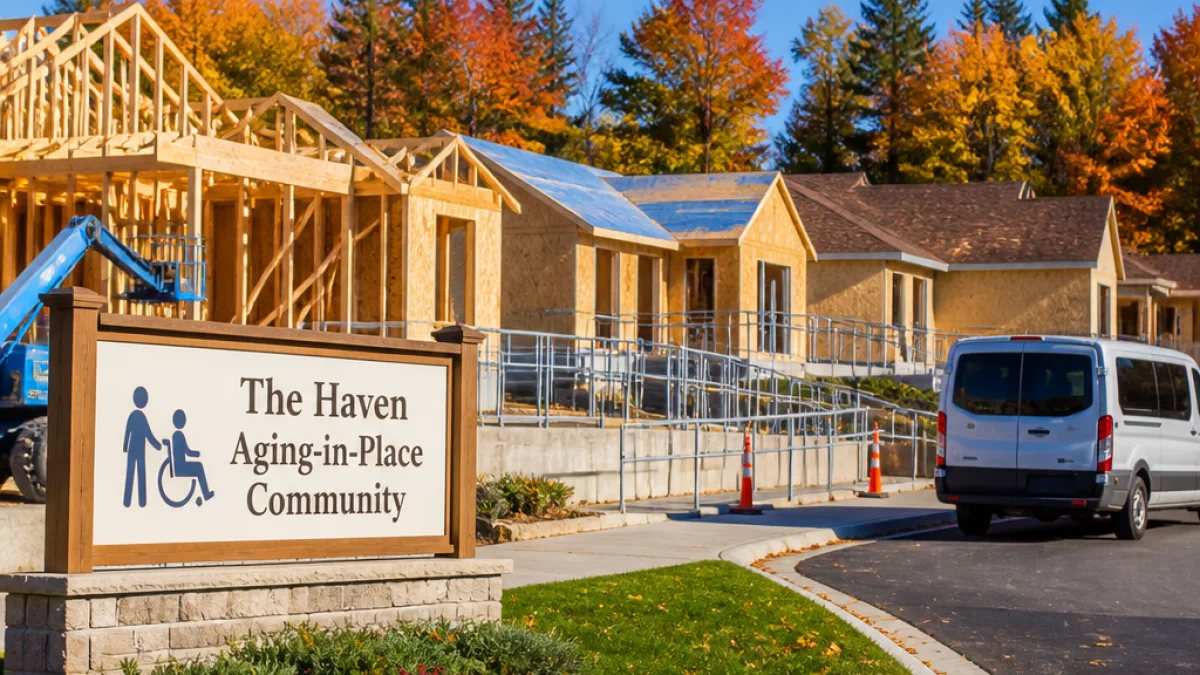
A new aging‑in‑place neighbourhood planned for Quispamsis is being promoted as the first of its kind in the Saint John region, offering homeowners access to on‑site caregivers in a purpose‑built setting. The development, known as The Haven, expects construction on the first 10 homes to begin late this summer, according to project details shared publicly.
Organizers say the model is designed for older residents who want to maintain independence while having timely support close to home. Aging‑in‑place communities are typically planned to reduce the need for frequent moves as health needs evolve, with services that can be scaled to match changing levels of care. In this case, the project’s distinctive feature is the presence of caregivers within the community, positioned to provide day‑to‑day assistance as required.
What the project is — and what it isn’t
Unlike traditional long‑term care facilities, aging‑in‑place neighbourhoods are residential communities intended to feel and function like a regular subdivision, with added supports available on site. The focus is on preserving autonomy — residents live in their own homes, seek support when needed and remain part of a small, walkable environment.
Backers of The Haven describe a purpose‑built approach. While specific design elements were not detailed, aging‑in‑place projects generally prioritize safety and accessibility, along with predictable access to personal support for daily tasks. By bringing caregivers into the neighbourhood, the aim is to narrow the gap between living independently and relying on outside services that can be inconsistent or hard to schedule.
Regional significance for housing and care
For the Saint John area, the launch of an aging‑in‑place option in Quispamsis addresses two practical concerns heard frequently from families: the desire for seniors to remain close to community ties, and the challenge of finding timely home‑care support. Project proponents frame the neighbourhood as a way to keep residents in familiar surroundings while responding to changing needs over time, potentially delaying or avoiding a move to institutional care.
The announcement also fits into a broader conversation about how communities in New Brunswick adapt to an older population. By locating supports within a residential setting, the model could help reduce some pressure on hospital discharges and community‑care wait lists, particularly for routine assistance that does not require clinical settings. The project’s timing — with groundwork for the first 10 homes anticipated later this summer — suggests an incremental rollout that can be assessed locally as it takes shape.
Human dimension and choice
Though the development is at an early stage, the promise of a neighbourhood where support is available without leaving home resonates with many families navigating loss, changing health and day‑to‑day responsibilities. For some, the appeal is being able to move before a crisis and settle into a place built for aging from the outset. With on‑site caregivers, residents can seek help with daily activities while keeping routines and privacy, an approach meant to balance independence and peace of mind.
What we know so far
- Location: Quispamsis, within the Saint John region
- Project name: The Haven
- Model: Aging‑in‑place neighbourhood with access to on‑site caregivers
- Timeline: Construction of the first 10 homes is expected to start late this summer
- Regional first: Described as the first aging‑in‑place neighbourhood in the Saint John area
At a glance
| Item | Detail |
|---|---|
| Project | The Haven |
| Type | Aging‑in‑place neighbourhood |
| Location | Quispamsis (Saint John region) |
| Initial build | First 10 homes expected to begin construction late this summer |
| Support | Access to on‑site caregivers |
| Noted distinction | Expected to be the first such community in the region |
What’s next
As site work begins, local officials, health‑care providers and families will be watching how the neighbourhood takes shape and how on‑site supports are organized day to day. Key details still to come typically include specifics on home layouts, service levels, pricing, and how caregiver support is scheduled and accessed by residents. With the first build phase slated for late summer, more information is expected as construction milestones are met.
For now, the Quispamsis project signals a practical step toward giving older residents a way to remain in their own homes with help nearby — an approach that could inform how other communities in the Saint John region and across New Brunswick plan housing and care for an aging population.