First Nations, scientists warn of severe consequences as federal support winds down
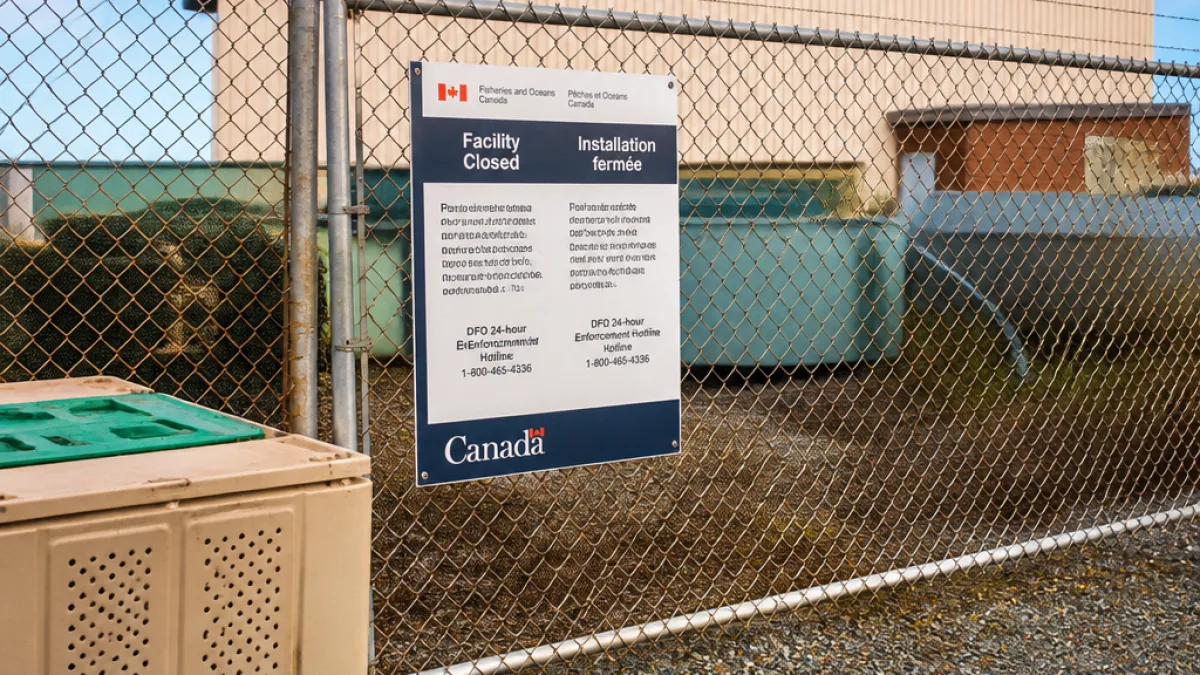
First Nations along the Wolastoq — also known as the St. John River — say the federal plan to close the Mactaquac Biodiversity Facility this fall risks wiping out a struggling Atlantic salmon population that once returned to the system in the tens of thousands. The Department of Fisheries and Oceans (DFO) confirmed the wind-down after more than two decades of work to move adult fish past multiple dams and raise juvenile salmon for release upriver.
For community leaders working on the river and its tributaries, the decision cuts into efforts to keep a culturally vital species on the landscape. Leonard Nicholas, fishery strategy director for Tobique First Nation, described the relationship to salmon as kinship rather than simply resource use.
“They've been here just as long as we have,” he said. “That's why we've been trying so hard to save them.”
Counts at the Mactaquac Dam show just a few hundred fish returning annually in recent years, a dramatic drop from the 1980s when returns were measured in the tens of thousands, according to DFO data cited by community members and researchers. The Mactaquac facility has been a key stopgap: it assisted adult salmon past three hydroelectric dams on the river and reared juveniles collected from the system before releasing them upstream to spawn.
‘Patient on a machine’ without long-term recovery
UNB aquatic biologist Tommi Linnansaari likened the facility’s role to life support for a species that has not recovered on its own.
“The analogy would be that the patient is alive, but it definitely is not healthy,” he said. “So we're keeping the patient, the proverbial patient, on a machine. But if we would pull it out from that machine, it would immediately die.”
DFO spokesperson Christine Lyons said the department is ending operations after extensive attempts failed to restore robust returns. In a statement, she noted that
“despite 25 years of significant efforts,”salmon returns remain low. The department has informed partners the facility will close in the fall.
Short notice, mounting uncertainty
Nicholas said he learned of the closure in January and was told in February that DFO would not assist with transport or rearing of this spring’s juveniles. He described the shift as abrupt, given the reliance on the facility’s infrastructure and expertise.
“To just spring it on us the same year that they're closing it down without giving us any proper warning, any proper consultation, it was a real gut punch and I've been scrambling ever since,” he said.
First Nations and biologists warn that without the facility’s support — the literal moving of fish around major barriers and the raising of young salmon for release — the outer Bay of Fundy salmon population on the Wolastoq could collapse. The community-driven work to collect juvenile salmon will continue, but leaders say it will be significantly harder without federal help.
What the facility did — and what ending it could mean
- Assisted adult salmon migration past three dams on the St. John River system.
- Collected and reared juvenile salmon from the river before releasing them upstream to spawn.
- Provided a stopgap while wild returns remained at only a few hundred fish annually.
- Closure announced for the fall, with partners told federal assistance for spring juveniles would not continue.
| Indicator | Earlier period | Recent status |
|---|---|---|
| Salmon returns (St. John at Mactaquac) | Tens of thousands (1980s) | Few hundred annually |
| Mactaquac Biodiversity Facility | Operating > 25 years | Set to close in fall |
Cultural and ecological stakes on the Wolastoq
For Wolastoqey communities, salmon are entwined with identity, ceremony and food systems. Leaders emphasize that continued decline is not only a biological loss but a cultural one. Scientists describe outer Bay of Fundy salmon as a distinct population that faces multiple pressures in freshwater and at sea, with dams among the challenges to migration and reproduction. The facility’s closure removes a critical bridge over those barriers while no replacement pathway has been announced.
DFO maintains that intensive interventions have not reversed the overall downward trend. First Nations and researchers counter that withdrawing those interventions now could accelerate decline and erase decades of incremental gains in maintaining river-spawning adults.
As fall approaches, Indigenous stewardship teams are preparing for a season without federal movement support for fish or juveniles. They say the next few months will test whether community-led efforts — without the Mactaquac program — can keep enough salmon on the spawning grounds to avoid a sharper drop.