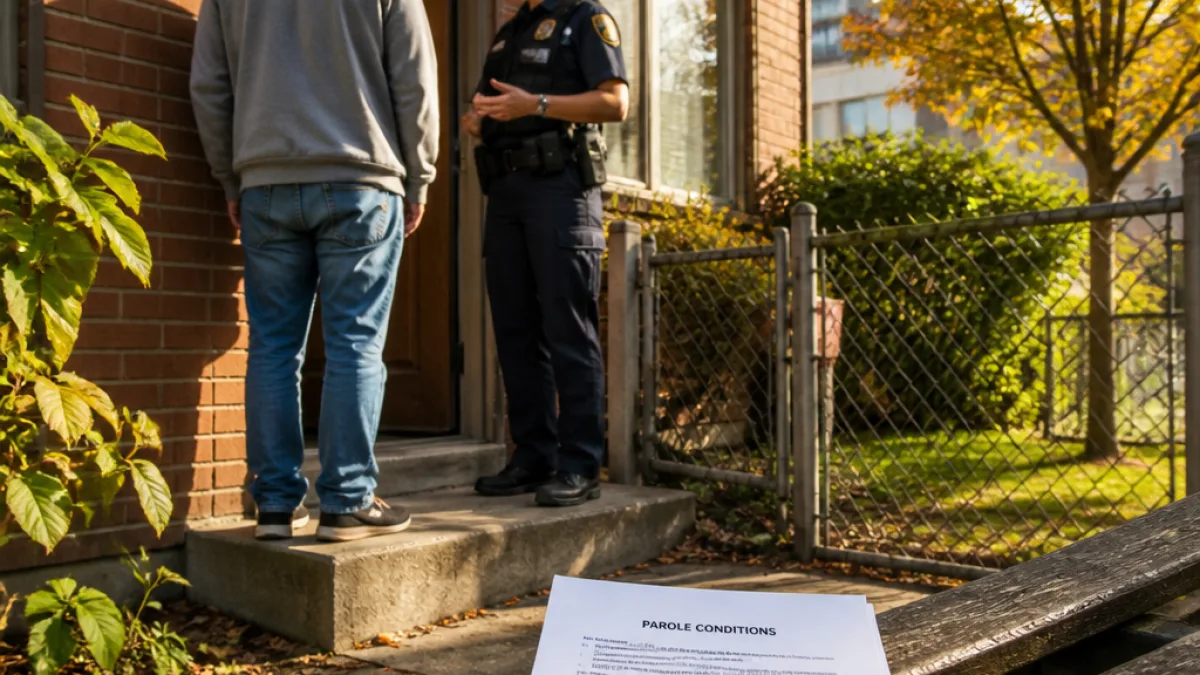
The Parole Board of Canada has granted day parole to Brock Graham, a former Vancouver police officer who was convicted in the killings of two women, the board confirmed on Thursday. Graham, now 66, will be required to live in a halfway house and comply with several restrictive conditions intended to manage risk while he transitions into the community.
Conditions set by parole board
According to the board, the decision imposes a set of conditions designed to limit Graham’s contact with potential victims and to provide supervision during his day parole.
- Residence requirement: must live in a designated halfway house;
- Reporting obligations: must disclose and report any new intimate relationships with women;
- Internet restrictions: prohibited from using dating websites or apps.
"The parole board determined that day parole is appropriate subject to conditions designed to manage identified risks," the board said in a statement.
Local implications and oversight
The board’s ruling is likely to prompt renewed attention in Vancouver to how parole conditions for serious offenders are monitored and enforced. Day parole allows individuals to leave their residence for part of the day for activities such as work or community-based programming while returning to a structured residence at night, but it also raises questions about supervision and public safety in neighbourhoods where parolees live or work.
Under the terms granted, the requirement to live in a halfway house places responsibility on community supervision services and the institution that hosts Graham to ensure compliance. The reporting requirement for intimate relationships and the ban on dating sites are among the more restrictive measures the board can impose to reduce opportunities for reoffence.
What the decision does and does not say
The board’s public statement notes only the form of parole and the principal conditions. It did not provide further details about the underlying convictions, the length of Graham’s incarceration, or the schedule and duration of the day parole. Those details are matters of public record but were not included in the board’s release referenced here.
| Item | Detail |
|---|---|
| Parole type | Day parole |
| Age | 66 |
| Key conditions | Residence in halfway house; report intimate relationships with women; no dating sites |
For Vancouver residents and victims’ advocates, the parole will be a focal point for discussion about how the criminal-justice and corrections systems balance rehabilitation with public safety. Local agencies that supervise parolees will be expected to enforce the conditions set by the board and to notify authorities if breaches occur.
As this case progresses under day parole, further information about monitoring arrangements, compliance reports and any subsequent changes to the parole status may become available through the Parole Board of Canada or through public court records.