The Nova Scotia government will ease two long-standing restrictions on alcohol sales to help domestic wineries, cidermakers, breweries and distilleries expand retail opportunities and reach more customers.
What’s changing and when
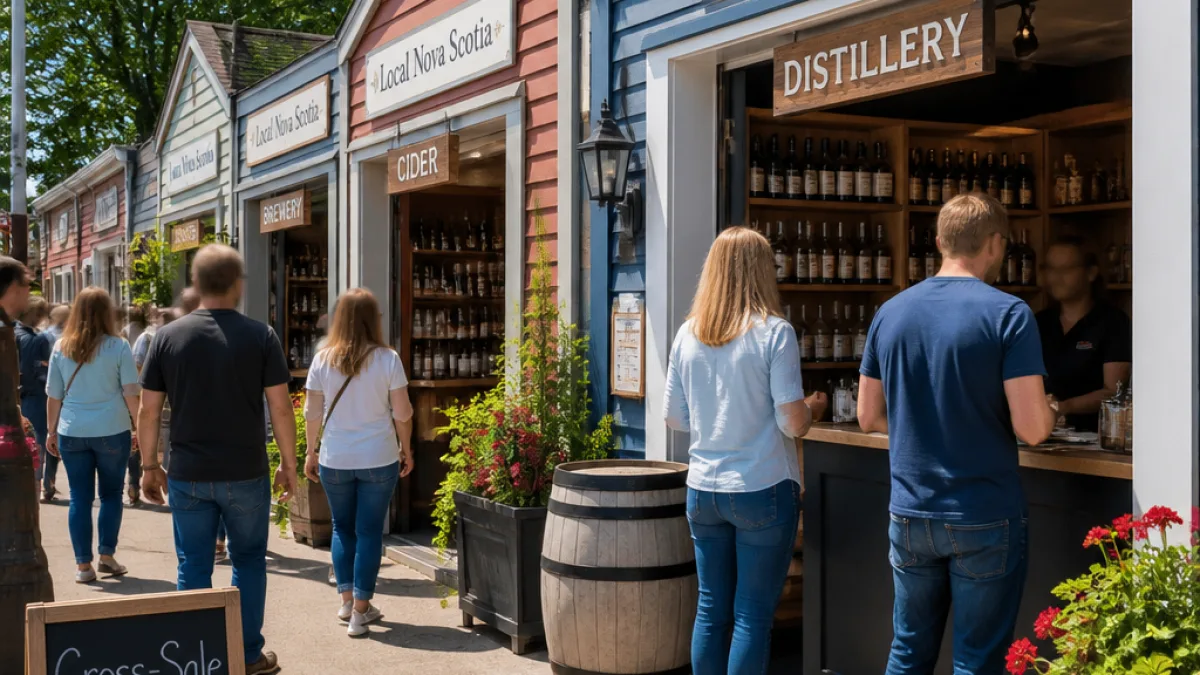
Beginning in early August, provincial rules will allow licensed producers to sell each other’s products on-site. From the autumn, manufacturers will be able to open a separate retail store that does not have to be attached to the production facility.
“Local producers have been asking for these changes. We’ve listened – these changes will strengthen their industry and allow them to sell more products here at home,” said Nova Scotia premier Tim Houston. “Nova Scotians love supporting local, and these changes offer them more choice.”
Limits, consultation and the role of the NSLC
The government says limits will be placed on how much product a producer may sell that is made by another local company. Specifics will be determined through discussions with the Nova Scotia Liquor Corporation (NSLC), which will consult industry stakeholders this summer to develop implementation rules.
- Early August: cross-selling between local producers permitted
- Autumn: approval for separate retail stores operated by producers
- Summer: NSLC-led consultations to set limits and operating details
Why it matters locally
Nova Scotia’s craft beverage sector has been growing. There are currently 120 licensed alcohol producers in the province. Sales of local products through the NSLC reached CA$150.9 million in the 2025-2026 fiscal year — an increase of CA$15.2 million over the previous year — signalling rising consumer demand for locally made beverages.
| Metric | Figure |
|---|---|
| Licensed local producers | 120 |
| NSLC sales of local product (2025-26) | CA$150.9 million |
| Year-over-year increase | CA$15.2 million |
The changes follow previous moves by Nova Scotia to liberalize sales channels. The province and Ontario signed an agreement earlier this year to allow direct-to-consumer alcohol shipments between the two provinces, part of a broader effort to enable cross-jurisdiction DTC (direct-to-consumer) sales across Canada.
Industry groups and small producers have been pushing for greater flexibility for years, arguing that existing rules limited on-site retail growth and hampered the ability of craft operators to present a wider selection to visitors and residents. The government framed the amendments as a response to those requests and as a way to boost choice for Nova Scotians who prefer to buy locally made beverages.
Next steps for producers and consumers
Producers seeking to take advantage of the new rules will need to follow the forthcoming NSLC guidance. That process will address how much third-party product can be stocked, licensing requirements for separate retail locations, and any reporting or compliance obligations. Consumers can expect to see a wider range of locally produced beers, wines, spirits and ciders available at producer sites and, later, in standalone retail outlets operated by those same producers.
Officials did not release the precise numerical limits on cross-selling or a full timeline for the NSLC consultations. Those details are expected to be provided as the province and the NSLC engage with industry stakeholders this summer.
These regulatory adjustments are part of a broader national movement to modernize alcohol retail rules, including memorandums of understanding among provinces to expand direct-to-consumer shipping. For Nova Scotia’s small and medium-sized producers, the changes could mean increased sales opportunities and more options for shoppers who want to support local businesses.