Local shops step in to close everyday gaps
TRURO, N.S. — A downtown menswear store is among a trio of businesses working with the Truro Housing Outreach Society to provide private shopping and essential purchases for people transitioning out of homelessness — an approach organizers say helps restore dignity and ease the day-to-day barriers that make reintegration difficult.
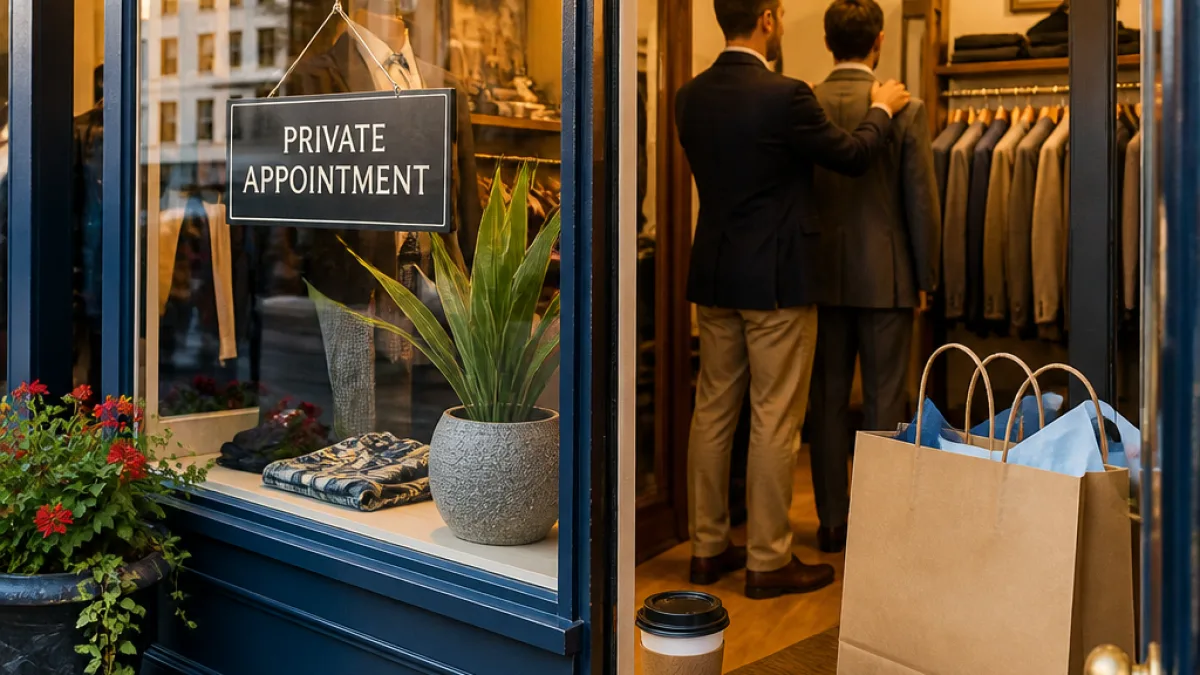
In one recent case, a client who arrived with only the clothes he was wearing was invited to shop after hours at Dominion Haberdashery, a menswear retailer on Truro’s main strip. The bill was covered by the society under a new community commerce partnership that connects local businesses with shelter clients for approved purchases.
“I put his favourite music on. I made him a cup of coffee,” said owner Daniel MacLellan. “We just found stuff that was really him, and it was really fun. It was like, I don't think he's ever had that treatment before.”
Program organizers describe the initiative as an effort to make routine activities — choosing clothes, buying a snack, or accessing a phone — feel ordinary again while maintaining staff oversight to ensure purchases align with client needs and plans.
‘More than housing’: addressing barriers to reintegration
Stephanie Watson, the society’s executive director of homelessness and supportive programs, said clients can make staff-approved purchases through participating businesses. She said the idea grew from conversations about how commerce and community life can feel out of reach for people who have lost housing, not just because of cost but also because of social and practical obstacles.
“It kind of came about just with feeling like a separation between business owners and the housed community and the folks that we serve, as well as just realizing that there's more barriers for individuals who are experiencing homelessness than just housing,” Watson said. “There's a real gap in community reintegration and normalizing people's lives.”
Alongside Dominion Haberdashery, the partnership includes Geo Nova Scotia, which helps clients access technology such as smartphones, and Leno’s Stop, a convenience store in Elmsdale, N.S. The society indicated there is funding available to bring more local businesses into the program.
How the partnership works
While each purchase is individualized, the model is consistent: clients are connected to participating shops, staff coordinate what’s needed, and the society covers costs directly with the business. The goal, Watson said, is to reduce friction and stigma often encountered in public retail settings while preserving client choice.
- Private access: After-hours or low-traffic appointments minimize stress and allow time for fit and selection.
- Staff-approved purchases: Shelter staff confirm items align with client needs and plans.
- Direct billing: Businesses are reimbursed by the Truro Housing Outreach Society.
A seemingly simple step — trying on a jacket with a favourite song playing, or selecting a phone with patient guidance — can help rebuild comfort with everyday transactions. Organizers say that kind of routine engagement supports other goals, from job interviews to medical appointments, where appropriate clothing and reliable communication matter.
Participating businesses and roles
| Business | Location | Role in partnership |
|---|---|---|
| Dominion Haberdashery | Downtown Truro | After-hours menswear shopping and fitting |
| Geo Nova Scotia | Nova Scotia | Access to technology, including smartphones |
| Leno’s Stop | Elmsdale, N.S. | Convenience goods for daily needs |
Why it matters locally
Community advocates in Nova Scotia have pointed to the importance of removing incremental barriers — clean clothing, a way to stay in touch, and comfortable access to basic goods — as essential complements to emergency shelter and housing. While long-term housing remains the primary objective for many clients, the Truro program focuses on the immediate, practical steps that help people re-establish routines and confidence.
Business participation also signals a shift in how the broader community engages with homelessness. By inviting clients into their spaces and working with social service staff, retailers become partners in stabilization and recovery, not just points of sale. Organizers say the model’s flexibility makes it adaptable to additional stores and services as interest and funding permit.
For now, the society is emphasizing careful, client-centred decisions and building relationships with shops willing to offer time and discretion. The early experiences, like the personalized visit at Dominion Haberdashery, suggest that small, supported choices can make a meaningful difference in how clients navigate daily life.