
Province-wide tick study shifts into gear on Nova Scotia trails
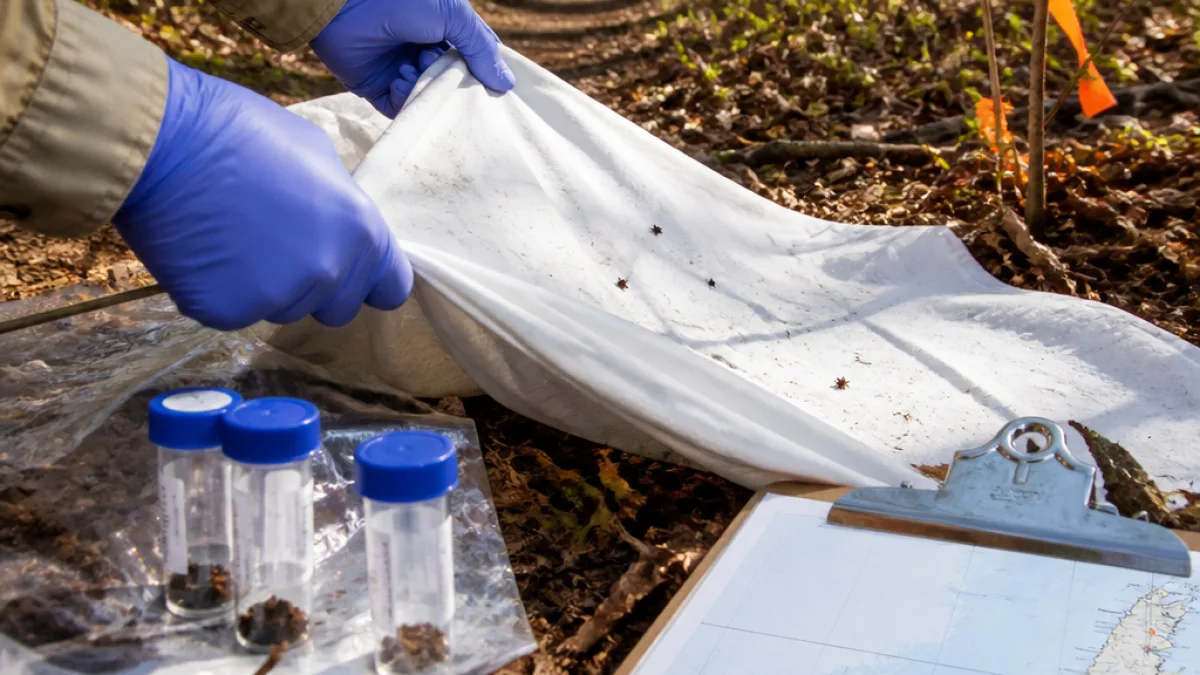
Student researchers from Acadia University are fanning out across Nova Scotia this spring and summer, sweeping popular walking routes and woodland edges with flannel sheets to collect ticks as part of a new, five-year scientific effort. The study, led by Acadia biology professor Laura Ferguson, aims to pinpoint where ticks are most concentrated, what hosts they are using for meals, and how their populations are moving across the province.
Field teams have been walking well-used paths and forest corridors, carefully recording what they find and bringing samples back for analysis. By focusing on both hot spots and areas with lighter activity, the project is designed to build a more complete picture of tick presence and potential pathogen exposure risks over time. The work is in its first season, with researchers committed to returning to the same locations in future years to track changes.
What the research is looking to answer
Long-term monitoring helps clarify how environmental conditions and human activity shape where ticks thrive. This study is examining:
- Distribution: Where tick populations are densest and how those locations shift.
- Feeding patterns: What animals ticks are feeding on in different parts of the province.
- Pathogens: Which disease-causing agents are present in collected samples.
Researchers are using a standard collection method often called “dragging,” in which a flannel sheet is pulled over vegetation where ticks wait for passing hosts. Collected ticks are then removed from the fabric and catalogued for laboratory testing.
Why a five-year window matters
Tick populations can fluctuate with weather, wildlife cycles and human land use. A multi-year approach allows scientists to detect trends, not just seasonal spikes. By returning to the same trails and woodland edges, the team can compare year-to-year data, providing a stronger basis for public-health guidance and land management decisions.
Where the work is happening
Although individual sites were not detailed publicly, student teams are sampling around the province, including popular walking trails and wooded areas commonly used by residents. The broad scope is meant to capture a range of habitats, from well-trodden recreation routes to quieter forest margins.
| Study lead | Prof. Laura Ferguson |
|---|---|
| Institution | Acadia University |
| Duration | Five years (first year underway) |
| Field method | Flannel sheet “dragging” on trails and woodland edges |
| Focus | Hot spots, feeding patterns, spread, pathogen screening |
What Nova Scotians should know right now
For residents who frequent trails, beaches with vegetated edges, and wooded backyards, the study underscores ongoing interest in understanding where and when ticks are most active. While findings will accumulate over several seasons, practical steps help reduce exposure during outdoor activities:
- Stay on cleared paths and avoid brushing against tall grass or leaf litter when possible.
- Wear light-coloured clothing to spot ticks more easily; consider long sleeves, long pants and closed footwear.
- Do a thorough tick check after outdoor activities and shower soon after returning indoors.
- Promptly and properly remove any attached tick with fine-tipped tweezers.
As data from the first field season is processed, researchers are expected to build a clearer picture of tick distribution and the organisms they carry. Over the full five-year span, the study’s maps and trend analyses are intended to inform local planning, trail management and health outreach across Nova Scotia.
This work adds a structured, long-view lens to a subject of steady concern for outdoor users, landowners and municipal caretakers alike. By documenting where ticks are concentrated and what they are feeding on, the Acadia team is setting a baseline that should help communities make practical, evidence-based decisions about how to enjoy—and care for—the province’s shared outdoor spaces.