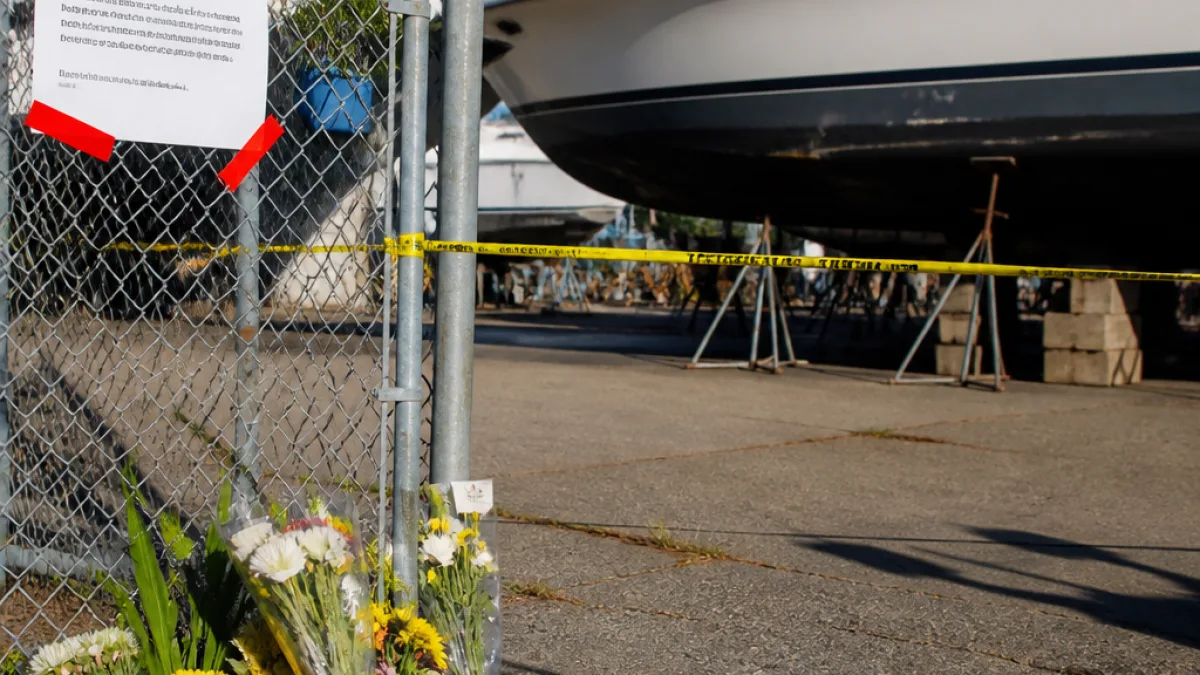
Undetermined ruling deepens scrutiny of response to young woman’s death
The death of 20-year-old Tatyanna Harrison, whose body was discovered on a dry-docked vessel in an east Richmond marina on May 1, 2022, has been classified as undetermined by a coroner’s inquest. The outcome, which indicates there was insufficient evidence to decide whether the death was natural, accidental, suicide or homicide, has renewed pressure on authorities to revisit investigative decisions made in the case.
Harrison’s mother reported her missing two days after the discovery, but identification did not occur until three months later through DNA analysis, following a series of missteps that advocates say compounded the delay. The Union of B.C. Indian Chiefs noted Harrison was Cree, Métis and Brazilian, and said her family had been affected by the Sixties Scoop and the day school system, placing the case within a broader context of systemic harms experienced by Indigenous families.
Conflicting medical findings and early assumptions
Initial assessments at the scene leaned toward a suspected drug overdose, and first responders did not treat the death as suspicious. Subsequent findings shifted: the cause was later described as sepsis, a body-wide infection, before the inquest concluded the manner of death could not be determined. An autopsy reported therapeutic levels of fentanyl — consistent with a prescribed dose — in Harrison’s system, undercutting early overdose assumptions and adding complexity to the medical picture reviewed by the inquest.
Investigative challenges extended beyond the autopsy. A post-mortem identification sketch reportedly did not resemble the photographs used in the missing-persons bulletin, contributing to the protracted identification timeline. Jurisdictional uncertainty also played a role, as the file moved between the Vancouver Police Department and the Surrey RCMP amid questions about where Harrison lived or was last seen.
Family calls for renewed investigation
Harrison’s mother is seeking to have the death investigation reopened following the inquest’s finding. Her legal counsel, Sue Brown, criticized the approach taken in the early stages, arguing that bias shaped critical decisions.
“The investigation into Tatyanna’s death failed from the beginning, when essential investigative decisions were made based upon assumptions and stereotypes about who she was, rather than thorough investigation,” said Sue Brown, lawyer for Natasha Harrison. “We are witnessing a repeat of the systemic failures identified in the Pickton investigations, where discriminatory assumptions shaped investigations and basic steps were not followed.”
Key dates in the case
| Date | Event |
|---|---|
| May 1, 2022 | Harrison found on a dry-docked boat in an east Richmond marina. |
| May 3, 2022 | Her mother reports her missing. |
| Summer 2022 | Identification confirmed via DNA after several months. |
| 2026 | Coroner’s inquest rules the death undetermined. |
Implications for Richmond and beyond
The inquest’s undetermined ruling does not assign fault or finalize a cause, but it places the spotlight on missing-persons protocols, inter-agency coordination, and the handling of potential bias in policing. For Richmond, the timeline underscores how early decisions — including assumptions at the scene and confusion over investigative jurisdiction — can reverberate through an inquiry and delay certainty for families.
Local residents and community advocates are likely to track any next steps closely, including whether police agencies review call-taking and file-transfer procedures for missing youth and whether identification practices are re-examined when conventional leads do not match. The case also intersects with long-standing concerns from Indigenous organizations about disparate treatment and the need for culturally informed practices in investigations.
What remains unresolved
- The inquest confirmed the manner of death cannot be classified with the available evidence.
- Questions persist over how initial overdose assumptions influenced the early response.
- Jurisdictional uncertainty between VPD and Surrey RCMP complicated continuity of the file.
- Identification delays linked to a non-matching post-mortem sketch prolonged notification and next steps.
As Harrison’s family pushes for further investigation, the inquest leaves a public record of what officials could and could not determine, and a reminder that clarity in the first hours and days of a missing-persons file can shape outcomes months and years later. For a city framed by waterways and industrial marinas, the case raises practical questions about scene assessment, inter-municipal coordination and how quickly potential misassumptions are corrected when evidence points in other directions.