The Calgary Stampede remains centred on its rodeo performances and chuckwagon races, even as the city that hosts it has transformed dramatically, a Yukon visitor says after two days at the festival.
From parade to grandstand
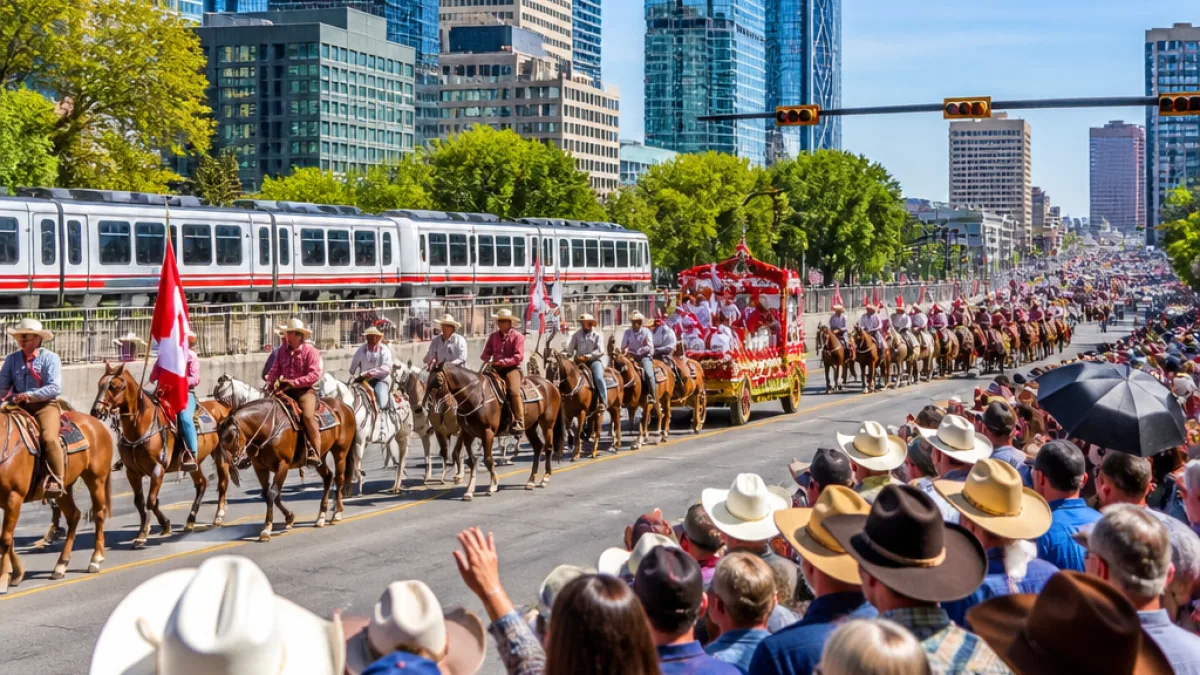
After travelling to Calgary, a Yukon resident and his wife spent two days at the Stampede, beginning with a downtown parade on 9th Avenue and continuing with rodeo events and the evening grandstand show. They waited in warm temperatures near 30 C to enter the grounds and observed thousands of spectators joining the festival atmosphere.
They watched a lengthy parade — noted as the longest in the event's history at about three hours — that included marching bands, floats, dignitaries and about 600 horses. The couple then took the light rail transit system to the Stampede grounds, where they spent the afternoon at the rodeo and the evening at the chuckwagon races and fireworks.
Rodeo: short bursts of intense action
The rodeo schedule they attended included traditional events such as saddle bronc and bareback riding, calf roping, women’s breakaway roping, barrel racing, steer wrestling and bull riding. Observing the events, the visitor noted how brief many performances are — in some cases lasting only a few seconds — and how that intensity contrasts with the scale of the festival.
| Event | Observed duration |
|---|---|
| Saddle bronc / bareback riding | Often just a few seconds |
| Calf roping, steer wrestling, bull riding | Very short, typically under 10 seconds |
| Barrel racing | Under 20 seconds |
A personal memory and the changing city
The visitor, who grew up in Calgary and moved away at 14, compared the modern city to its mid‑20th century appearance. When he was young, Calgary's population stood near 125,000; today the city approaches two million residents. He said downtown development and the city's sky‑piercing buildings made him feel disoriented among the changes.
He also recalled a youthful attempt at rodeo at the family farm in central Alberta, where he grew mixed crops and raised cattle and hogs. He tried riding a steer, which lasted "two or three seconds" and convinced him he would not pursue a rodeo career.
"saddled up"
What stayed the same
Despite the city's growth, the Stampede's core elements — rodeo competition, the chuckwagon races and a midway — remained familiar to the visitor. The evening programme he attended included indigenous relay races, stage entertainment and a fireworks display that concluded the night.
- Parade length: roughly three hours — reported as the longest in Stampede history.
- Number of horses in parade: approximately 600.
- Rodeo events observed: a mix of traditional men's and women's competitions, including events that run for only seconds.
The account offers Yukon readers a ground‑level description of this large prairie festival seen through the eyes of someone with childhood ties to Calgary and a present-day Yukon connection. The impressions underline how the Stampede continues to be a concentrated burst of competitive sport and entertainment amid a city that has changed markedly over the decades.