Whitehorse residents flag emergency access gaps
Concerns about reaching 911 from parts of Whitehorse are mounting after a recent reminder from Bell urged customers to update their Wi‑Fi calling emergency address. The prompt arrived as some locals reported dropped calls in cellular “dead spots,” reviving questions about how reliably first responders can be reached when seconds matter.
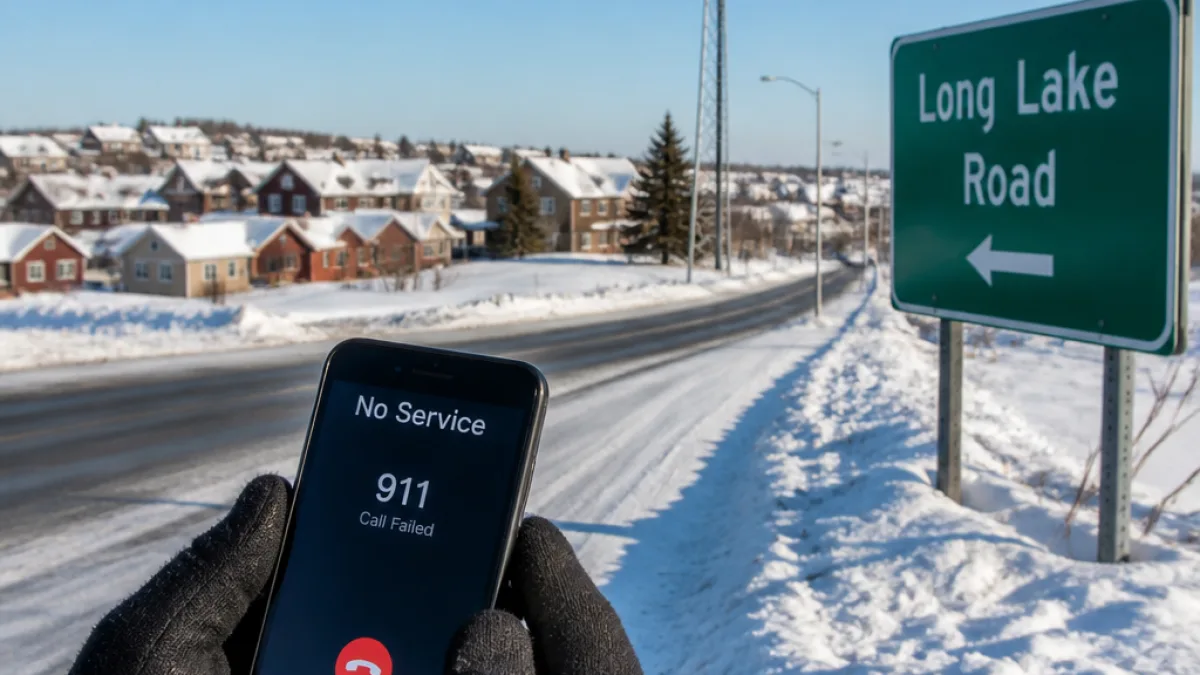
Long-time resident Barrett Horne, who lives off Long Lake Road, says he routinely encounters locations where calls fail altogether. He worries about what happens if an emergency unfolds in one of those areas, especially during winter conditions when response time is critical.
“Why is it that there are parts of the City of Whitehorse, within the city limits, that do not have cell phone service? … If I'm in a dead spot, it's a dead spot. It's dead for Wi‑Fi. It's dead for cellular. In the winter time, that could be a dangerous situation.”
Horne has lived roughly 12 kilometres from the general hospital for 25 years and describes multiple areas along the road where signals cut out. His concerns follow a recent report of a 911 call that went awry in Copper Ridge, one of the city’s more densely populated neighbourhoods, underscoring that the issue is not confined to remote backroads.
Bell’s reminder and a warning about limitations
The timing of the Bell message drew attention, but the company says there was no local trigger. In an email, a spokesperson said the text is an annual, CRTC‑mandated reminder sent to wireless customers across Canada, encouraging them to keep the emergency address in their device’s Wi‑Fi calling settings up to date so responders can be dispatched if a caller cannot share their location. Bell declined an interview to elaborate.
An expert in disaster and emergency management cautions that Wi‑Fi calling is not a guaranteed lifeline to 911, especially in areas where both Wi‑Fi and cellular coverage can be unreliable or absent. In places like Long Lake Road, where residents say service can vanish entirely, updated settings may offer little help if a call cannot connect in the first place or drops mid‑conversation.
Local terrain and winter add layers of risk
Whitehorse’s varied terrain and long winters can complicate communications. Horne says the stretch up Long Lake Road has more than one dead zone where phones will not hold a signal. That reality, paired with icy conditions and reduced daylight, can create a narrow safety margin for people trying to summon help.
While Wi‑Fi calling can bridge gaps indoors or in buildings with strong connections, residents encountering a true dead zone — where both cellular and Wi‑Fi are unavailable — may find that the technology offers no backstop. That gap is what worries some households on the city’s fringes and even within established neighbourhoods where coverage may fluctuate.
What residents are being told
The recent Bell message focused on a single step customers can control: making sure the device’s Wi‑Fi calling emergency address is correct and current. The company’s note stresses that this helps emergency services locate a caller if the person cannot relay their location during a crisis. However, the warning from emergency management specialists is that address accuracy does not overcome a lack of connectivity.
- Bell says the Wi‑Fi calling text is a nationwide, CRTC‑required annual reminder.
- Residents in Long Lake Road and Copper Ridge report dropped or failed calls in specific dead zones.
- Experts caution that Wi‑Fi calling has limits when neither Wi‑Fi nor cellular signals are available.
Spots under scrutiny
Locations cited in recent accounts include a rural road within city limits and a suburban area where a 911 call reportedly faltered. Those examples illustrate how connectivity gaps can affect both outlying routes and busier residential streets.
| Location | Issue reported |
|---|---|
| Long Lake Road | Multiple cellular dead spots; calls drop or fail, no Wi‑Fi fallback |
| Copper Ridge | Recent incident involving a 911 call in a reported dead zone |
Why it matters for Whitehorse
For a city where many residents live, work or recreate close to the edge of service maps, the stakes are high. Gaps in connectivity can delay contact with dispatchers and complicate location tracking for first responders. Even a short outage along a commute or a winter drive to town can turn a roadside breakdown or health emergency into a more serious event.
As Whitehorse continues to grow, the conversation about extending dependable coverage — and ensuring emergency calls connect and stay connected — remains central to public safety. The recent reminder about Wi‑Fi calling addresses keeps attention on one piece of the puzzle, but the lived experience in dead zones shows why a reliable signal is still the foundation for timely help.