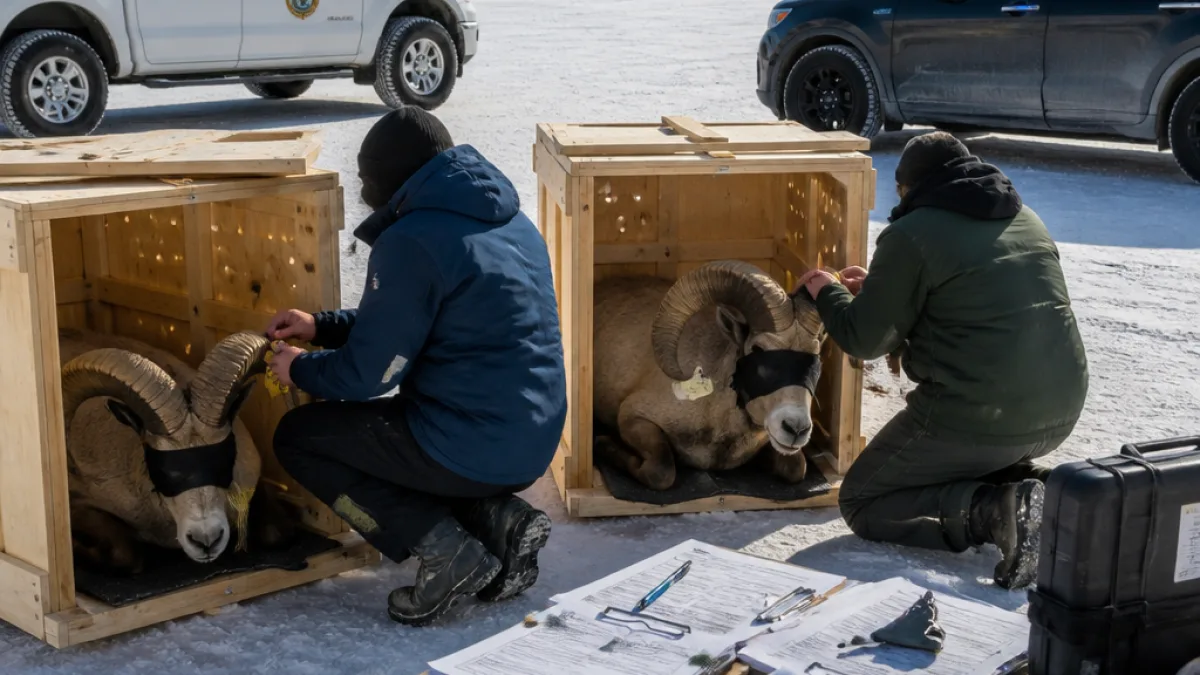
Two thinhorn rams illegally taken in the Yukon have been returned to the territory following a cross-border investigation that produced guilty pleas, multiple fines and the forfeiture of weapons and trophies, officials said in a joint statement.
Joint enforcement led to restitution and seizures
The Yukon government, the U.S. National Park Service and Alaska Wildlife Troopers said the animals were handed back to Yukon officials during an enforcement meeting in May. The case began after a cooperative patrol along the border in August 2022 aimed at deterring and detecting unlawful hunting.
Three American hunters pleaded guilty in Yukon territorial court in December 2024 to unlawfully harvesting the sheep in the territory while reporting the kills as having occurred in Alaska. In addition to fines levied by Yukon courts, the trio faced related federal charges in Alaska.
“The significant outcome of this case underscores the serious consequences of illegal cross-border activity and sets a strong precedent for higher penalties against those who violate wildlife laws,”
The joint statement said the hunters were ordered to forfeit their firearms and the two rams and their horns. It also noted that restitution ordered by the U.S. District Court in Alaska has been paid in full.
Penalties and outcomes
The financial and legal consequences spanned both jurisdictions. Yukon court penalties were directed to a territorial conservation fund, while U.S. federal sanctions included restitution payments.
| Jurisdiction | Penalty type | Amount |
|---|---|---|
| Yukon territorial court | Fines (three hunters) | $10,000 each |
| Yukon territorial court | Additional fines for wasting meat (two hunters) | $3,500 each |
| U.S. District Court (Alaska) | Restitution | US$58,200 (paid) |
| U.S. District Court (Alaska) | Fines | US$5,000 each |
The combined penalties across both countries amount to more than $100,000, according to the agencies’ statement.
Local context and implications
Thinhorn sheep are an integral part of Yukon’s mountain ecosystems and hold cultural and recreational value for residents. The case highlights the challenges of policing a long, remote international border and the need for co-operation between Canadian and U.S. wildlife enforcement to protect shared wildlife resources.
Officials said the prosecution and subsequent penalties demonstrate the consequences for those who flout hunting regulations and misreport harvest locations. The Yukon-directed fines were ordered paid into the territory’s Turn in Poachers and Polluters Fund, which supports enforcement and conservation efforts.
- Three American hunters pleaded guilty in Yukon territorial court to illegally harvesting two thinhorn sheep.
- Fines, forfeitures and probation were imposed in both Yukon and U.S. courts; restitution ordered in Alaska has been paid.
- The two rams and their horns, plus the hunters’ firearms, were forfeited and returned to Yukon authorities.
For Yukoners who hunt, guide or recreate on the land, the case serves as a reminder to keep accurate harvest records and to familiarise themselves with territorial regulations. It also reinforces the message that enforcement agencies on both sides of the border will pursue allegations of illegal harvesting.
— Yukon correspondent