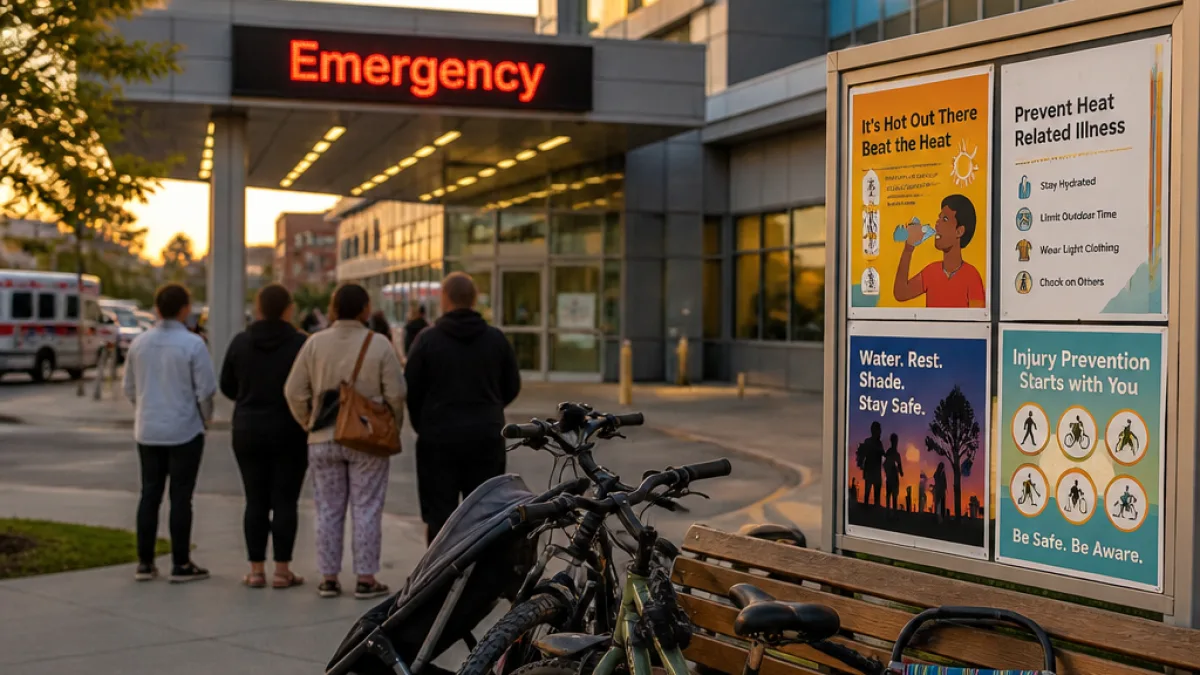
Alberta emergency departments are calling for greater caution this summer as outdoor activity and seasonal events contribute to a rise in injuries that bring people through hospital doors.
ERs see seasonal surge
With warmer weather drawing people outside for recreation, work and travel, provincial hospitals are reporting a noticeable uptick in the kinds of injuries that commonly present to emergency rooms during the summer months. Health-care providers say many of those visits are preventable with basic safety measures.
“We see more cuts, sprains, broken bones and heat-related concerns when the weather improves,” said one emergency physician contacted by InfoRadar. Hospitals remind the public that even routine outings can result in serious harm requiring urgent care.
Local impact and hospital capacity
Higher volumes of urgent but non-life-threatening visits can lengthen waits for everyone, including patients with critical illnesses. Emergency departments across the province are managed regionally, and capacity can be affected by staffing levels, seasonal illness, and sudden spikes from incidents such as multi-vehicle collisions or mass-participation events.
To reduce pressure on emergency services, health officials recommend that people consider alternatives for minor injuries and illnesses, such as urgent care centres, walk-in clinics and virtual health services, when appropriate.
- Seek ED care for signs of life-threatening conditions: severe breathing difficulty, uncontrolled bleeding, loss of consciousness, chest pain, or major trauma.
- Use urgent care or primary care for cuts that may need stitches, minor fractures, sprains, and non-severe infections.
- Prevent injuries by planning activities with safety equipment, staying hydrated, and monitoring weather and air-quality advisories.
Common summer injuries and prevention
Emergency departments typically treat a range of summer-related issues. The table below pairs common injury types with straightforward prevention steps.
| Injury/issue | Prevention |
|---|---|
| Fractures and sprains | Wear proper footwear, use protective gear, warm up before activity |
| Cuts and lacerations | Handle tools and grills carefully; carry a first-aid kit |
| Heat-related illness | Hydrate, rest in shade, avoid peak heat hours |
| Water-related injuries | Use life jackets, supervise swimmers, follow local advisories |
Environmental factors such as poor air quality from wildfires can also limit outdoor activity and aggravate respiratory conditions. Residents should check Environment Canada and local health advisories before planning outdoor events.
Emergency departments and health authorities encourage Albertans to balance enjoyment of summer activities with common-sense precautions to protect themselves and reduce avoidable strain on hospital services.