
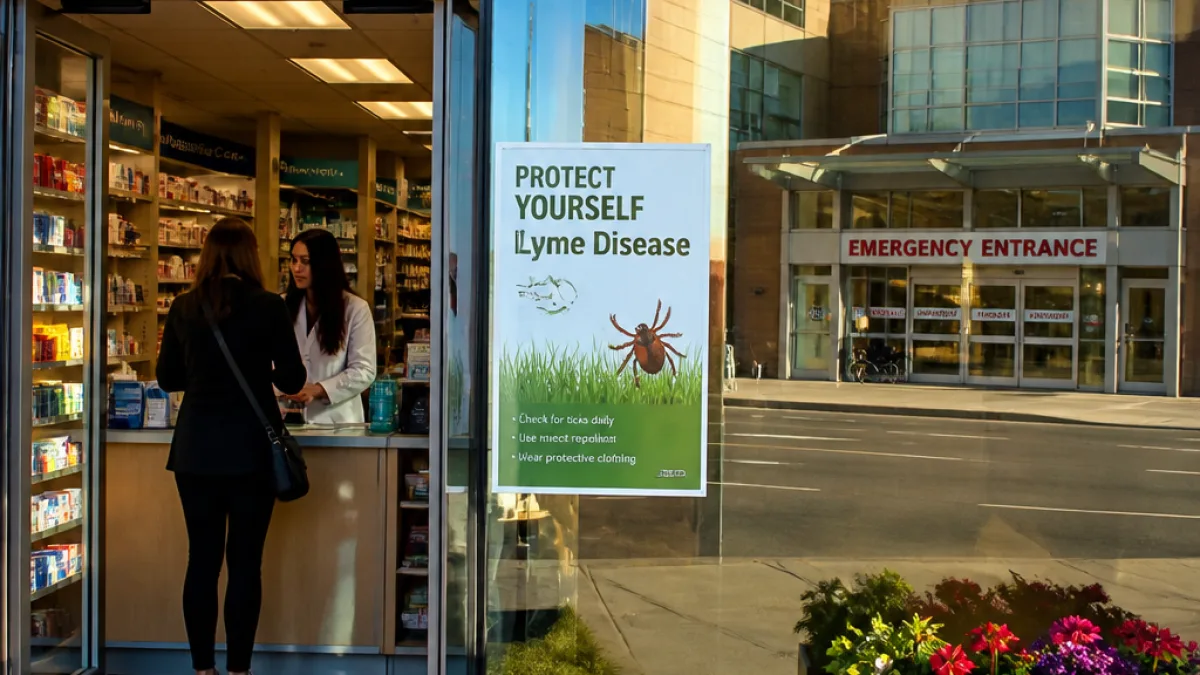
Nova Scotia’s decision to let pharmacists prescribe preventive medication for early signs of Lyme disease has coincided with a substantial drop in emergency department visits for tick bites, according to research from Dalhousie University.
What the study found
Researchers compared emergency-room attendance for tick bites at three Nova Scotia hospitals before and after pharmacists were given authority to provide preventive treatment in 2021. They found the rate of visits fell by about 50 per cent following the policy change.
"It frees up the emergency department to see patients who need their care," said Emily Black, the study's lead author.
The decline represents a notable shift in demand on hospital emergency services in a province that has the highest reported incidence of Lyme disease in Canada.
Why the change matters
- Reduced ER pressure: Fewer tick-bite visits can allow emergency departments to prioritise more urgent cases.
- Access to timely care: Pharmacists are often more accessible without an appointment, which can speed up preventive treatment for early tick exposure.
- Policy precedent: Nova Scotia is among six Canadian jurisdictions where pharmacists can prescribe preventive Lyme treatment and, in 2024, became the first province to allow pharmacists to provide early treatment to people already diagnosed with Lyme disease.
Local context and implications
Nova Scotia’s experience provides an evidence point for other provinces considering expanding pharmacists’ scope of practice for infectious diseases. The study authors suggest that broader pharmacist prescribing could reduce unnecessary emergency visits and improve the health system’s efficiency.
The research looked at three hospitals and compared visit rates before and after the 2021 change; the headline finding is a near halving of emergency visits related to tick bites. The study’s lead author highlighted the effect on emergency departments but did not suggest pharmacists replace other parts of the Lyme-care pathway.
| Metric | Before 2021 | After 2021 |
|---|---|---|
| ER visits for tick bites | Baseline | ~50% reduction |
Health-care planners will likely watch for follow-up studies that examine outcomes such as timeliness of antibiotic use, rates of confirmed Lyme disease after pharmacist intervention, and impacts across rural and urban communities.
For Nova Scotians, the change means another pathway to prompt care after a tick exposure: pharmacists in the province can provide preventive treatment for early signs and, since 2024, also offer early treatment for those already diagnosed — a policy shift that appears to be easing demand on emergency departments.