
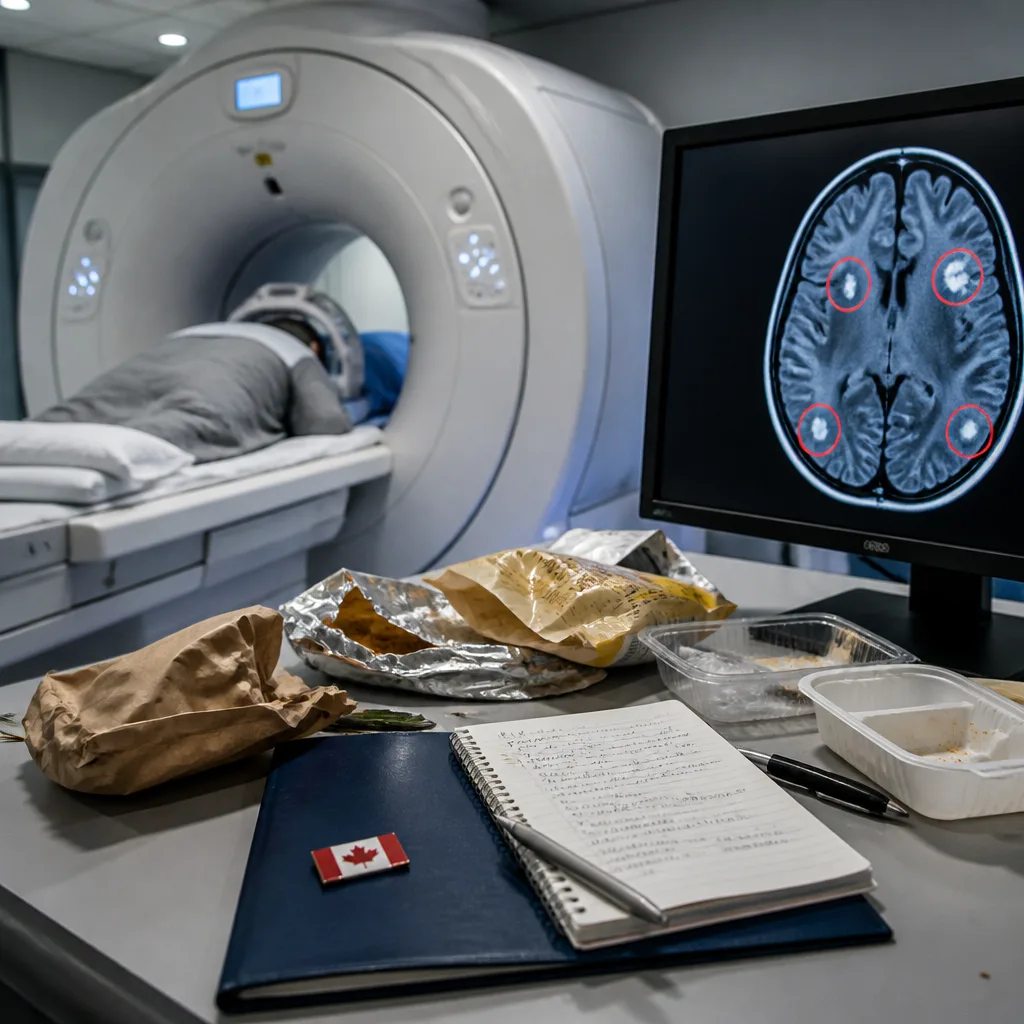
The highest consumers of ultra‑processed foods in a large Canadian sample were more likely to show early markers of brain injury on magnetic resonance imaging (MRI), researchers report — findings that may signal elevated long‑term risk for stroke and cognitive decline.
Study design and main findings
Investigators analysed data from about 8,800 adults aged 35 to 69 with no history of heart disease. Participants completed a diet recall covering the previous year, underwent body‑fat assessment, had brain MRI scans and took tests of memory, attention and other thinking skills.
On MRI, researchers looked for two established indicators of small‑vessel brain injury: silent infarcts (small areas of tissue damage from blocked blood flow that cause no obvious symptoms) and white matter hyperintensities (spots that reflect damage to the brain’s small blood vessels).
Participants were grouped into quartiles by the share of daily calories coming from ultra‑processed foods. Those in the lowest quartile consumed about 16% of calories from ultra‑processed foods; the highest quartile obtained about 45%. Compared with the lowest consumers, people in the highest group were roughly 40% more likely to have the MRI signs under study.
| Dietary group | Share of calories from ultra‑processed foods |
|---|---|
| Lowest quartile | ~16% |
| Highest quartile | ~45% |
“These changes aren’t considered harmless,” said Russell J. de Souza, ScD, RD, an associate professor at McMaster University, noting similar brain differences have been linked with higher risks of stroke, cognitive decline and dementia.
What the scans showed — and what they did not
Although the MRI findings are described as early warning signs that can appear years before clinical stroke or measurable memory problems, the study did not find that higher ultra‑processed food consumption translated into immediate deficits on cognitive tests in this cohort.
The authors point out that MRI‑visible silent infarcts and white matter changes have been associated in prior studies with later disability and increased mortality, which underlines the potential long‑term significance of the current results.
Context and implications
Ultra‑processed foods are typically energy‑dense and low in essential nutrients; previous research has linked them with obesity, type 2 diabetes and heart disease. This study extends concern to brain health, suggesting diet composition may affect small‑vessel integrity well before clinical symptoms emerge.
- Population: ~8,800 Canadian adults, 35–69 years, no prior heart disease
- Exposure: proportion of daily calories from ultra‑processed foods
- Outcomes: silent infarcts and white matter hyperintensities on MRI
Researchers recommend further work to clarify causation, mechanisms and whether reducing ultra‑processed food intake can reverse or slow the progression of these brain changes. The results contribute to a growing body of evidence prompting clinicians and public‑health officials to consider dietary patterns as a modifiable factor in preserving long‑term brain health.
This report summarises the study findings and prevailing expert interpretation; it does not provide individual medical advice. Individuals with concerns about diet or brain health should consult a qualified health professional.