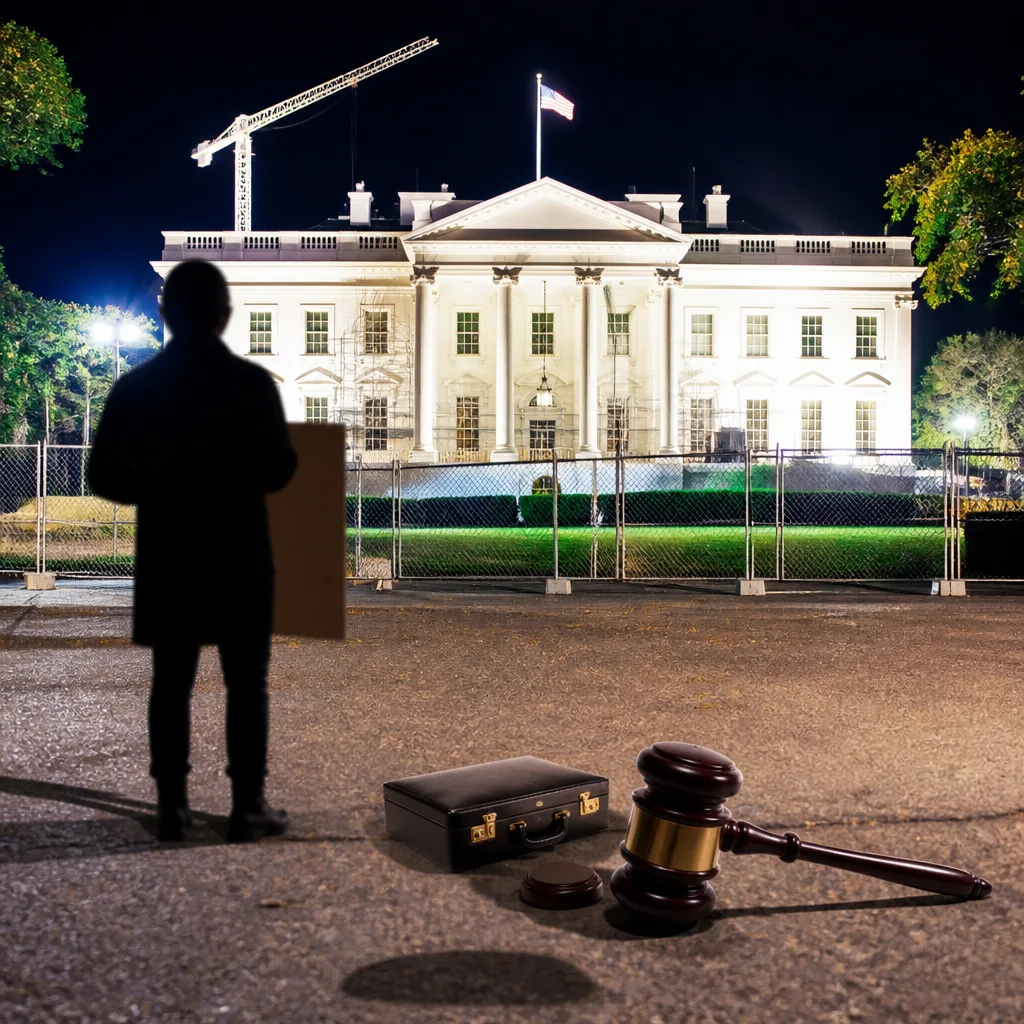
The U.S. Supreme Court on Monday permitted construction to continue on a planned US$400-million ballroom at the White House while related lawsuits move through lower courts, in a decision that temporarily favours the administration.
What the court decided
The unsigned order, issued by a sharply divided court, did not adjudicate the underlying lawfulness of the renovation. Instead, the majority concluded that the preservation group challenging the project likely lacks the legal standing to pursue its claims, and therefore allowed construction to continue for the time being. The move replaces an earlier temporary order and forestalls a court-ordered halt that was about to take effect.
Split among justices and dissent
Chief Justice John Roberts publicly dissented, joined by the court’s three liberal justices. In a strongly worded opinion, he criticised the project as “likely unlawful” because it proceeded without express approval from Congress and warned of threats to the separation of powers.
"Today's decision is no victory for the separation of powers."
The broader majority did not reach the merits question of whether the president possesses unilateral authority to undertake such renovations; instead it focused on procedural grounds related to who may bring the suit.
Administration rationale and litigation background
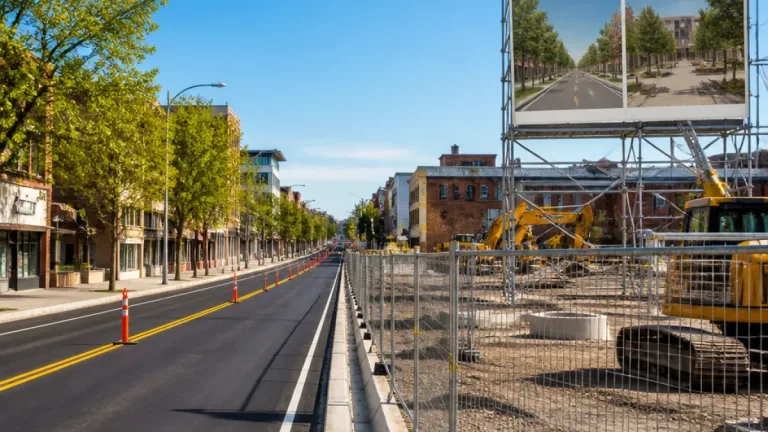
Government lawyers have argued that the renovation — which has included demolition of portions of the East Wing and rapid, round-the-clock construction — must be completed for national-security reasons. When the project was initially announced, the White House said it would be financed by private donations, but courts later found the work required congressional approval.
The National Trust for Historic Preservation brought the lawsuit, contending the president lacks unilateral power to carry out the renovations. Plaintiffs’ lawyers accused the administration of accelerating work to outpace judicial review.
- Decision makeup: a narrow majority allowing continued work; a four-justice dissent including Chief Justice Roberts.
- Immediate effect: construction may proceed while lower-court litigation continues.
- Key legal point: the majority rested its action on standing rather than resolving the legality of the project.
Timing and consequences
Legal documents indicate portions of the ballroom could be finished within months — a rapid schedule compared with typical federal litigation. The case will return to the lower courts, meaning decisions on substantive questions of executive authority and statutory compliance remain unresolved.
The ruling has institutional implications beyond the immediate project. It raises questions about avenues for third-party groups to challenge executive actions affecting federal property, the scope of presidential authority over White House renovations, and the circumstances under which the judiciary will intervene in disputes involving national security claims.
| Item | Detail |
|---|---|
| Project cost | US$400 million |
| Size | Approximately 90,000 square feet (planned ballroom footprint) |
| Court split | 5-4 order with public dissent from Chief Justice Roberts |
The decision marks a significant moment in the ongoing tug-of-war between the executive branch and preservation advocates over control of the historic presidential residence, but the ultimate legal outcome — and the precedent it may set — will be decided in the lower courts as the litigation proceeds.