Tornado touches down, prompts county-wide cleanup
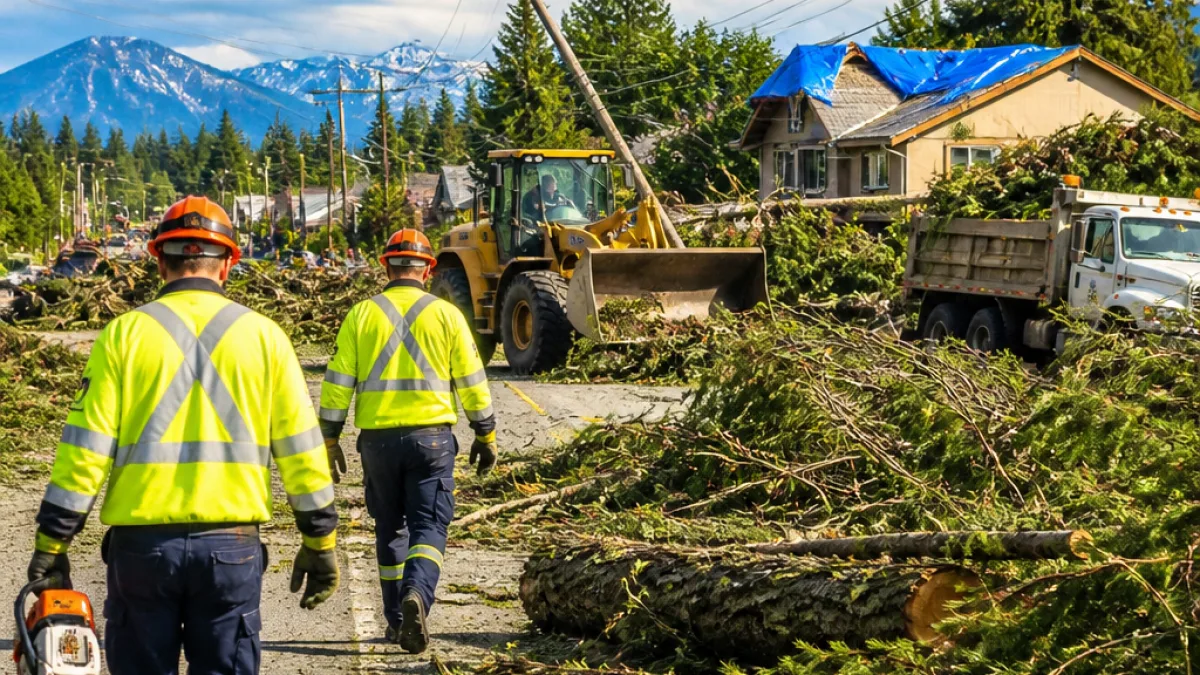
Crews in Clearwater County spent Sunday clearing fallen trees and debris after a tornado struck central Alberta late Saturday, damaging homes and blocking roads in parts of the county, including the Town of Rocky Mountain House. The county said the twister moved through some areas at about 6:30 p.m., leaving what local officials described as significant damage in select locations. No injuries have been reported.
County staff said on social media that transportation routes were obstructed by downed trees and scattered material, and that work was underway to restore safe access. Homeowners in the affected zones were urged to give crews room to operate while assessments and debris removal continue.
Stormy pattern heightens tornado risk
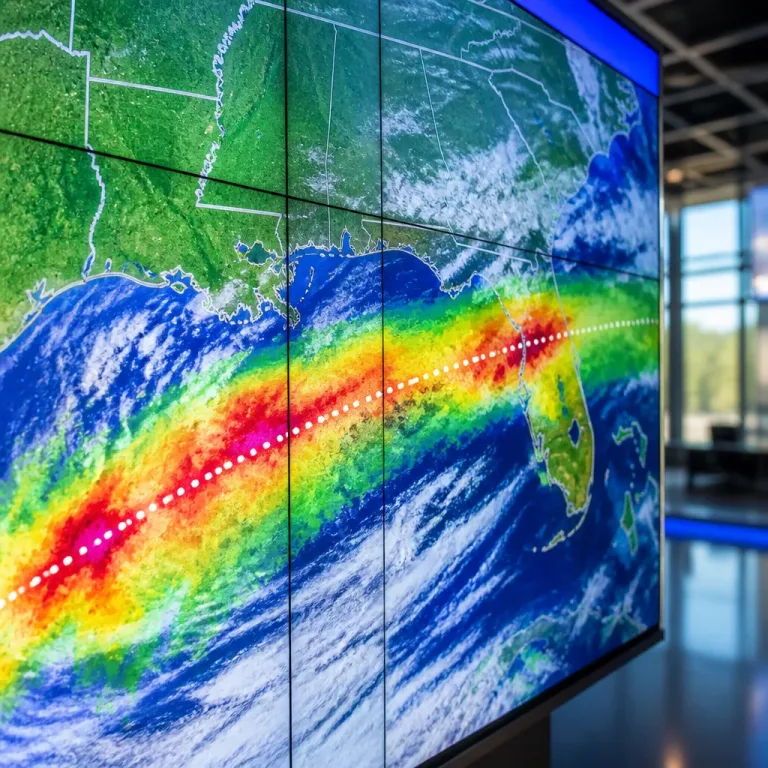
Environment Canada has flagged an unusually wet and stormy start to summer across Alberta, a pattern that can prime the atmosphere for rotating thunderstorms capable of producing tornadoes. As of last week, the province had recorded about 25 tornadoes this year — a pace the federal forecaster notes is elevated, running about 10 more than Alberta and Saskatchewan typically see combined in a full year.
Rainfall has been a prominent feature of the season. Edmonton saw record-breaking precipitation in June and was on track to challenge monthly records again in July, according to the agency. Sustained moisture, paired with intermittent heat and wind shear, increases the odds of severe convection and localized damaging wind events.
Damage overview and what residents should know
Initial reports from the county indicate the tornado felled numerous trees and damaged several residences. While officials have not released a full inventory of impacts, transportation and utility crews have focused first on clearing priority roadways, ensuring emergency access and reducing immediate hazards where debris remains near public rights-of-way.
- Areas affected: Clearwater County, including Rocky Mountain House.
- Injuries: No injuries acknowledged by authorities as of Sunday.
- Roads: Multiple routes were initially blocked by fallen trees and debris; clearance efforts are ongoing.
Residents in storm-affected neighbourhoods are encouraged to monitor official county channels for updates on road access and waste disposal guidance related to storm debris. Environment Canada’s public alerting page remains the primary source for the latest severe weather advisories and thunderstorm watches and warnings.
How this season compares
While Alberta sits within Canada’s “tornado alley,” the current tally highlights how active conditions have been. The combination of saturated ground, repeated storm systems and favourable upper-level winds has supported frequent thunderstorm development. For many communities on the central and northern Prairies, that has meant near-daily attention to forecast updates and rapidly changing skies.
| Measure | Detail |
|---|---|
| Tornadoes in Alberta (as of last week) | About 25 |
| Difference vs. typical AB+SK combined | About +10 this year |
| Edmonton rainfall | Record-breaking in June; July tracking toward another record |
Next steps and staying informed
County operations will prioritize clearing high-traffic corridors, evaluating structural damage and removing hazardous debris. Residents who encounter hazardous conditions on public property should avoid the area and report issues through official county contacts, leaving space for responders. Property owners planning private cleanup are advised to follow local guidance on waste sorting and disposal once it is posted by the municipality.
With severe weather still possible, Albertans should continue to check Environment Canada advisories for thunderstorm watches, warnings and any future tornado alerts. Quick shifts in storm intensity are common during active patterns, and timely information is key to staying safe.