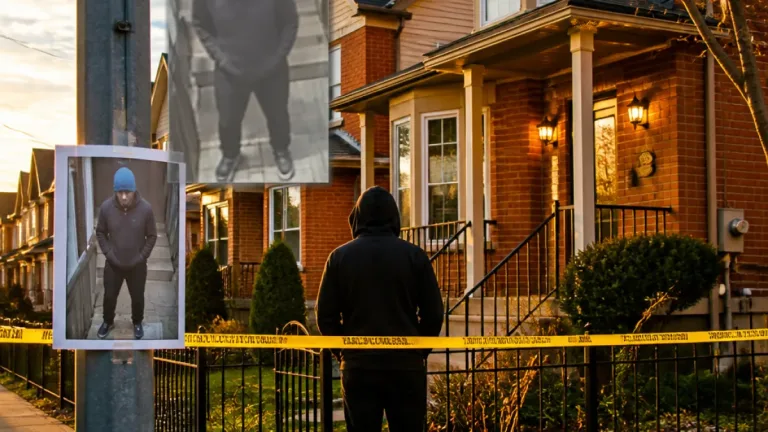

Psychiatric assessments ordered in the case of two men accused of spray-painting antisemitic graffiti at three Halifax locations last September have been completed, and the medical reports conclude there were no signs that mental disorders made the pair not criminally responsible for their alleged actions.
What the reports say and what comes next
The finding — that doctors did not identify mental disorders sufficient to support a defence of not criminally responsible on account of mental disorder (NCRMD) — means the criminal process will continue on ordinary footing. The two accused face charges related to the vandalism and alleged hate-motivated conduct at multiple sites in Halifax in September 2025.
"Doctors find no signs that mental disorders made pair not criminally responsible for their alleged actions."
With the forensic assessments concluded, Crown counsel and defence lawyers will have access to the reports and can use their contents at pre-trial stages or in court. The assessments do not themselves determine guilt or innocence; rather, they address whether mental disorder would legally excuse criminal responsibility for the acts as alleged.
Local context and community impact
The graffiti incidents last fall prompted concern across Halifax about hate-motivated offences and the safety of targeted communities. The outcome of the psychiatric assessments will be of interest not only to the accused and their legal teams, but also to community groups and residents who have been following the case for signs of how the justice system responds to incidents of antisemitism.
- Incident: Alleged spray-painting of antisemitic graffiti at three Halifax locations, September 2025.
- Accused: Two Halifax men, including Gezim Topalli (identified in court records and media reports).
- Assessment result: Doctors reported no indications that a mental disorder would render the men not criminally responsible.
Legal significance and procedure
Under Canadian criminal law, an NCRMD finding requires medical evidence that an accused was suffering from a mental disorder at the time of the offence and that it rendered them incapable of appreciating the nature or quality of the act or of knowing it was wrong. The recent assessments conclude that threshold was not met here, based on the examinations conducted by forensic psychiatrists or psychologists.
Next steps in the prosecution could include disclosure of the reports to the defence, pre-trial hearings, and scheduling of court dates for contested matters or trial. The assessments themselves are part of due process when mental health questions arise and are distinct from any sentencing considerations that might follow a conviction.
What residents should watch for
Residents can expect court filings to reflect the completion of these assessments and to indicate whether the Crown will proceed to trial or seek other resolutions. Community leaders and advocacy groups may also respond as court proceedings advance, emphasising alternatives such as education, restitution or restorative justice where appropriate for hate-motivated offences.
| Item | Detail |
|---|---|
| When | September 2025 (alleged incidents); psychiatric assessments completed as reported in July 2026 |
| Who | Two Halifax men charged; media reports identify one as Gezim Topalli |
| Finding | Doctors found no signs supporting an NCRMD defence |
The completion of these assessments closes one chapter in the pre-trial process. For Halifax residents, the case remains a reminder of ongoing legal and civic efforts to address and deter hate-motivated actions in the city.