Mississauga's mayor has asked the Ontario government to intervene in how Peel Regional Police costs are shared between Mississauga and Brampton, arguing the current arrangement places an outsized burden on Mississauga taxpayers.
What Mississauga is asking for
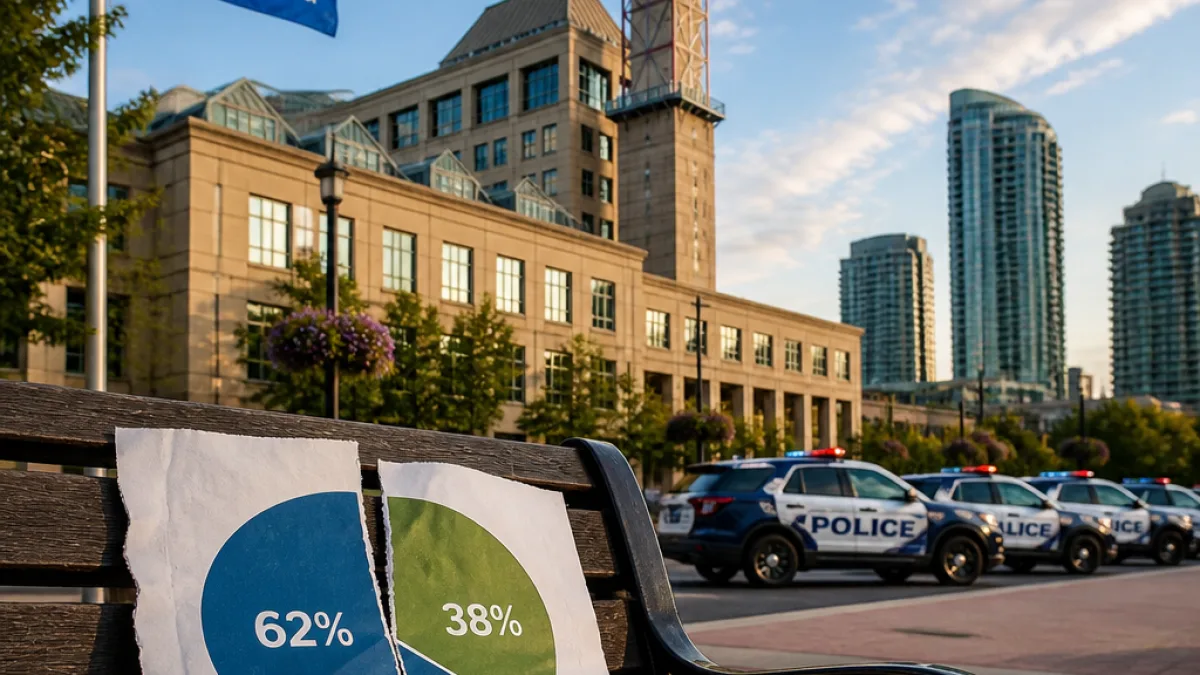
The mayor told a local radio station she wants Premier Doug Ford to correct what she described as a “lack of balance” in the funding formula. According to her figures, Mississauga pays 62 per cent of Peel Regional Police budgets while Brampton pays 38 per cent, and she says that split has endured for roughly five decades.
She told listeners the city is effectively subsidizing policing in Brampton by about $106 million and asked the premier to move to an evened-out split over a planned three-year transition, to limit immediate impacts on the neighbouring city.
“We pay 62 per cent of Peel Regional Police budgets, and Brampton pays 38 per cent… we’ve paid 62 per cent and Brampton has paid 38.”
Brampton's response
Brampton's mayor pushed back, saying Mississauga's higher share reflects policing responsibilities tied to the airport and other units based in Mississauga. He noted the airport authority last year made $35.3 million in payments in lieu of taxes to Mississauga and said that, taken together, those factors explain Mississauga’s proportion of Peel Police staffing and costs.
The Brampton mayor also pointed to a recent Regional Council decision to double the size of the marine unit as part of a new south-end station planned for Port Credit, saying that local votes for new policing projects should not be used as a basis to later complain about operating costs.
Local implications
- Tax impact: Mississauga officials say the higher share has been a recurring pressure on the city’s property taxpayers.
- Service footprint: Disagreement centres on whether cost shares reflect where officers are stationed and special policing needs such as the airport and marine unit.
- Provincial role: Mississauga is seeking provincial adjustment of the cost-sharing formula over a defined transition period.
The dispute raises broader questions about how regional police costs should be allocated when services and special units cross municipal boundaries, and whether historic formulas still match current population and service realities. City leaders from both municipalities have framed the debate in terms of fairness and operational necessity.
| Item | Figure |
|---|---|
| Mississauga share of Peel Police budget | 62% |
| Brampton share of Peel Police budget | 38% |
| Mississauga’s claimed subsidy to Brampton | $106 million |
| Payments in lieu of taxes from GTAA to Mississauga (last year) | $35.3 million |
Neither mayor suggested changes to policing levels; the discussion focuses strictly on who pays what. Mississauga’s mayor said she does not want the neighbouring city to face the same funding pressures abruptly and proposed spreading any rebalancing over three years. Brampton’s mayor asked for clarity on which specific policing positions would change under any reallocation, noting Mississauga already hosts a sizeable portion of regional officers and infrastructure.
The matter may now rest with the provincial government, which oversees regional arrangements and could be asked to approve or redesign the formula that determines municipal contributions to Peel Regional Police.