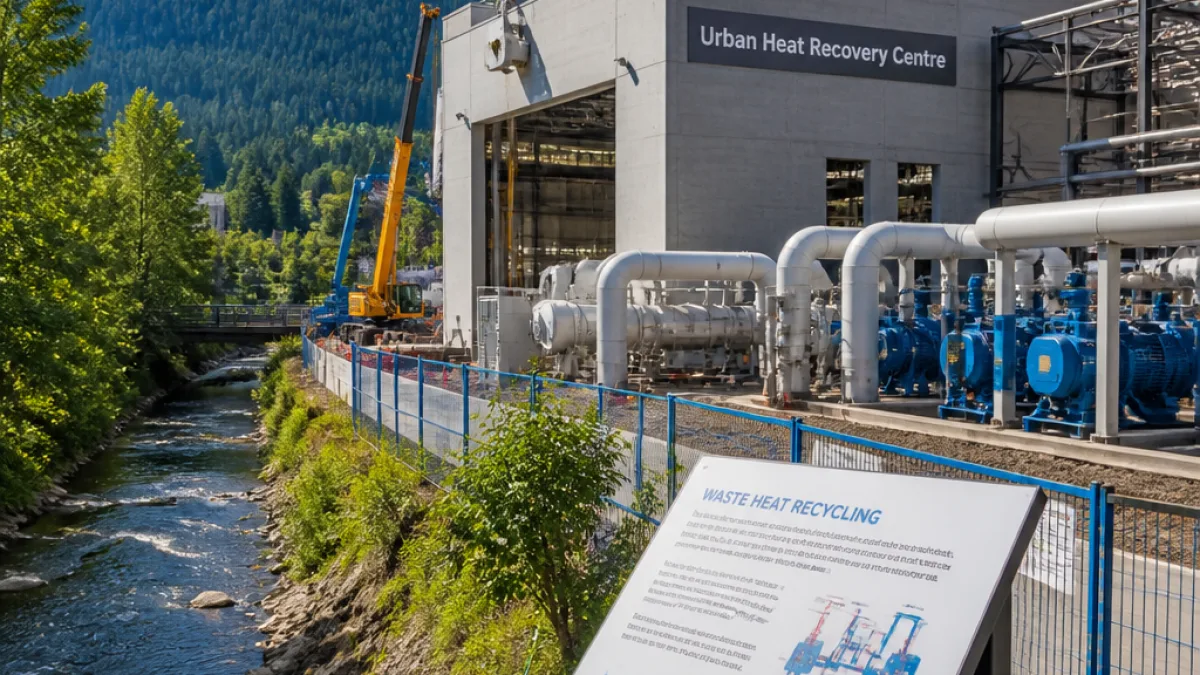
New centre captures waste heat from everyday water use
The City of North Vancouver has begun work on a large-scale Urban Heat Recovery Centre that will collect warm wastewater from homes and businesses, boost it with industrial heat pumps and feed that energy into the local community energy system.
The project, being delivered by Lonsdale Energy, is supported by a combined federal and provincial grant of $17.5 million through the Investing in Canada Infrastructure Program, CleanBC stream. Construction is under way and currently targeted for completion by late-2027.
"captures and recycles that lost heat"
Capacity, reach and climate impact
Once operational the centre is expected to provide about 6 MW of low‑carbon heating capacity and to supply heat to more than 18,000 City residents. Lonsdale Energy projects the facility will serve over 120 buildings in its first year and reduce greenhouse gas emissions by roughly 7,600 tonnes of CO₂e annually.
| Metric | Value |
|---|---|
| Capital grant | $17.5 million |
| Heating capacity | 6 MW |
| Residents served | 18,000+ |
| Annual emissions reduction | 7,600 t CO₂e |
Local context and consequences
Buildings represent a significant share of North Vancouver’s emissions profile, accounting for about 42 per cent of the community’s greenhouse gas output. The new centre is intended to reduce dependence on fossil fuels for heating and to work alongside recently commissioned local infrastructure, including an electric boiler energy centre in Central Lonsdale.
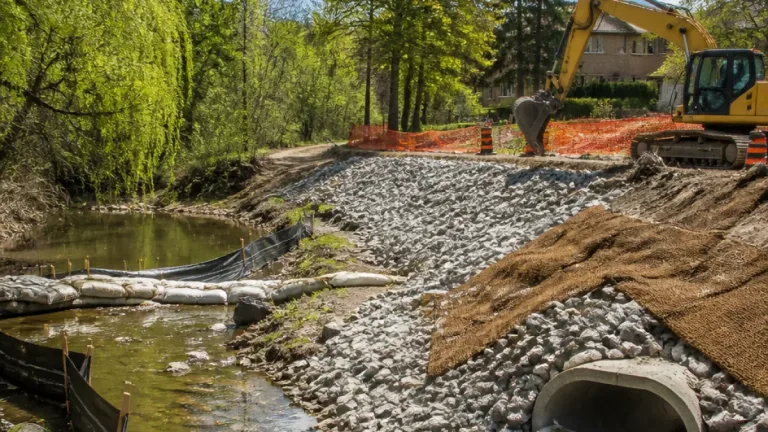
Beyond direct emissions reductions, the project includes environmental upgrades near Mosquito Creek and public-facing educational signage to highlight local energy work and the city’s pathway to lower greenhouse gases. Proponents say these elements aim to link technical investments with visible community benefits.
Implementation and oversight
The facility will use recovered heat from everyday activities — showers, dishwashing and laundry — that release warm water to sewers. Lonsdale Energy will harness this resource and use heat pumps to boost temperatures for distribution through the community energy network. Officials expect the centre to reduce the local fleet-equivalent emissions by the rough equivalent of taking 2,700 cars off the road each year.
- The project is publicly funded through the Investing in Canada Infrastructure Program, CleanBC stream.
- Construction completion is currently scheduled for late 2027.
- The centre complements recent electrification steps within Central Lonsdale’s energy infrastructure.
Questions for residents and council
For North Vancouver residents, the initiative raises practical questions about costs, timelines and the pace of connection for apartment buildings and other large energy users. City council will need to continue monitoring integration with the broader Lonsdale Energy network and how savings and emissions reductions translate into utility rates and tenant impacts.
As the project advances through construction, municipal staff and Lonsdale Energy will be the primary sources for updated schedules, connection timetables and any changes to projected benefits. The centre represents a substantial local application of heat‑recovery technology and will be a test case for similar community-scale projects in the region.