Research stations spared amid federal realignment
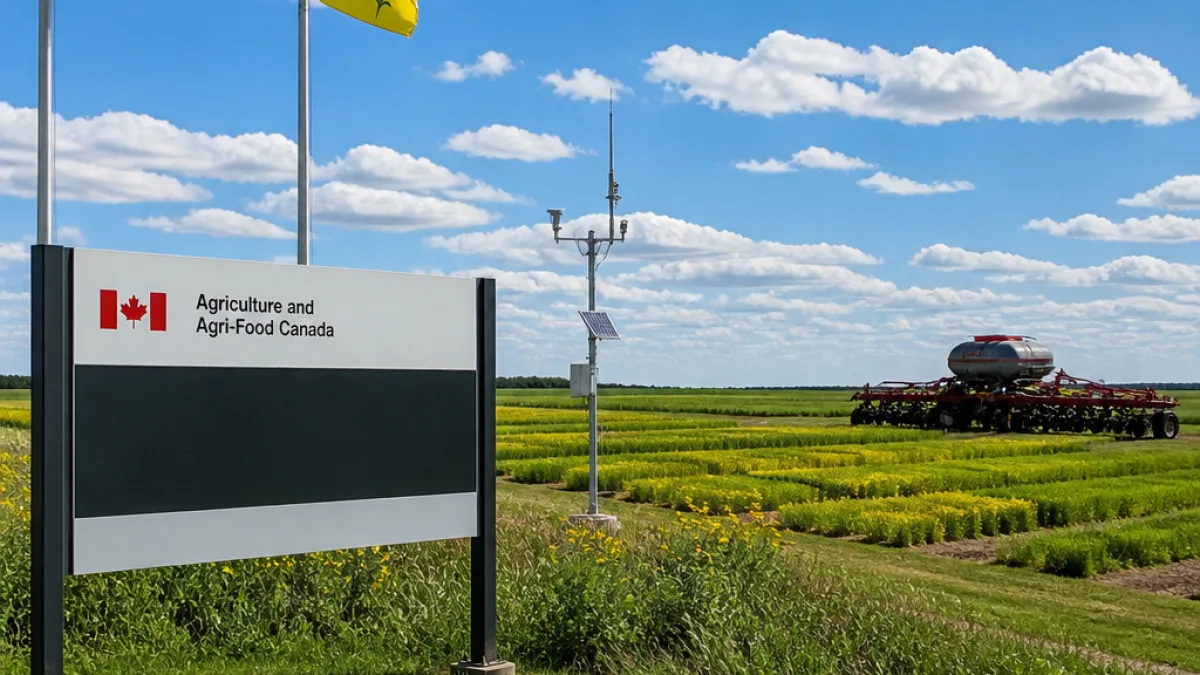
Two cornerstone agricultural research sites in Saskatchewan — the Indian Head and Scott research farms — have been pulled back from the brink of closure, at least in the near term, following a federal–provincial understanding to keep them active. The development comes as Agriculture and Agri-Food Canada (AAFC) pursues a strategic shift to concentrate on science areas it says have the highest potential to drive modernization and innovation across the sector.
The Grain Growers of Canada (GGC) characterized the stations as essential to region-specific trials that sustain productivity, bolster resilience to climate and market pressures, and underpin Canada’s competitiveness in global grain markets. The group warned that while Saskatchewan’s facilities have been safeguarded for now, comparable research capacity remains vulnerable in other parts of the country, urging immediate and stable federal support rather than piecemeal solutions.
Federal and provincial signals
Federal officials have framed the divestment plan as a national restructuring, not a retreat from agricultural science. They said the department no longer requires the specific parcels for its programming, but acknowledged the need to preserve their agricultural legacy and function.
“Agriculture is central to Saskatchewan’s communities and economy, and we want to ensure these properties support ongoing agricultural activities,” MacDonald said in a statement. “While these properties are no longer required for federal programs, we want to ensure this land continues to serve a meaningful purpose. This collaboration with the Province of Saskatchewan demonstrates our shared commitment to maintaining the value of this important agricultural asset.”
At the provincial level, officials underscored how the two stations have supported on-farm profitability and competitiveness by enabling long-term, prairie-adapted research networks and field-scale trials.
“The Indian Head and Scott research farms supported important agricultural research for many years and are an important part of a research network that keeps Saskatchewan agriculture competitive,” Marit stated. “This MOU will see the Governments of Saskatchewan and Canada work together to ensure agricultura
Why these sites matter to producers
Producers rely on trials carried out under Saskatchewan conditions — soil types, precipitation patterns, and disease and pest pressures — to inform choices on varieties, fertility, crop protection, and management practices. The Indian Head and Scott sites have long anchored that work, supporting extension efforts that move results from plots to fields.
- Regionally relevant data: Local trials reduce risk by testing inputs and practices under prairie conditions.
- Resilience and competitiveness: Research helps farms adapt to variable weather and shifting markets while meeting quality specs.
- Public-good science: Stable, publicly funded research complements private R&D and fills gaps not covered by commercial programs.
The GGC cautioned that incremental or temporary measures are inadequate, calling for a consistent and well-funded research framework to keep pace with global demand and maintain Canada’s standing in export markets. The organization said it will continue working with governments and industry to secure capacity across the national network.
What “saved for now” means
Federal officials indicated the properties are not needed for AAFC’s current programming. However, the arrangement with Saskatchewan aims to keep the lands serving a meaningful agricultural purpose, even as Ottawa concentrates its internal resources elsewhere. The province and federal government are operating under a memorandum of understanding (MOU) intended to maintain the sites’ value to producers and researchers during the transition period.
For farm groups, the priority is continuity: that long-term trials are not interrupted, infrastructure remains accessible, and expertise does not disperse. Maintaining that continuity helps ensure multi-year data series — critical for evaluating rotations, soil health, and agronomic practices — are not broken.
At a glance: sites and status
| Research site | Role | Current status |
|---|---|---|
| Indian Head | Prairie-focused field trials and agronomy | Operational under federal–provincial understanding |
| Scott | Regional research, cropping systems | Operational under federal–provincial understanding |
Looking ahead
While the two Saskatchewan stations are continuing their work, stakeholders note that research capacity in other regions may still face uncertainty as AAFC’s realignment proceeds. Producer groups argue that predictable, multi-year federal commitments are essential to avoid gaps in applied research and extension services.
For now, the message from both levels of government is that the legacy and utility of these Saskatchewan properties will be respected. The province and Ottawa have signalled a shared interest in keeping the land focused on agricultural activity — and in preserving the research network that producers count on.