Replanting drive targets wildfire-hit areas in northern Saskatchewan
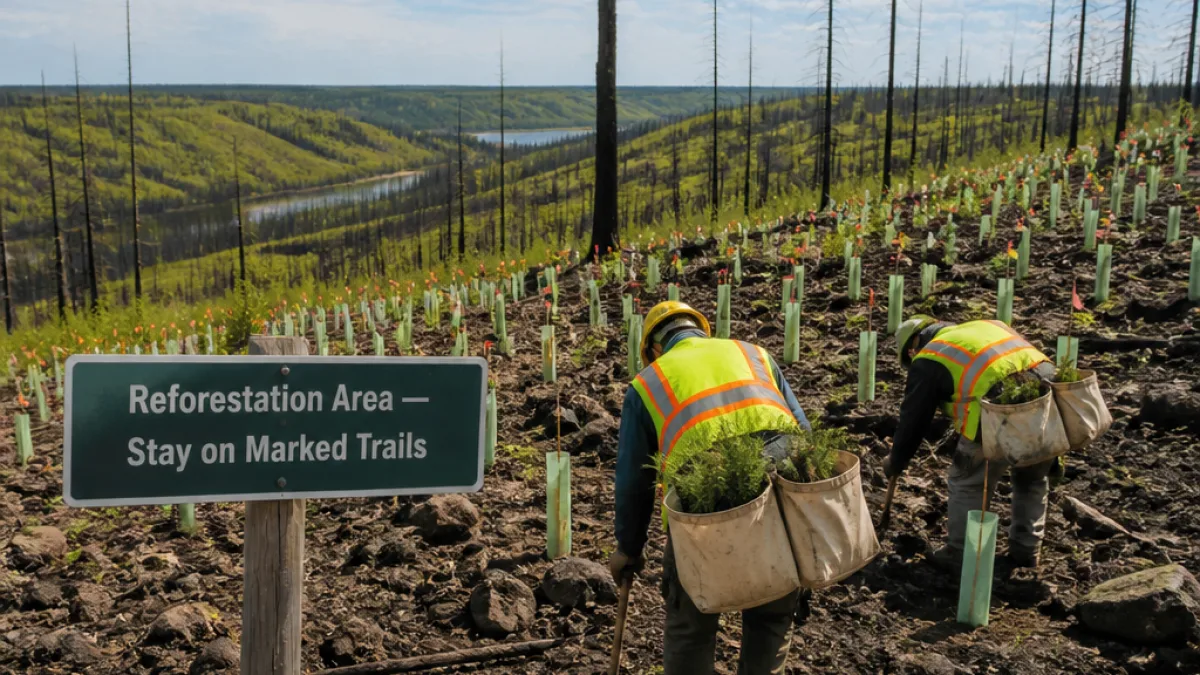
Over 81,000 tree seedlings have been planted in Narrow Hills Provincial Park as part of an ongoing effort to help the forest recover from recent wildfires in northern Saskatchewan. The planting, noted by the province with an accompanying photo, signals a tangible step toward stabilizing landscapes that have endured repeated fire seasons and sustained ecological stress.
While wildfire is a natural part of boreal ecology, the intensity and extent of burns can leave areas vulnerable to erosion, suppress natural regeneration in the near term, and disrupt habitat. Reforestation in a high-profile public park such as Narrow Hills also carries community importance: residents, outfitters and visitors rely on healthy treed areas for recreation, tourism and cultural connections to the land.
Why the seedling count matters
Replanting at this scale helps jump-start canopy recovery and ground cover in zones where natural reseeding may be slow. Early establishment of young trees supports soil stability, moderates surface temperatures, and creates conditions for understory plants and wildlife to re-establish. Evenly distributed plantings also help reduce the risk of invasive species gaining a foothold in disturbed ground.
| Location | Action | Purpose |
|---|---|---|
| Narrow Hills Provincial Park (northern Saskatchewan) | 81,000+ seedlings planted | Accelerate recovery from wildfire impacts |
Recovery in a public park setting
Narrow Hills is a cornerstone of outdoor life in northern Saskatchewan, drawing anglers, paddlers, hikers and campers to its forests and lakes. Post-fire reforestation in a park context does more than restore scenery; it helps protect shorelines and trails from washouts, keeps sediments out of water bodies, and supports the return of shade-dependent species that define the local experience.
Reforestation also intersects with safety. In burn zones, weakened root structures and exposed slopes can create unstable ground and deadfall hazards. Establishing a new generation of trees contributes to long-term stability across trail corridors and recreation sites, supporting the safe reopening and use of these landscapes as conditions allow.
What residents and visitors should keep in mind
- Expect evolving conditions in recently burned areas and follow all posted notices in and around the park.
- Stay on designated routes to protect fragile seedlings and newly restored ground cover.
- Practise clean travel: brush off boots and gear to avoid transporting invasive seeds into recovering sites.
In forest systems shaped by fire, replanting complements natural regeneration by providing a head start where seed sources were lost or soils were significantly disturbed. As trees take hold, the benefits compound—cooler stream margins, improved wildlife cover, and renewed carbon storage across the landscape.
Looking ahead
The planting noted for Narrow Hills highlights the broader push to repair wildfire damage and sustain public access to Saskatchewan’s northern parks. While forest renewal spans many seasons, these seedlings represent a visible investment in the park’s future. Visitors can expect the landscape to evolve year by year as young trees mature, understories thicken and habitats diversify once more.
The province’s confirmation of the 81,000-plus plantings underscores the scale of the undertaking in a single park. Continued monitoring, responsible recreation and adherence to any on-site guidance will help ensure the new plantings survive critical early years and anchor a full recovery.