Mayor praises city as officials warn of a lengthy financial review
Toronto Mayor Olivia Chow described the city’s hosting of matches for the 2026 FIFA World Cup as an “unquestionable success,” while city staff say it will likely be months before a complete picture of costs and economic benefits is known.
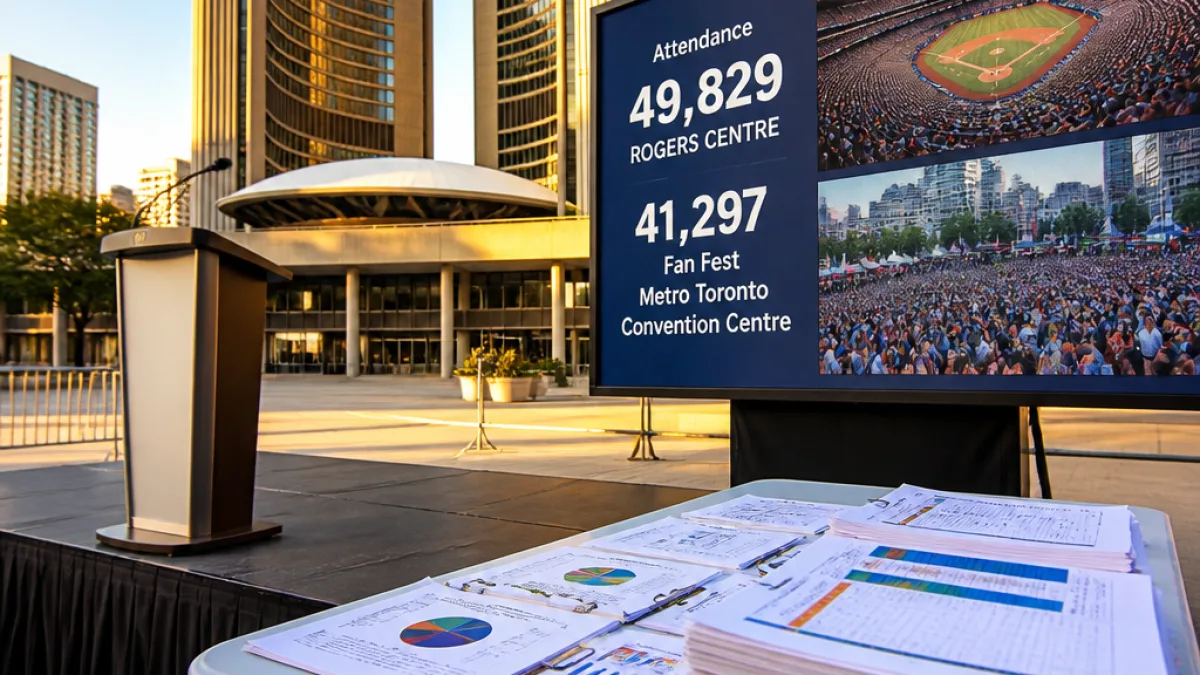
The city hosted six matches during the tournament and recorded large public attendance across official venues. City figures released at a news conference show about 250,000 people attended matches at Toronto Stadium, roughly 350,000 took in games at the FIFA Fan Fest at Fort York and an additional 60,000 attended watch parties at Nathan Phillips Square.
| Venue | Approximate attendance |
|---|---|
| Toronto Stadium (matches) | 250,000 |
| FIFA Fan Fest, Fort York | 350,000 |
| Nathan Phillips Square watch parties | 60,000 |
City hall set an overall $380 million budget for hosting the World Cup, with the city’s share identified as $178.7 million. The plan called for that municipal portion to be largely funded through a hotel levy, sponsorships and other revenues, rather than direct taxpayer contributions.
“It was a once in a lifetime, a once in a generation for our city and we saw Toronto come alive in a way that was truly special,” Mayor Chow said. She added it was important that “not any dime or dollar” come from taxpayers and said the city ultimately “kept to that promise.”
City Manager Paul Johnson urged caution about drawing final conclusions on the budget. He said while he does not believe additional expenses during the 39‑day tournament were likely to produce dramatic overruns, it could take an extended period to understand the full financial picture.
As part of that review, officials will also examine whether the widely publicized estimate of nearly $1 billion in economic impact from hosting the World Cup actually materialized. City staff have not published a final reconciliation of revenues, costs and longer‑term benefits. Officials noted that some industry groups had reported mixed signals on tourism occupancy during parts of the tournament.
What comes next for Toronto
- City staff will undertake a detailed financial reconciliation to confirm actual costs and revenues related to hosting.
- Officials will assess whether the expected economic benefits — including the near‑$1 billion estimate — were realized.
- Any shortfalls in projected non‑tax revenue will be monitored to ensure municipal finances remain balanced as promised.
The World Cup brought sustained attention and large crowds to Toronto over the tournament period. Municipal leaders framed the event as a major civic moment, while signalling that accountability on public spending and clear reporting back to residents will follow once the city completes its post‑event financial review.