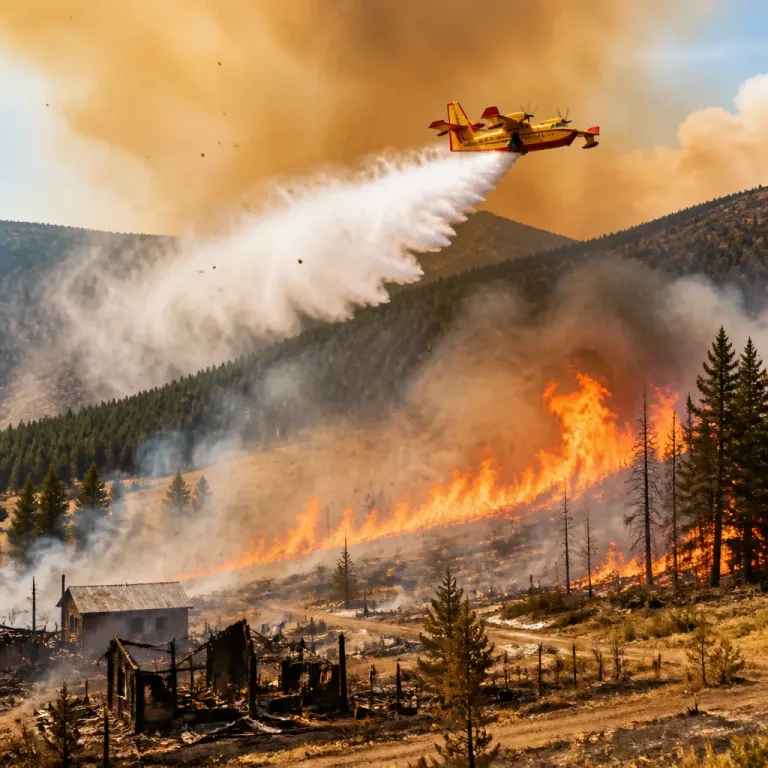
British Columbia officials warned residents on Tuesday to prepare for a possible surge in wildfire activity in the coming days as bone-dry fuels combine with forecasted lightning strikes, particularly across the southern two-thirds of the province.
Conditions primed for new ignitions
The director of wildfire operations for the BC Wildfire Service, Cliff Chapman, told a news conference that vegetation and other fuels are "as dry as they can get," leaving much of the province highly susceptible to fire starts and rapid spread.
"What dry lightning means is that we will see high winds, lightning hitting the ground, and it will come with very little or no precipitation leading to a very high potential of wildfire starts and wildfire spreads," Chapman said.
Forecasters were specifically concerned about a period of so-called "dry" lightning over the next 48 hours, with the southern parts of B.C., close to the U.S. border, singled out as areas at particular risk. The BC Wildfire Service said crews are on alert and prepared to respond to new blazes.
Broader impacts: water and ecosystems under strain
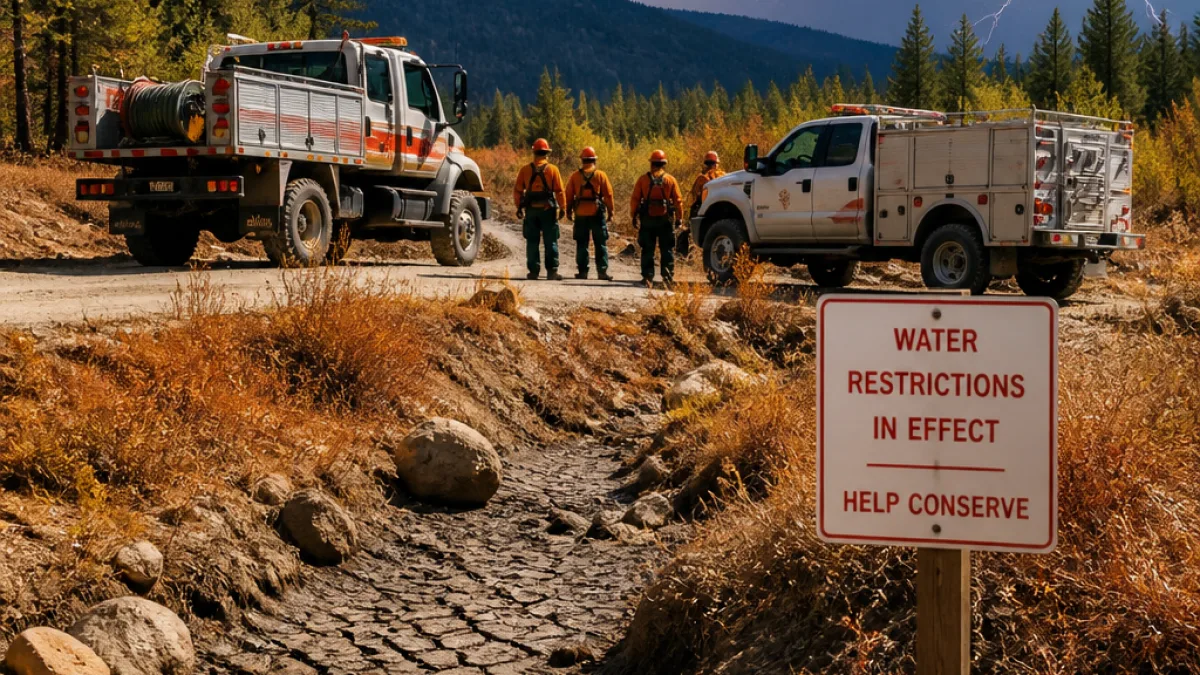
Alongside fire risk, drought and diminished stream flows are creating additional pressures on water supplies and aquatic habitat. Water Minister Randene Neill explained that declining stream volumes and rising water temperatures increase risks to fish and other species.
- High fire risk: southern two-thirds of the province facing elevated potential for new starts.
- Dry lightning: forecasted strikes with little accompanying rainfall over 48 hours.
- Water stress: record-low stream flows reported in parts of the Okanagan and elsewhere.
Minister Neill said that local authorities set water restrictions but the province could impose temporary protection orders if necessary, for example to protect juvenile salmon. Such decisions, she said, would be "guided by science, local knowledge and Indigenous knowledge."
What residents should know and do
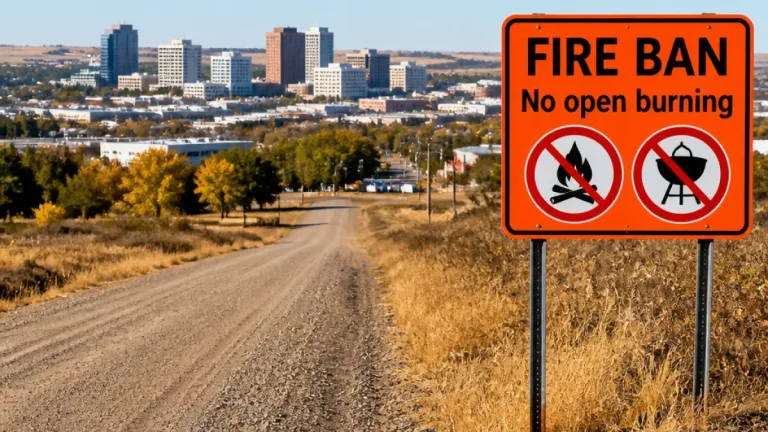
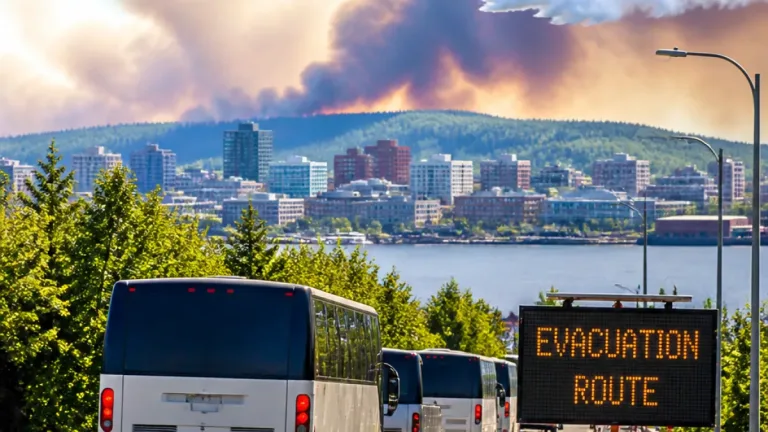
Officials urged residents to be diligent with fire safety and to follow instructions from local governments and emergency services. Practical measures include avoiding any open burning, keeping campfire and spark-producing activities under strict control, and staying ready to follow evacuation orders if conditions deteriorate.
| Area | Primary concern |
|---|---|
| Southern B.C. (near U.S. border) | Dry lightning risk; high winds |
| Vancouver Island / Lower Mainland / Southern Interior | Record-low stream flows; water restrictions possible |
| Okanagan | Noted record low stream flows; aquatic stress |
BC Wildfire Service and provincial agencies did not announce new province-wide orders at the news conference, but emphasised readiness and the possibility of escalated measures to protect water resources and wildlife should conditions worsen.
Residents should monitor local emergency channels and the BC Wildfire Service website for updates on fire activity, evacuation alerts and any new restrictions on water use imposed by municipal or provincial authorities.
This report is based on statements made by BC Wildfire Service and provincial officials at a Tuesday news conference and on a ministry release regarding drought impacts.