Evacuations widen as fire activity intensifies in the Northwest
Close to 200 wildfires are active across Northern Ontario, with 57 reported out of control, as communities brace for additional evacuations and prolonged smoke. Officials say the bulk of the activity is in the province’s Northwest Region, where a stretch of hot, dry weather has kept fuels receptive and firefighting conditions challenging. Recent rainfall has slowed some fire behaviour, but authorities caution that sustained precipitation is required to bring broader relief.
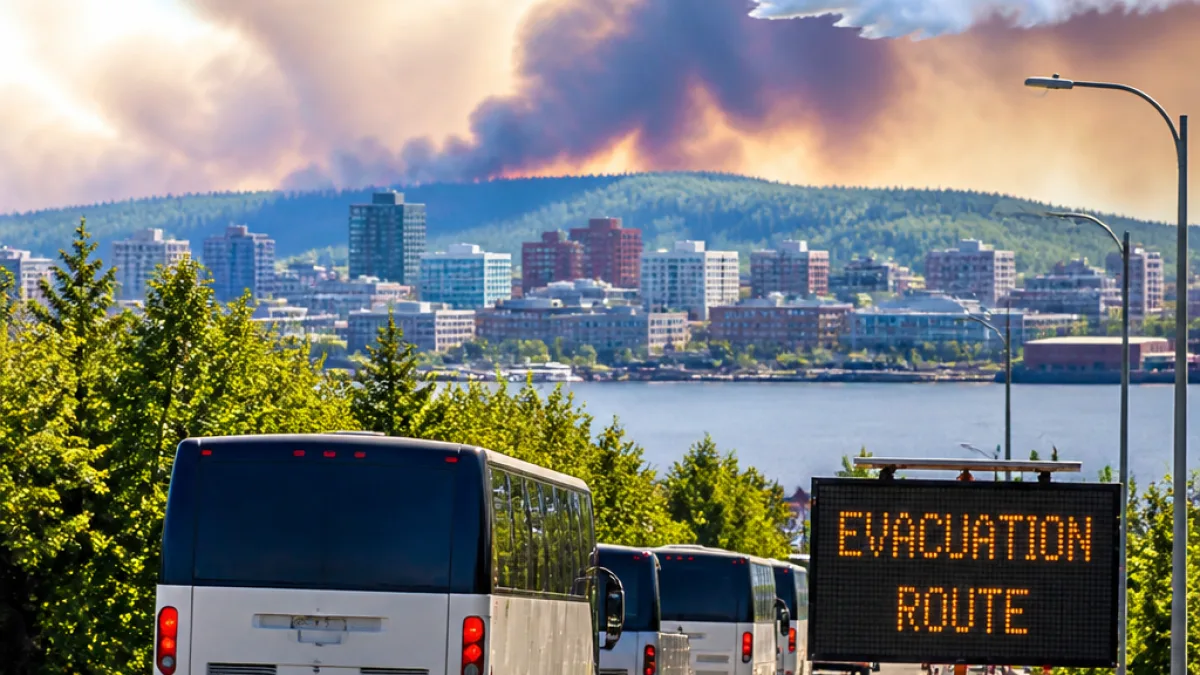
With accommodation options tightening in Thunder Bay, evacuation planning is shifting. Neskantaga First Nation has scheduled another evacuation flight for Monday, routing evacuees to Toronto to ensure access to shelter and supports amid limited hotel capacity near the Lakehead. Emergency crews continue to triage priorities, emphasizing protection of people, homes and key infrastructure across the region.
Communities report damage; bans and restrictions remain in place
Reports from affected areas underscore the scale of impact. Whitewater Lake First Nation has described widespread destruction, including damage to homes, personal belongings and essential infrastructure, deepening concern in remote communities that face lengthy travel distances and limited on-the-ground resources.
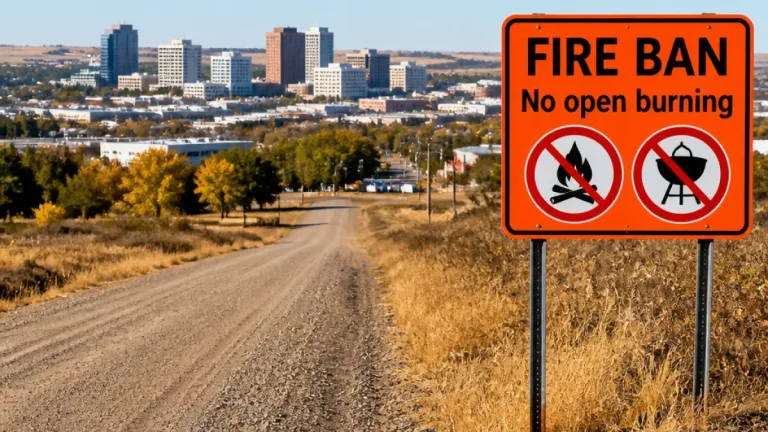
Restricted Fire Zones and open-air burning bans remain in effect across the northwest until further notice. Authorities are urging the public to strictly follow fire restrictions to avoid new ignitions at a time when suppression capacity is heavily committed. Smoke from the current fires is expected to fluctuate with wind and weather patterns, and officials warn that air quality could worsen at times as fire behaviour changes.
Capacity pressures in host communities
As more residents leave at-risk areas, the traditional hubs for evacuees are nearing their limits. Thunder Bay has reported limited hotel availability, prompting flights to larger centres with greater space for emergency lodging. Evacuation coordinators say moving people farther from the fire zone improves access to stable accommodation and specialized supports, but it can also extend travel times and complicate family reunification.
Officials continue to manage logistics for food, health care and basic supplies for evacuees and those sheltering in place. They note that while some blazes have moderated following recent rain, the overall situation remains dynamic and contingent on both weather and resource availability.
Operational focus: life, property and critical infrastructure
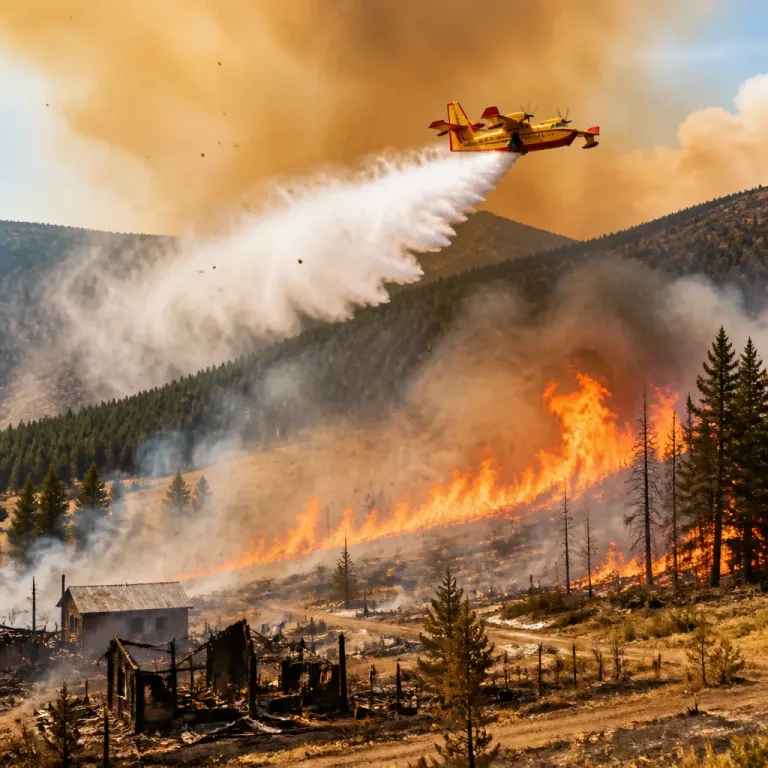
Frontline crews say their priorities are consistent across the fire line: safeguarding lives, protecting homes and community assets, and maintaining critical infrastructure such as power corridors, communications and transportation routes. Where conditions permit, suppression teams are deploying ground crews and heavy equipment, supported by aircraft when visibility allows. In many locations, smoke has hampered air operations and limited tactical options.
Residents in affected regions are being asked to remain ready to move on short notice if local authorities or band councils issue evacuation orders. In communities not under evacuation, outdoor burning remains prohibited, and the public is advised to avoid unnecessary travel near active fire zones.
What residents can do now
- Follow instructions from local authorities, First Nation leadership and emergency officials on evacuation timing and routes.
- Prepare essential items—identification, medications, chargers, basic supplies—in case of rapid evacuation.
- Limit exposure to smoke by staying indoors when conditions deteriorate; use clean indoor air spaces when available.
- Respect all Restricted Fire Zone measures and open-air burning bans to prevent new ignitions.
Current snapshot
| Indicator | Reported value | Notes |
|---|---|---|
| Active wildfires | ~200 | Across Northern Ontario |
| Out-of-control fires | 57 | Majority in the Northwest Region |
| Restrictions | In effect | Restricted Fire Zones; open-air burning bans |
| Evacuation routing | Ongoing | Neskantaga FN flight to Toronto; limited rooms in Thunder Bay |
Outlook remains uncertain
While pockets of rain have eased some fire activity, officials stress that the broader outlook remains uncertain without multi-day rainfall to lower fire danger. Communities are monitoring smoke, supply interruptions and approaching fire perimeters, and they may need to adapt quickly as conditions evolve.
Authorities say updates on evacuation logistics, fire restrictions and local air quality will continue to be shared through official channels. For now, crews are concentrating resources where threats to people and infrastructure are most acute, as Northern Ontario prepares for continued wildfire activity in the coming days.