Encounters trending down amid heightened concern
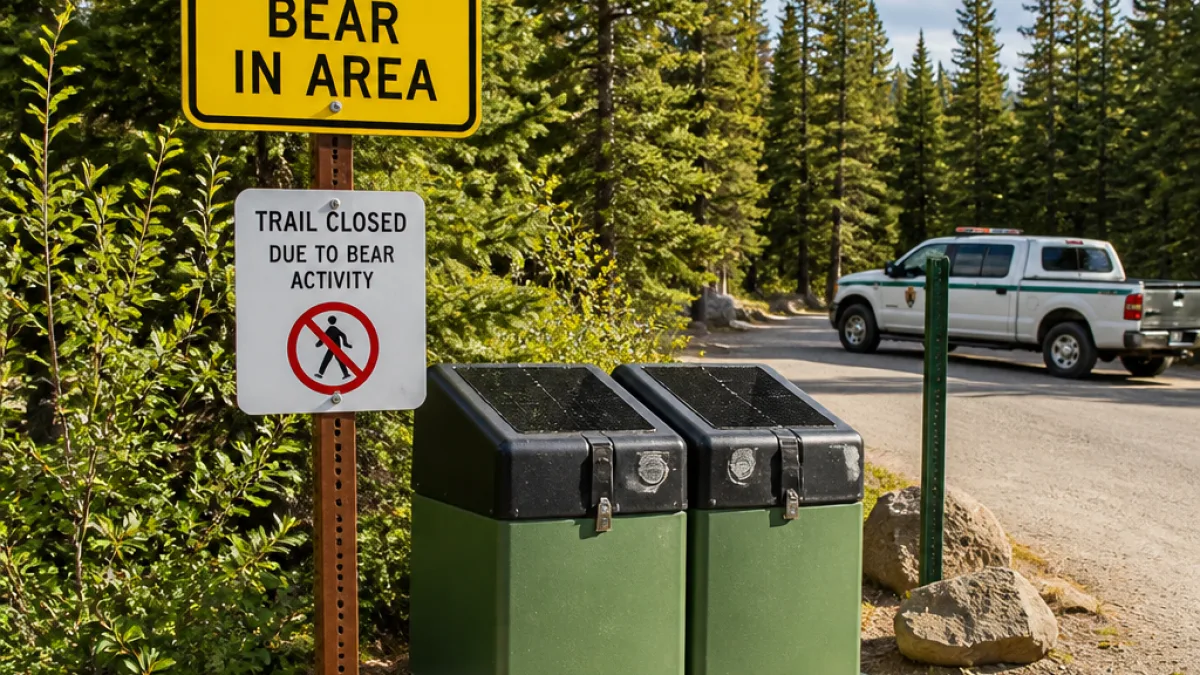
Bear-related activity in parts of northern Saskatchewan is tracking lower than last year, even as two fatal incidents in recent weeks have put communities and visitors on edge. Data from Prince Albert National Park and the La Ronge region show a decline in reported interactions and calls for service compared with the same period in 2023.
Tom Perry, acting resource conservation manager for Prince Albert National Park, said staff have logged 29 interactions with bears so far this year. At this time last year, that number stood at about 44. He told paNOW that activity appears to be tracking closer to norms seen over a longer period.
“Bear interactions are actually down from last year and more in line with long-term norms,” Perry said.
Perry’s comments came before a separate fatal event near McTavish Lake was confirmed this week, an incident that has sharpened attention on bear safety well beyond park boundaries.
La Ronge call volumes lower, interventions logged
In the La Ronge area, the Saskatchewan Ministry of Community Safety reports a notable drop in calls tied to bears. As of July 9, conservation officers had handled 82 calls, down from 133 recorded by June 10 last year. Those calls have led officers to deploy management tools when needed, including trapping and relocation, though some bears were ultimately euthanized when risks to the public could not be mitigated.
- 32 traps set
- 11 bears trapped
- 8 bears relocated
- 9 bears euthanized
The ministry says bears that have lost their fear of people or have become conditioned to human food can present an ongoing threat and are often not suitable candidates for relocation.
Recent fatalities underscore public safety risks
The province confirmed a bear was involved in the deaths of two people near McTavish Lake, roughly 90 kilometres north of La Ronge. The bear believed to be responsible for the deaths of Jay and Deb MacDonald on Wednesday was located and euthanized. Its remains were forwarded to the Western College of Veterinary Medicine for a necropsy, a standard step to assess the animal and inform follow-up actions. The reported figures above do not include that incident.
About two months earlier, a 27-year-old contractor died after an encounter with a black bear at a remote work site northeast of Points North Landing. While deadly attacks remain rare in Saskatchewan, the back-to-back fatalities have prompted fresh discussion about how communities, remote workplaces and park agencies manage human–wildlife interactions during the busiest outdoor months of the year.
Numbers at a glance
| Area | Measure | Current Year | Same Point Last Year |
|---|---|---|---|
| Prince Albert National Park | Bear interactions | 29 | ~44 |
| La Ronge area | Calls for service | 82 (as of July 9) | 133 (by June 10) |
Officials emphasize that overall bear activity this season, in these parts of the North, sits within expected ranges. Still, the recent tragedies have intensified public interest in prevention and response practices, including what happens when conservation officers determine an animal cannot be safely relocated.
Context for park visitors and northern residents
With peak summer use underway, the contrast between lower call volumes and high-profile incidents presents a complex picture. Lower numbers may reflect seasonal food availability, public reporting patterns or effective response to attractants in some areas. At the same time, the ministry’s reminder about habituated bears underscores the reality that a small number of animals can present disproportionate risk, especially in and around communities, camps and work sites.
For residents and visitors in northern Saskatchewan, the data provide a measure of reassurance that this year’s overall encounters are trending down compared with 2023. The two fatal incidents, however, are a sobering reminder of the need for vigilance and for consistent practices that reduce attractants and support timely reporting of bear activity. Agencies say they continue to respond, deploy traps when necessary and make case-by-case decisions about relocation or euthanasia when public safety is at stake.