About 4,400 WestJet flight attendants began a strike early Sunday, and the airline suspended all flights after talks with their union failed to produce a new collective agreement.
Immediate disruption for travellers and airports
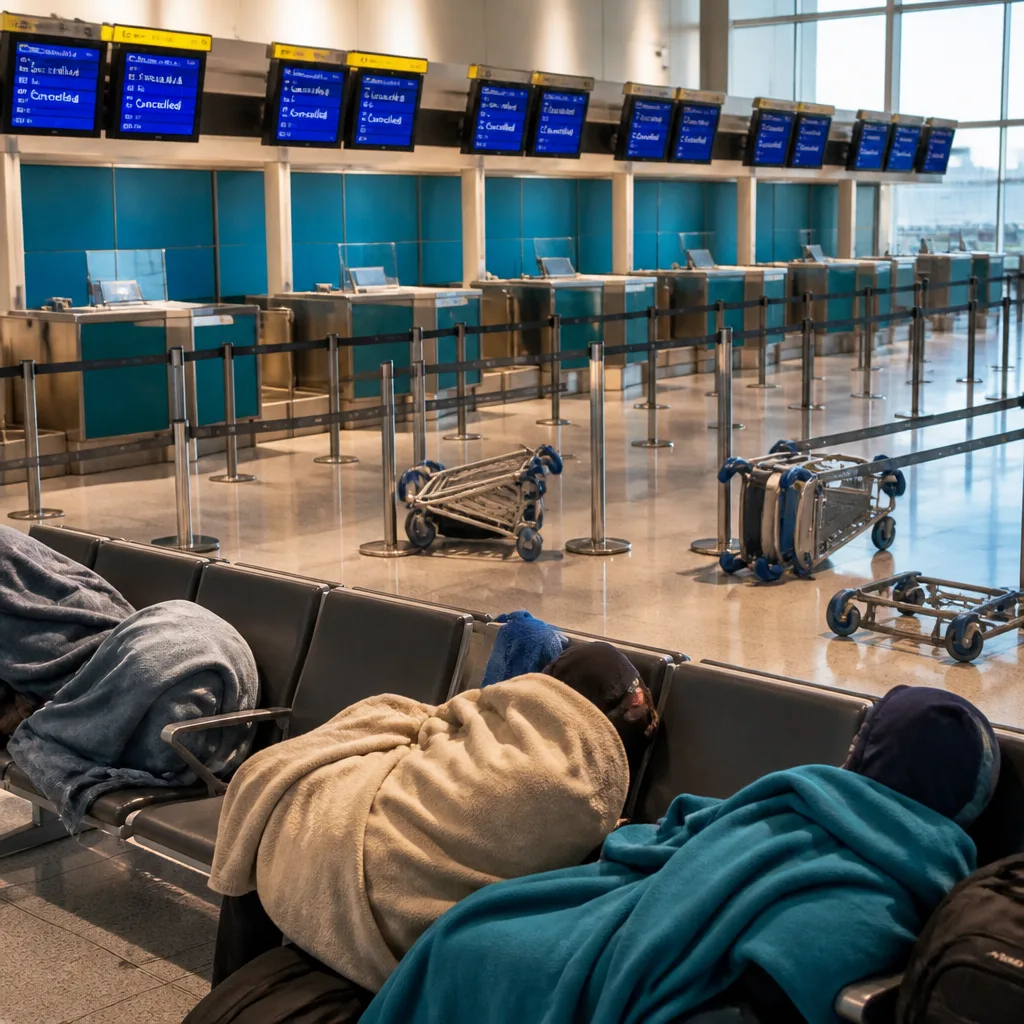
The walkout left passengers stranded at major airports, including Toronto Pearson, where check-in areas were largely empty even as travellers sought information. The airline said affected customers would receive refunds or be reaccommodated where possible. Some passengers reported sleeping in terminals while they waited for clarity on when they might resume travel.
- Workers involved: 4,400 flight attendants represented by CUPE’s WestJet Component.
- Service impact: All WestJet flights suspended as of early Sunday.
- Contract status: Talks broke down after a strike deadline; previous agreement expired Dec. 31, 2025.
What the carrier and union say
WestJet characterised the situation as regrettable, saying the dispute affects guests, employees and the communities the airline serves. The company asserted it had proposed a deal including an hourly rate to cover pre- and post-flight duties and a double-digit wage increase in the first year, measures it said addressed priorities raised by the union.
"We're disappointed to be here; this directly impacts the travel plans of our guests, our WestJetters and the communities and businesses we serve," said CEO Alexis von Hoensbroech.
The union said the airline’s most recent proposal was insufficient. CUPE local leadership stated members "deserve better" and signalled readiness to return to bargaining, while urging the federal government not to intervene and to allow collective bargaining to proceed.
Economic and household consequences
The stoppage comes during a busy summer travel period and carries immediate costs for households and businesses. Travellers may face unplanned accommodation, food and transportation expenses while itineraries are altered or cancelled. For commercial operations—hotels, restaurants, ground transport providers and retailers—reduced passenger flows at airports can mean lower sales and scheduling challenges for staff.
For the airline itself, a complete suspension of flights interrupts revenue generation and may increase costs for customer service, refunds and potential compensation. The dispute centres on wages and compensation for time spent on the ground, which have been key sticking points since the previous contract lapsed at the end of 2025.
| Item | Detail |
|---|---|
| Number of attendants | 4,400 |
| Last contract expired | Dec. 31, 2025 |
| Carrier response | Refunds and reaccommodation offered |
Outlook
Both parties reported willingness to return to bargaining, but the timing of any settlement remains uncertain. In the near term, households planning travel should expect delays and cancellations, and businesses tied to airport passenger volumes should prepare for lower demand until operations resume. The federal government's stance on intervention, at the union's request that it refrain, could influence the pace of resolution but, as of the latest statements, no government action had been announced.
As talks continue, the financial and operational ripple effects will be watched closely by investors, travel-sector businesses and governments monitoring the broader economic impact of the stoppage.