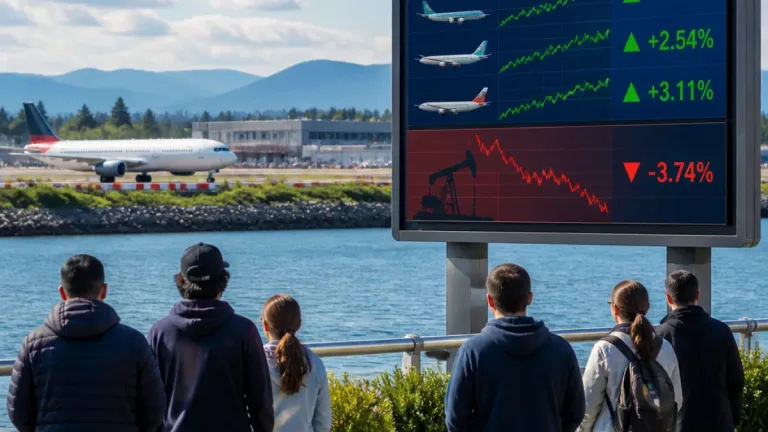
Delta Air Lines is adjusting its network and product mix by reducing lower-margin, price-sensitive services, expanding Premium Select cabins and implementing AI-driven pricing and operational tools. The moves, outlined in a market analysis and recent trading updates, aim to bolster profitability but carry local consequences for travellers and businesses that rely on air connections from the Vancouver and Pacific Northwest region.
What the changes are and why they matter
The airline’s strategy centres on three linked elements: pruning routes that generate weak margins, increasing capacity in higher-yield premium cabins and applying artificial intelligence to pricing and operations. Executives say the combination should sharpen margins and improve efficiency, but it also signals a greater focus on profitable long-haul and business-oriented traffic at the expense of lower-fare, leisure-driven services.
- Route reductions – cuts target price-sensitive markets that depress yields.
- Premium expansion – more Premium Select seating to capture higher fares per passenger.
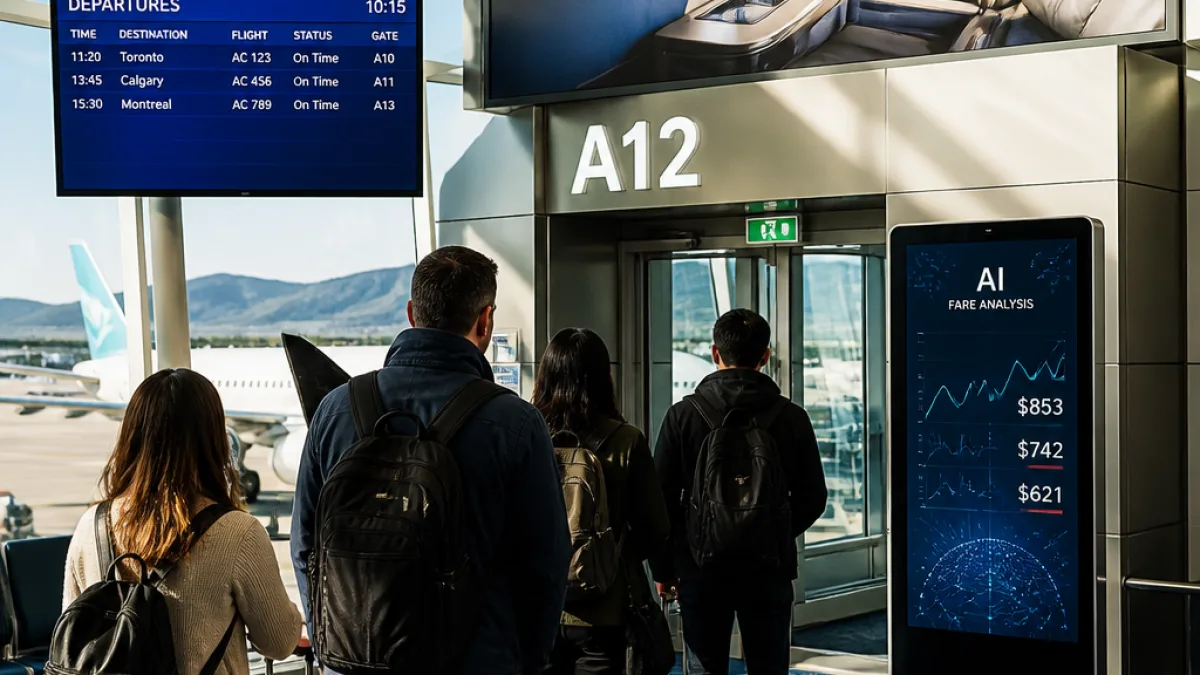
- AI deployment – dynamic pricing and operational tools intended to improve revenue management and efficiency.
For passengers in Delta, B.C., and the Lower Mainland, the practical effects could include fewer non-stop services on some thinner routes, fewer low-cost seat options on certain transborder or domestic sectors, and an increased share of premium-seat inventory. That shift may benefit business travellers seeking greater comfort and flexibility, while leisure travellers could face higher fares or more connections.
Market reaction and financial context
Investors have responded unevenly. At a reported last close of $82.41 (US), Delta’s short-term share performance showed downward pressure, with a seven-day return of -7.77% and a 30-day return of -3.12%. Over longer horizons, the carrier has posted stronger returns: a year-to-date gain of 19.33% and a one-year total shareholder return of 35.05%.
| Metric | Value |
|---|---|
| Last close (US) | $82.41 |
| 7-day return | -7.77% |
| 30-day return | -3.12% |
| Year-to-date return | 19.33% |
| 1-year TSR | 35.05% |
"Delta Air Lines has reshaped its route map and leaned into premium cabins and AI tools, yet the stock has already climbed strongly over the past year," reads the market analysis.
Analysts flagged a valuation debate: one commonly cited framework in the analysis placed a notional fair value at $63.21 (US), implying the market price carried a premium under that model. That gap reflects differing assumptions about how long record-level profitability can persist and what margins are sustainable in a competitive, low-margin industry.
Local implications and unanswered questions
Several practical considerations matter to Delta residents. First, route cuts tend to be concentrated where aircraft utilisation and yields are weakest; if similar adjustments affect transborder or regional flights from Vancouver, travellers could see reduced frequency or removed services. Second, expanding Premium Select means more middle-tier premium inventory on routes that support it — a benefit for corporate travellers but not a direct offset for leisure passengers facing higher prices. Third, the deployment of AI for pricing raises questions about fare transparency and the speed at which prices may fluctuate.
Delta’s own quarterly trading update reportedly outperformed analysts both on top and bottom lines, signalling the carrier’s operational strength even as it repositions. Local airports, travel agencies and frequent flyers will watch closely for announcements on specific route changes or seat-configuration plans that could affect bookings out of the Lower Mainland.
For travellers and municipal decision-makers in Delta, the evolving strategy underscores the need to monitor carrier announcements and to engage with regional airport authorities to protect connectivity that supports local business and tourism.
As the airline proceeds with its premium and AI initiatives, the balance between profitability and service breadth will determine how residents of Delta experience the changes—through fares, schedules and non-stop accessibility to U.S. and long-haul destinations.