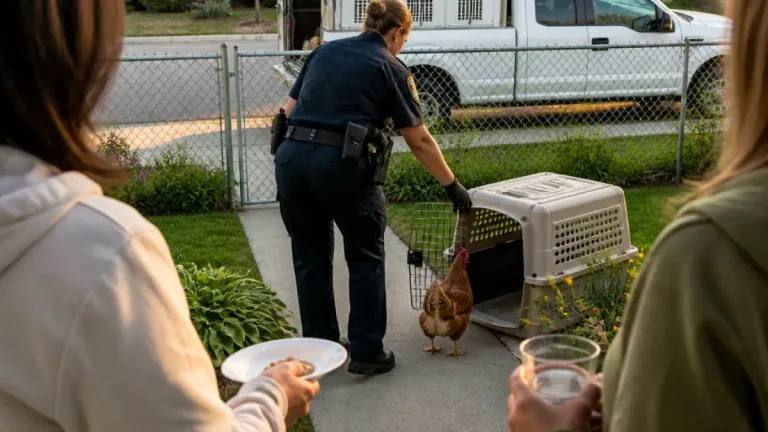
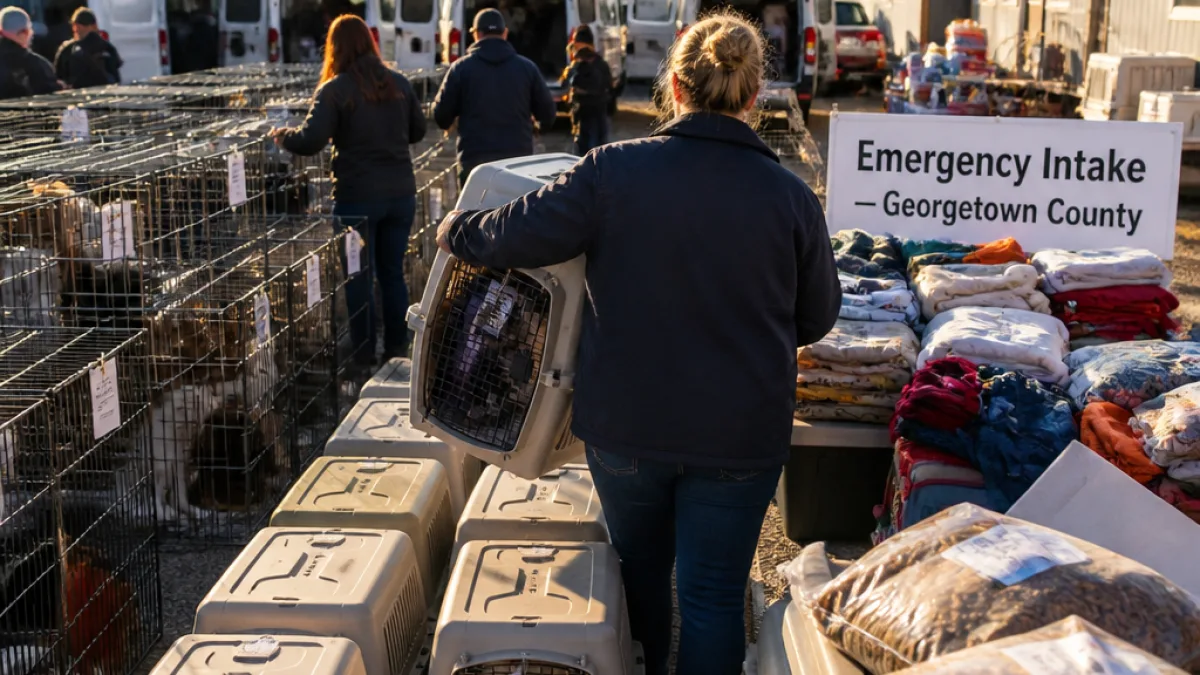
More than 100 dogs and 11 cats were taken into care after deputies executed a search warrant at a home in Georgetown County, South Carolina, where investigators say they also discovered the remains of more than 125 dead animals. Two people were arrested in connection with the case and face multiple charges including animal abandonment, ill treatment and improper burial of dead animals.
Arrests and charges
The Georgetown County Sheriff's Office identified the suspects as Ralph Moody and Kimberly Moody. Court records show the pair were held briefly and released on combined bonds of about US$37,000. The sheriff's office statement and local reporting describe the scene as a "horrific" example of alleged animal cruelty.
Immediate impact on shelters
The number of animals removed from the property quickly overwhelmed the local shelter system. St. Frances Animal Center — one of the organisations responding — reached nearly 300 per cent of capacity caring for animals from the seizure, prompting other organisations across South Carolina to take in animals.
- Lucky Dog Animal Rescue in Florence accepted 18 dogs and 13 cats from St. Frances.
- Staff and volunteers from multiple rescues coordinated transfers as space became available.
- Local officials and rescue leaders described the case as a typical escalation of hoarding situations.
How experts describe hoarding cases
Mirah Horowitz, founder and CEO of Lucky Dog Animal Rescue, told reporters many hoarding situations begin with good intentions and then spiral out of control — especially where animals are not spayed or neutered and reproduce. Mindy Tiner, executive director of St. Frances Animal Center, said staff had noticed unusual animal activity near the shelter in the days leading up to the seizure.
“I truly believe most hoarding situations start because someone thinks they're doing a good thing, and then they get into a situation where they can't stop it,” said Horowitz.
Numbers and logistics
The incident report and local coverage provided the following figures:
| Item | Number reported |
|---|---|
| Living dogs | More than 100 |
| Living cats | 11 |
| Remains of dead animals | More than 125 |
| Combined bonds | About US$37,000 |
Local media coverage notes that the sheer number of animals required coordination among shelters and rescues across the region. The transfers were described as urgent and complex because shelters were already operating near capacity.
What Georgetown, Ontario residents should know
While this case took place in South Carolina's Georgetown County, the situation underscores challenges faced by animal-welfare services everywhere: sudden large intakes can overwhelm municipal shelters, requiring mutual aid from other organisations and posing animal-health and logistical concerns. For residents in Georgetown and the surrounding region, the case is a reminder of the importance of routine spay/neuter programs, reporting suspected neglect early, and supporting local shelters that manage capacity and emergency responses.