If you choose to serve in the U.S. military, you should also be able to choose the best education for your children.
If you choose to serve in the U.S. military, you should also be able to choose the best education for your children.
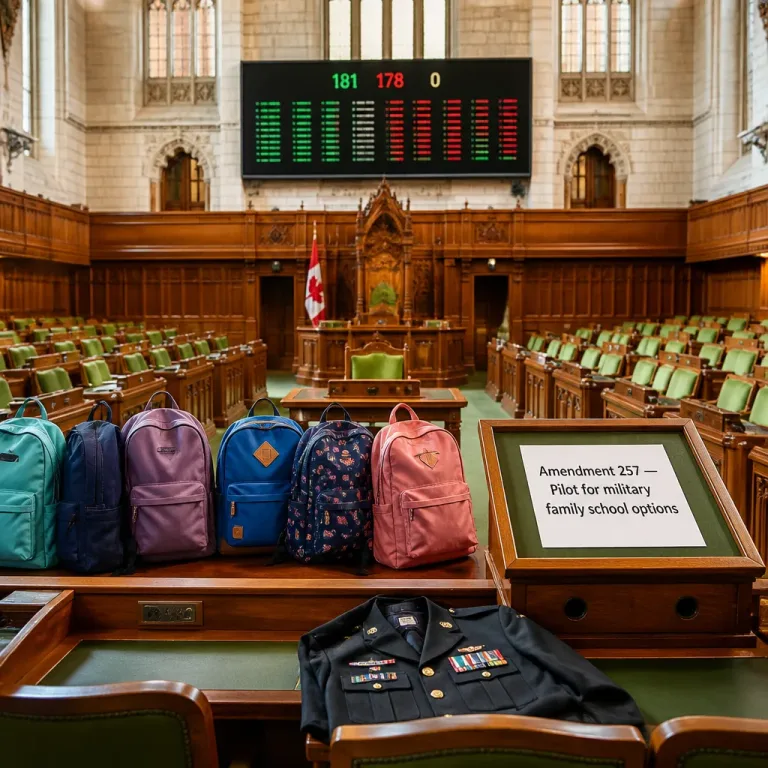
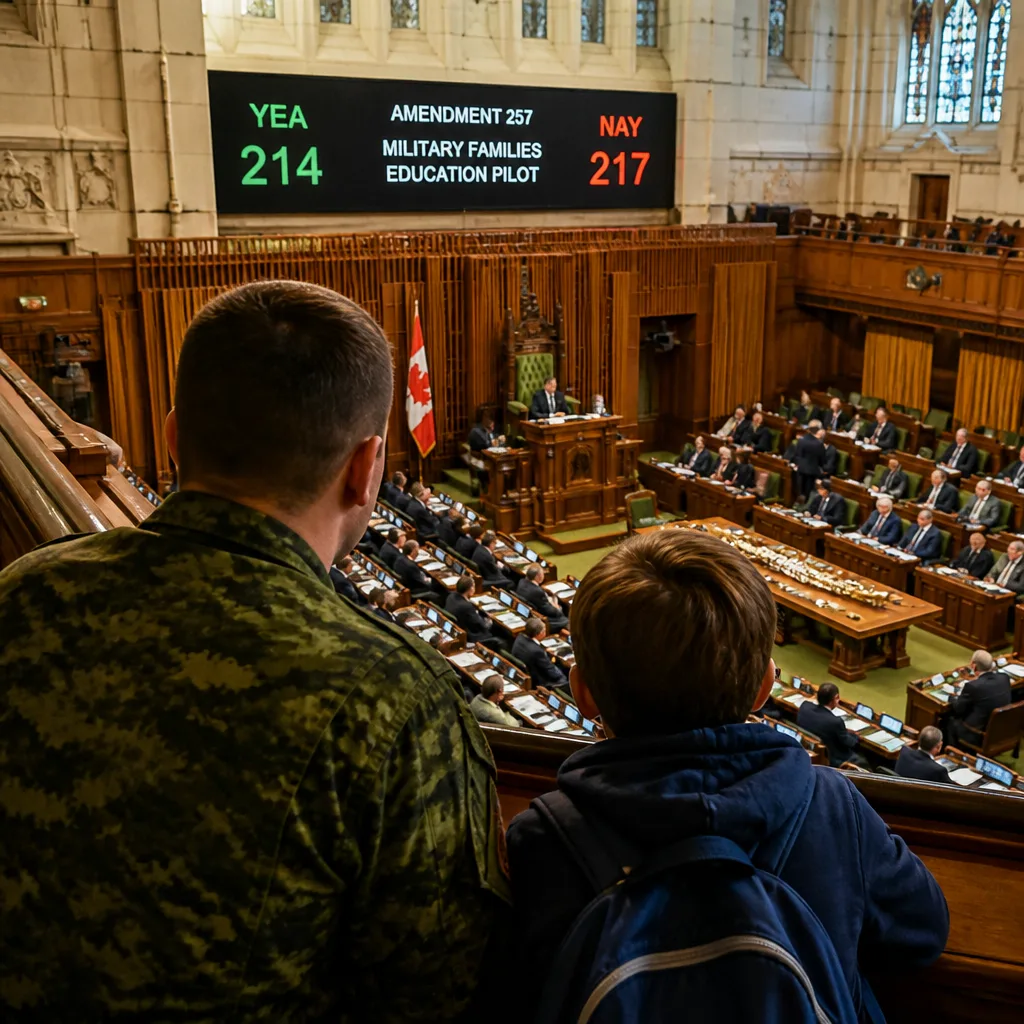
A proposal to establish a federal pilot program that would offer financial support to servicemembers seeking alternatives to local public schools narrowly failed to become part of the 2027 National Defense Authorization Act (NDAA). The amendment — numbered 257 — had the backing of 214 House members but missed passage by three votes.
What the amendment would have done
The amendment, advanced by Rep. Addison McDowell (R-N.C.), aimed to create a pilot fund allowing military parents to receive assistance to choose from a range of education settings for their children, including private schools, charter schools, and homeschooling. While not a full Education Savings Account (ESA), the pilot would have represented a step toward expanded education options for families who frequently relocate or face deployments.
- Scope: A pilot to provide financial assistance to military families for alternative schooling choices.
- Options covered: Private schools, charter schools, homeschooling and other educational options.
- Not included: A true ESA allowing unused funds to roll over for future costs such as college or workforce training.
Context and reported support
Advocates argue the measure responds to unique challenges military families face, including frequent relocations and deployments that can disrupt a child’s schooling. The source material notes that when military parents are polled about education savings accounts, 74% express support for implementation, and many indicate their children receive paid tutoring — a cost that pilot assistance could have helped cover.
| Figure | Reported value |
|---|---|
| Children with access to some form of school choice (U.S.) | Nearly 22 million (about 40% of K–12 students) |
| House members who approved Amendment 257 | 214 |
| Shortfall | 3 votes |
| Reported support among military parents for ESAs | 74% |
Immediate consequences and next steps
Because the amendment did not clear the House as part of the NDAA, the pilot will not be enacted through this legislative vehicle. Supporters had pointed to a related executive action: the source notes that President Donald Trump signed an executive order last year endorsing a policy along these lines. However, an executive order cannot establish the same statutory programme structure or funding mechanism a congressional pilot might have provided.
For military families, the narrow defeat means the status quo remains in place: access to non-public options depends on state programmes, local policies and individual family finances. Legislators who supported the amendment may seek similar language in future defence bills, separate education legislation, or attach provisions to other must-pass measures. Opponents who opposed the amendment have not been quoted in the source material.
What parents and service members should watch
- Whether supporters reintroduce similar amendments in subsequent NDAA drafts or other congressional vehicles.
- State-level developments: some school-choice options are controlled at the state level and can expand independently of federal action.
- Any administrative steps from the White House or Department of Defence clarifying support for family education options after the amendment’s defeat.
The narrow margin underscores the contentious nature of using federal defence legislation to pursue education policy changes. For military parents planning for their children’s education, the result leaves federal assistance uncertain and highlights the importance of understanding both federal and state avenues for alternative schooling support.