Lightning turns quiet season into fast-moving emergency
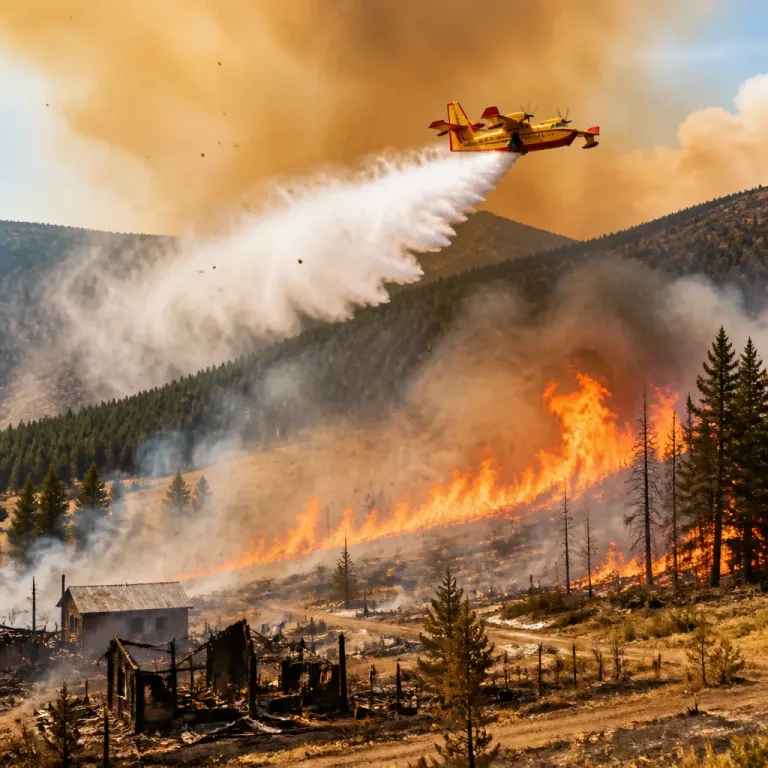
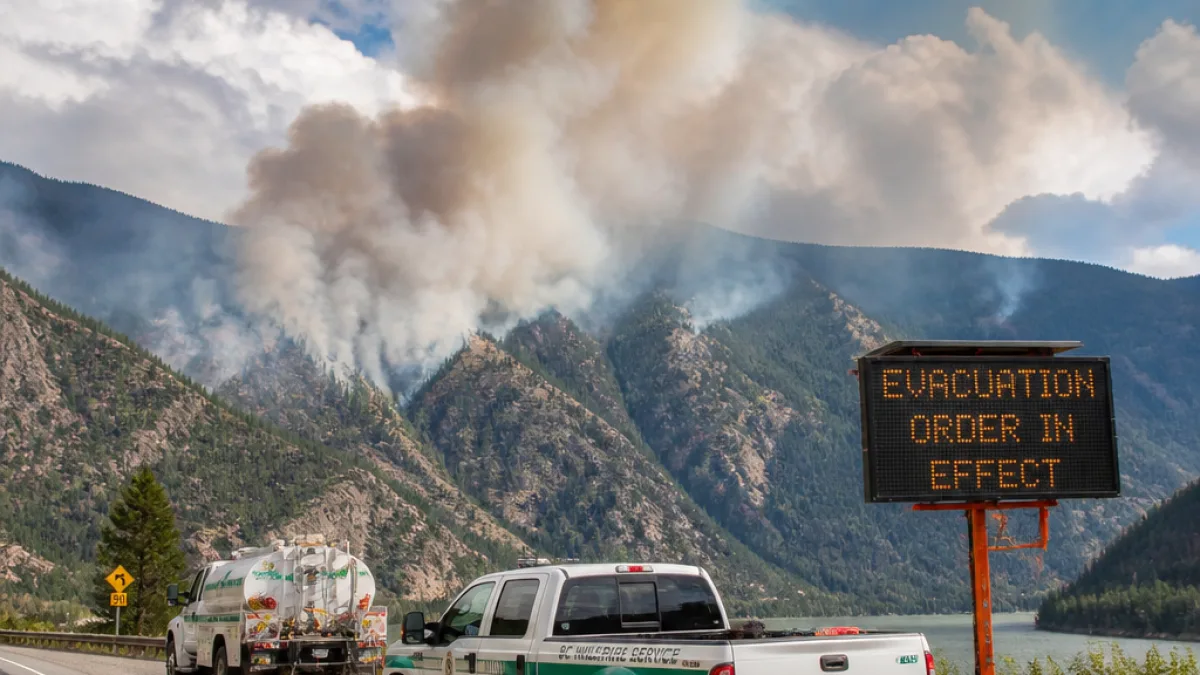
British Columbia’s wildfire season shifted abruptly this week as an intense lightning episode ignited dozens of new blazes, sending the province’s active wildfire tally past 100 and expanding evacuation measures in the southern Interior. By Saturday afternoon, the BC Wildfire Service reported about 114 fires burning, with roughly 72 of them starting in the previous 24 hours. The agency said a majority of the new ignitions were linked to approximately 4,000 lightning strikes recorded on Wednesday.
Conditions improved modestly in some areas with cooler temperatures, higher humidity and lighter winds helping firefighters gain ground, according to a village update referenced by authorities. But forecasters and fire officials warned of a warming and drying trend through next week that could reverse recent gains and fuel additional fire starts.
Evacuations and alerts grow as fires spread
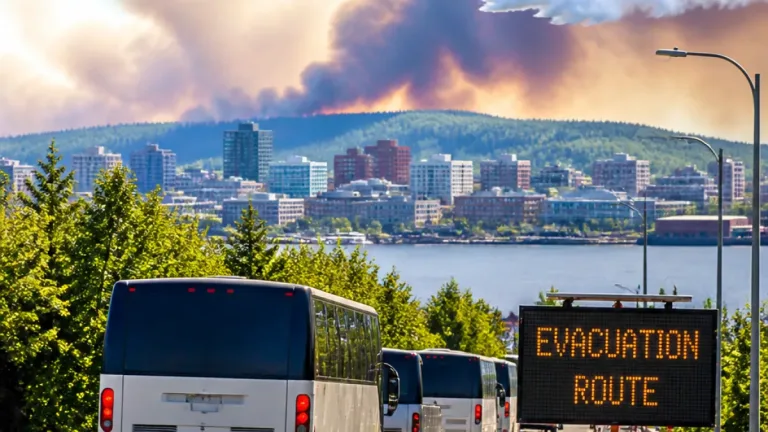
Emergency officials said about 575 properties across B.C. were under evacuation orders, with another 1,740 properties on alert. As of the latest update, roughly 399 people were receiving emergency support services. The BC Wildfire Service indicated that about two-thirds of active fires were classified as out of control, with most new incidents, evacuation orders and alerts concentrated in the southern Interior.
Among the notable incidents this weekend is the Signal Hill wildfire, which local officials said had been tempered by Friday’s cooler, more humid weather before the forecasted hot, dry pattern returns. In the Fraser Canyon community of Boston Bar, residents were ordered to leave as crews battled the nearby Brunswick Creek and Ainslie Creek wildfires—measured at 40 and 160 square kilometres, respectively.
Residents weigh risk, community resilience
Despite the evacuation order in Boston Bar, some chose to remain behind to protect property and care for animals. One resident, who stayed to look after two businesses and 12 chickens while his family left earlier in the week, described a tense calm in the community.
“It depends on the person, but the people who have stayed behind are in good spirits,” he said, noting conditions were “nice and quiet” and he could hear birds chirping.
Another resident captured the strain facing those hosting neighbours and travellers displaced by the fires, emphasizing a duty to stay as long as others needed shelter.
“I’m the last one who can leave the ship,” she said. “I’m captain of my place and unless all my guests are out of the house, I wouldn’t be leaving, and even if they were out, I would probably still not be leaving.”
What to know now
- Officials caution that more lightning is possible in the coming days, raising the risk of additional starts.
- Evacuation alerts mean residents should be ready to leave at short notice; orders require immediate departure.
- Those who have left their homes under order are encouraged to register for emergency support services to access lodging and basic supplies.
While some communities reported a brief window of favourable weather aiding suppression, fire managers stressed that the expected heat and low humidity next week could accelerate fire growth, increase smoke and complicate ground and air operations.
By the numbers
| Indicator | Latest figure |
|---|---|
| Active wildfires (Sat. afternoon) | ~114 |
| New fires in prior 24 hours | ~72 |
| Lightning strikes (Wed.) | ~4,000 |
| Fires out of control | ~two-thirds |
| Properties on evacuation order | ~575 |
| Properties on evacuation alert | ~1,740 |
| People receiving emergency support | ~399 |
| Brunswick Creek fire size | ~40 km² |
| Ainslie Creek fire size | ~160 km² |
What residents can do
Authorities urge residents under alert to prepare essential items, medications and important documents, arrange transportation, plan for pets and livestock, and monitor official channels for updates. Those in areas affected by smoke should consider limiting strenuous outdoor activities and check on vulnerable neighbours.
As the province enters a warmer, drier stretch, fire officials say vigilance will be critical. With resources stretched by the sudden spike in incidents, compliance with evacuation directions and early preparation can reduce risk to people and support crews working to protect communities.