Lightning turns a quiet season volatile
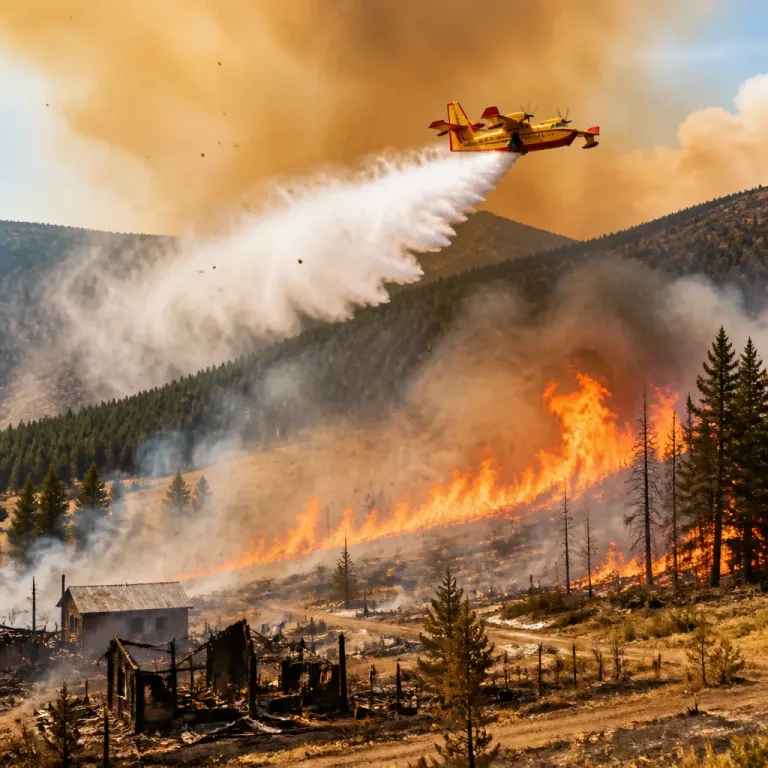
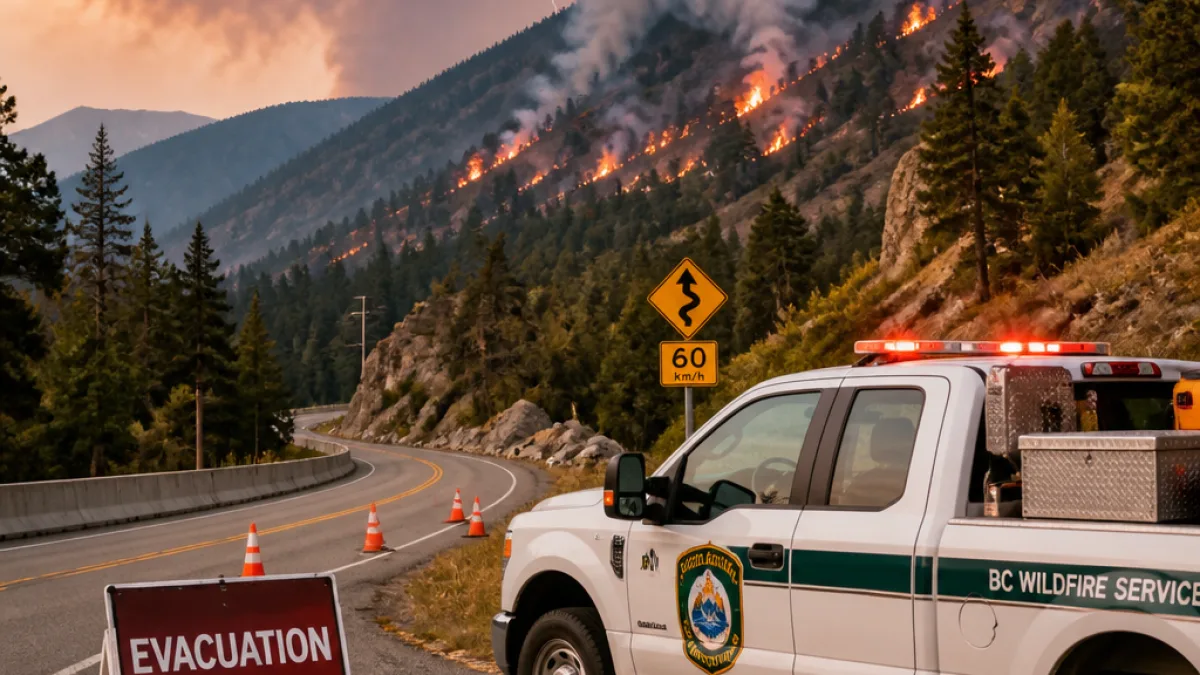
A sudden wave of thunderstorms has upended what had been a subdued wildfire season in British Columbia, pushing the province’s active blaze count past 100 and prompting evacuation orders and alerts across parts of the southern Interior. Within days, conditions swung from relatively calm to precarious as lightning seeded dozens of new starts and crews scrambled to keep pace.
According to the BC Wildfire Service, about 4,000 lightning strikes hit the province on Wednesday. Just days earlier, firefighters were tracking roughly 20 blazes. By Saturday afternoon, they were contending with about 114 wildfires, including roughly 72 that ignited within the previous 24 hours. The agency said about two-thirds of the active fires were classified as out of control, with most new starts — and the resulting evacuation orders and alerts — concentrated in the southern B.C. Interior.
Communities under pressure in the Fraser Canyon
In the Fraser Canyon, the community of Boston Bar has been under an evacuation order since Thursday, as nearby fires continued to expand. The Brunswick Creek wildfire was estimated at 40 square kilometres, while the Ainslie Creek blaze had grown to about 160 square kilometres. Despite the order, some residents have stayed behind to safeguard property and animals, while essential services continue operating to support emergency responders.
One resident described a determination to remain on site even as others left for safety.
“I’m the last one who can leave the ship,” she said in an interview. “I’m captain of my place and unless all my guests are out of the house, I wouldn’t be leaving, and even if they were out, I would probably still not be leaving,” she said.
Another resident, Attila Banhegyi of Boston Bar, said he chose to stay to look after two local businesses and animals, including 12 chickens, after his family evacuated earlier. He noted that a local motel was hosting firefighting crews, while the restaurant and gas station remained open to support operations.
Evacuations, alerts and emergency supports
As of the latest figures shared by the BC Wildfire Service, roughly 575 properties across B.C. were under evacuation orders, with about 1,740 more on alert. Around 399 people were accessing emergency support services.
| Measure | Latest figure |
|---|---|
| Active wildfires | ~114 |
| New fires (past 24 hours) | ~72 |
| Out of control | ~2/3 of active fires |
| Evacuation orders | ~575 properties |
| Evacuation alerts | ~1,740 properties |
| People using ESS | ~399 |
| Lightning strikes (Wed.) | ~4,000 |
Conditions remain in flux. While cooler temperatures, higher humidity and lighter winds helped subdue at least one high-profile fire — an update from a village near the Signal Hill blaze cited modest improvements — forecasters and fire officials warned the province is entering a warmer, drier stretch into next week. The BC Wildfire Service cautioned that additional lightning is possible, which could trigger more starts as fuels dry.
What residents should watch for
Authorities emphasize that evacuation orders and alerts can change quickly in unstable weather. People in affected areas should monitor verified channels and be ready to leave if directed by local emergency officials. Those under alert are encouraged to prepare essentials, plan travel routes and make arrangements for pets and livestock.
- Track official updates from the BC Wildfire Service and local governments for order/alert changes.
- Keep go-bags ready with medications, identification, chargers and basic supplies.
- If you see new fire activity, report it promptly to authorities and avoid obstructing crews.
Crews brace for a challenging week ahead
With most of the new activity clustered in the Interior, firefighting resources remain stretched across multiple incidents. Motels and community facilities are being used to accommodate crews as they rotate through long shifts in fast-changing conditions. Officials say the combination of heat, drying fuels and more thunderstorms could sustain elevated fire behaviour in the days ahead.
The pace of new ignitions this week underscores how rapidly risk can escalate when lightning interacts with cured grasses and forest fuels. Provincial agencies continue to urge caution with any activity that could spark additional fires and to heed instructions from emergency managers if orders are issued. As the pattern trends warmer and drier, crews and communities are preparing for another difficult stretch of the season.