Sudden escalation after lightning storm
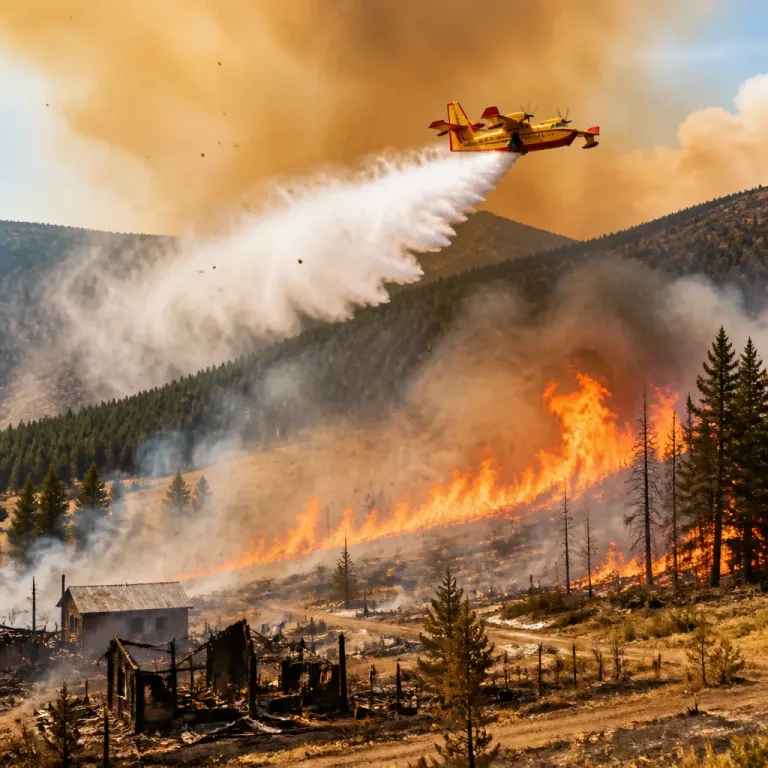
A rapid burst of lightning has dramatically shifted British Columbia’s wildfire season from quiet to volatile within days, sending the number of active fires soaring past 100. Provincial crews were tracking roughly 20 blazes mid-week; by Saturday morning, about 115 fires were burning, with approximately 77 reported in the previous 24 hours. Authorities say around two-thirds of the active incidents are not yet contained, with the bulk of new activity, alerts and evacuation orders in the southern Interior.
| Indicator | Current status |
|---|---|
| Total active wildfires | ~115 |
| New in last 24 hours | ~77 |
| Fires out of control | ~2/3 of active |
| Regional focus | Southern B.C. Interior |
Fraser Canyon at the forefront
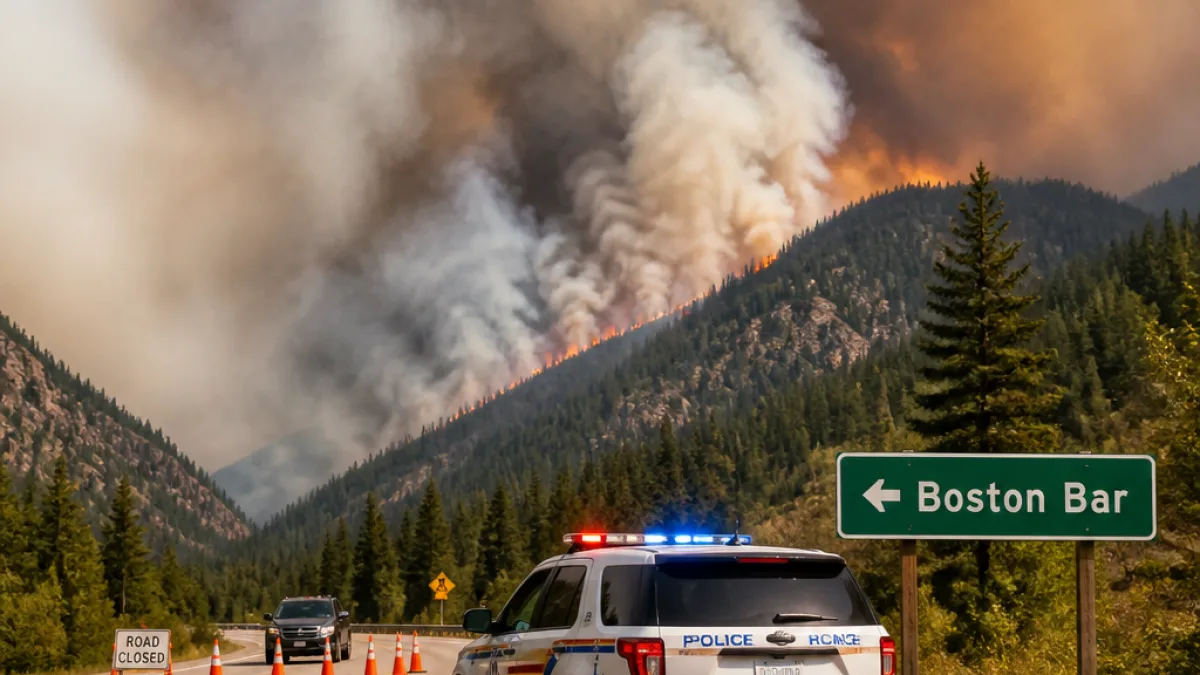
The fast-moving situation is acutely felt in the Fraser Canyon, where the community of Boston Bar is under an evacuation order. Two large nearby fires — the Brunswick Creek blaze (about 40 square kilometres) and the Ainslie Creek fire (about 160 square kilometres) — have added to local urgency. Despite the order, some residents have opted to remain in place to manage businesses, property and animals, while indicating they are prepared to leave if conditions worsen.
Attila Banhegyi, who chose to stay behind in Boston Bar, said a portion of the town has remained and that some services continue to operate to support both residents and incoming crews.
“It depends on the person, but the people who have stayed behind are in good spirits,” he said. “We have grown to be self-sufficient in many aspects.”
Banhegyi added that his family evacuated ahead of the order, and he is ready to depart if the situation demands.
“She trusts me, and knows that I will be safe,” he said of his wife, who left with their children.
Swift shift from a quiet start
Until this spike, British Columbia had been experiencing a comparatively subdued wildfire period. The latest lightning storms have changed that trajectory in a matter of days, generating dozens of new starts on dry fuels and pushing suppression resources toward the Interior. Most of the recent orders and alerts are clustered in that region, underscoring how quickly conditions can pivot when weather and fuel align.
Local operations and community resilience
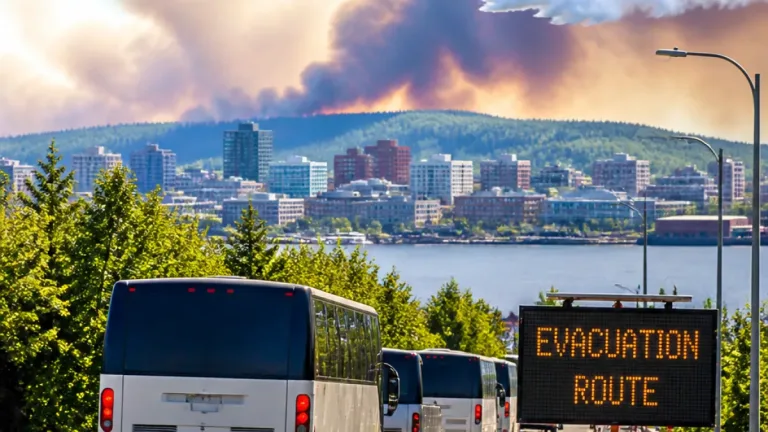
In Boston Bar, residents report that the local restaurant and gas station remain open, while a motel is hosting firefighting crews. While these services help sustain those who stayed, officials broadly caution that remaining in evacuated zones can complicate emergency response and put people at risk if fire behaviour changes suddenly.
Residents who choose to stay in evacuation areas often cite the need to protect livelihoods, manage livestock and safeguard property. In remote communities, these pressures are especially acute. Still, prevailing guidance from emergency agencies is to comply with evacuation orders so resources can focus on suppression, structure protection and critical logistics.
What residents should monitor
- Check official wildfire and emergency channels frequently for updated evacuation orders and alerts.
- Prepare a go-bag with essentials, prescriptions, documents and chargers; ensure vehicles have fuel.
- Be ready to leave promptly if conditions deteriorate; smoke, shifting winds and ember cast can rapidly change hazards.
As fire weather persists, communities across the southern Interior — and those along transport corridors in the Canyon — face ongoing uncertainty. The emphasis remains on situational awareness, personal readiness and deference to official direction as fire activity evolves day by day.